

Allergies come and go and sometimes they’re not really specific. Many people suffer from allergies and they’re not really sure what causes it. Most allergies are actually related to the air around you. Improving air quality in your home can give you the best control over your allergy flare ups.

Use these following tips to improve air quality anywhere, not just your home.
1. Circulate Air
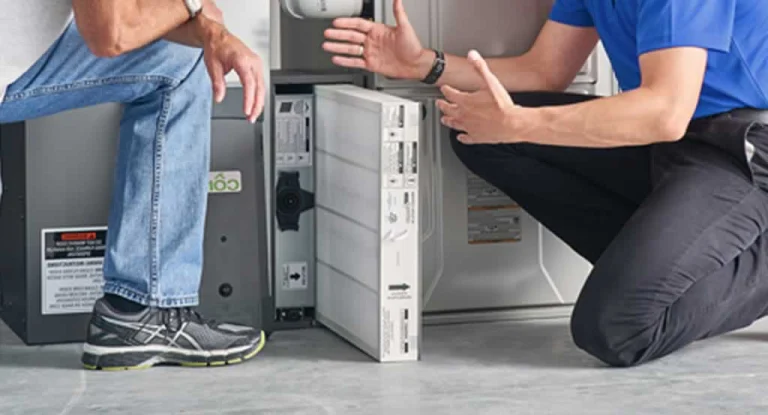
Air flow is a good way to improve air; it can be done by simply opening doors and windows as it will refresh the air that you are breathing. If you live in the city, try to open the windows early in the morning or whatever time it is not crowded. And for the best results, try to fix a ventilation system with filters, that will help clean up the city air.
2. Humidifier
This home appliance comes in different brands and sizes, and it works on increasing humidity level of dry air. Dry air can cause a sore throat, dry sinus, cracked lips, and a bloody nose. When I was a teenager, I often had allergies and didn’t treat them. Now that I am an adult with children, I noticed they, too, have allergies. Getting a humidifier worked wonders for my symptoms by reducing sneezing and soothing a sore throat in the morning. All you have to do is fill its tank with water and turn it on. When choosing one, purchase an air tester kit also to make sure of the right humidity level in your home.
3. Fresh Floors
Dust and make sure your floors, tables, walls are cleaned day after day, try using natural products to wipe those floors and decrease toxins.
4. Clean Air Conditioners
Air conditioner filters are considered good ventilating system too. They also have the most hidden dust in the house. Try cleaning them once a week with water or a vacuum – whichever fits the manufacturer guidelines.

5. Carpets
Know more about your carpet, what it is made of, and how to clean it. Carpets tend to absorb dust along with allergens and pollutants. You need to vacuum carpets regularly and use professional cleaning services once every couple of months. Have a look at your vacuum filter too, and clean it after each use.
6. Furniture
Understand your furniture’s material and finishes as many finishes are toxic. You can’t really smell toxins in the air, but imagine your furniture as a candle, it will keep emitting toxins all day. Water-based and kid-friendly finishes are best for your house furniture.
Indoor air quality is as important as outdoor quality. You can’t remove the indoor pollution but you can surely improve it. Most toxins and allergy initiators are odorless gases and chemicals. They can cause health issues like headaches, sinus and eye irritation, unexplained allergies, and fatigue. On the long term, certain types of indoor pollution can complicate health issues and cause diseases. You cannot know what’s flaring your asthma or cause you distress in your environment. So start using these tips even if you don’t complain, it will do you and your family members good for sure.




Thank you for taking the time and writing this post. Great help for me!