
Clean and fresh air is a necessity in all houses. One has to go an extra mile to achieve this clean air. This is because polluted air is a hazard to human health. It causes infections of the respiratory system as well as allergies. All efforts to achieve clean air are geared towards efficient ventilation methods. To achieve a good ventilation system especially in hot, cold and humid areas is a big challenge. Bearing this in mind, HVAC systems have become a vital component in every home.

However, the HVAC systems contribute to more than 50% of the energy consumed in the home. For this reason, it is necessary to look at some ways of saving energy used by your HVAC system while still achieving clean air.
Replacing old HVAC system with modern HVAC system
The modern heating and cooling systems are made in a way that they are energy efficient, thanks to the IoT’s influence on the HVAC industry. The modern systems are made in such a way that you can control them even remotely using your smartphone. This ensures that you can know when to switch on or off or even when they are not working efficiently. Therefore, you can control their energy usage as well as making sure you having clean air always. If you need some tips for choosing a new air conditioner you can check out our Air conditioner buying guide.
Checking and cleaning HVAC system more often
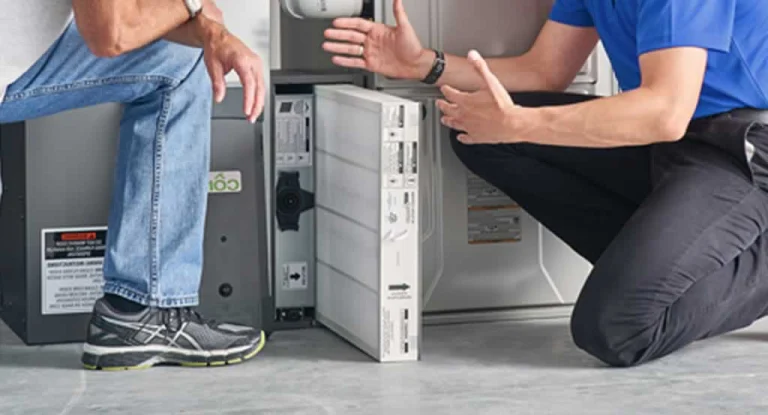
For your air conditioner to work efficiently it requires proper cleaning. This can be done more often to reduce mold and dust build up. Cleaning also ensures there are no leaks that might consume energy unnecessarily. It is advisable to seek the services of a professional cleaner. These people are trained and therefore they can thoroughly clean each part of your HVAC and repair it, if necessary. This ensures you get clean air as well as efficient use of energy. If you want to perform more often cleaning of your HVAC system then you can check our DIY air conditioner maintenance guide.
Energy recovery ventilators (ERV)
This is an energy efficiency boosting system designed to help you HVAC avoid consuming a lot of energy. The system works by using the energy created by the air that was expelled by your HVAC. During the summer the ERV system cools and dehumidify the house while the vice versa happens in the winter. That means the ERV system provides heated or cooled air allowing the HVAC to cool or heat-up respectively. This makes it possible for the HVAC to save energy since the two system works in turns. An example of modern HVAC system fitted with ERV includes UFAD systems by AirFixture which saves upon to 30% energy.

Sealing your house tightly
A tightly sealed house does not only keep cooled air but humidity as well during summer. During winter the sealed house can also keep warm air inside. This can give you a chance to switch off your HVAC to avoid overworking it. Also, when a house is sealed and you turn on you aircon, all the foul air, fur from pets, dust from your shoes and pollen will escape and will not find a way back to your house, leaving the air clean and fresh. If you want to know more about insulation you can check up our Spray foam insulation guide.
From the above discussion, clean air can be achieved by proper ventilation. Also, proper maintenance of your HVAC systems will not only assure you clean air but saves energy as well