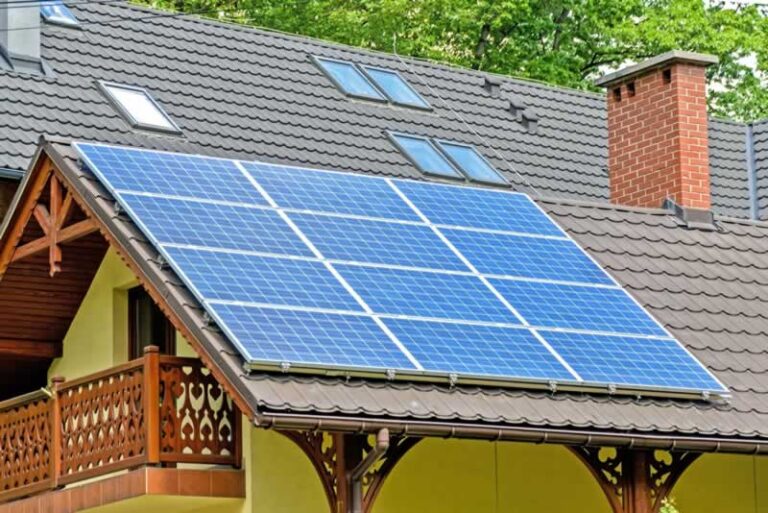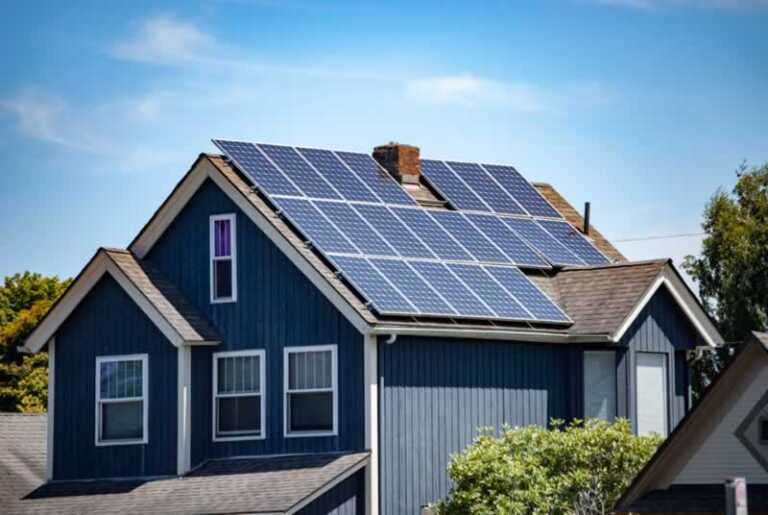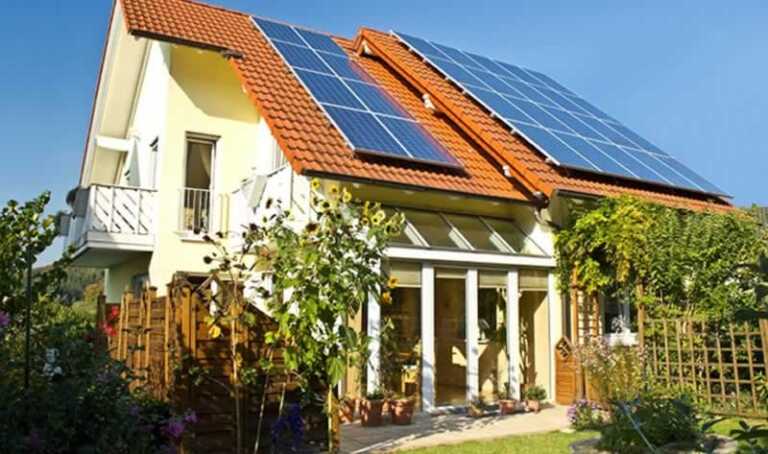
It may seem as though new rooftop solar installations are going up every day around your neighborhood. Many of these photovoltaic (PV) systems are installed by uniformed contractors who specialize in solar panel roof design. However, most states allow homeowners to install their own PV systems. This is why you often see do-it-yourself (DIY) solar kits online or at hardware stores. To ensure you extract the most value from your clean energy investment, it’s important you install your solar panels correctly and safely.

Fortunately, many solar kits feature step-by-step instructions. Even still, you can use the free primer below to better understand the broad strokes of successful solar design and installation.
1. Check With Local Authorities First
Although electrical licensing isn’t required in most utility markets, it’s always a good idea to check with your town hall and local zoning department before moving forward.
2. Verify Sizing and Capacity
Because solar panels come in all shapes and sizes, it’s important you install enough PV capacity to cover your energy needs — whether this means powering a few simple appliances or your entire home. You can use your utility bills to best gauge how many kilowatts of solar power you’ll need.
3. Purchase the Necessary Gear
Nearly all rooftop solar installations feature PV panels, racking, wiring and a solar inverter (or many microinverters). You may need to buy these à la carte, though some kits include all of this equipment. You also need safety gear and installation equipment — including ladders, drills, goggles and work gloves.
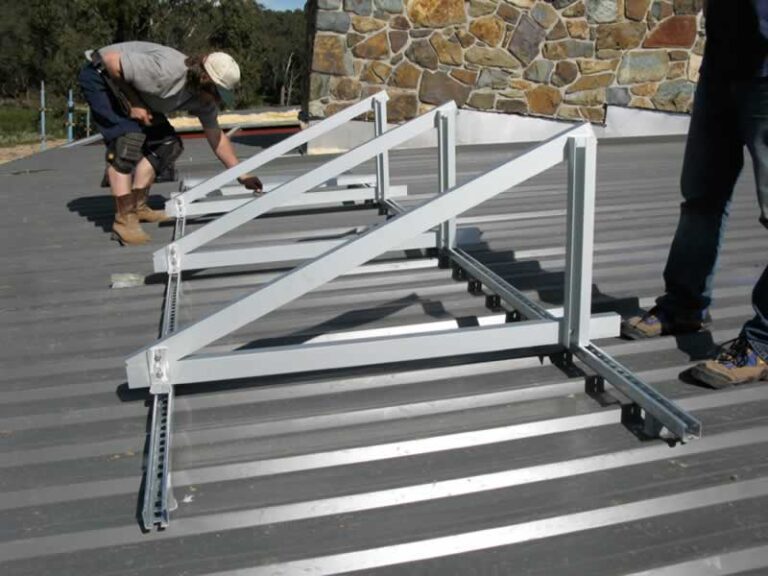
4. Install the Solar Racking
On the roof, you’ll need to drill lag bolt holes where the rails and racking will ultimately go. Next, caulk the holes, install the bolts and affix the rails per the manufacturer’s instructions.

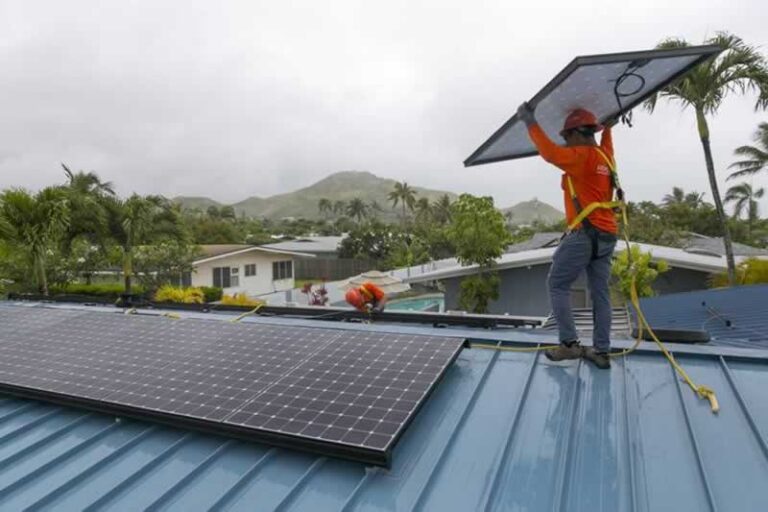
5. Install and Connect the PV Panels
The next step involves running electrical conduits and wiring to connect the solar panels. If using microinverters, you’ll need to install one beneath each PV module — essentially wiring the entire array in parallel. If using a single inverter, there’s one direct connection between the panels and your solar inverter.
6. Request Permission to Connect to the Grid
The final step involves extending the electrical wiring from the panels and inverters down to your electrical meter (which ultimately connects to the power grid). Note, however, that this is often one aspect of the job that can’t be completed by an amateur. For safety reasons, many states allow only licensed electricians to connect PV systems to the utility grid. They can only do this after receiving permission from the local power provider.
7. Start Saving Money Every Month
Once your solar PV system is finally online, you shouldn’t need to buy as much electricity from the utility grid. In addition to monthly savings, your decision to go solar can also help reduce your carbon footprint — which benefits the entire planet. Plus, because high quality PV panels often ship with 25-year warranties, you should be able to enjoy these benefits for decades to come.
Are Solar Panels Right for You?
Working with high-voltage electrical equipment can be intimidating. However, with the right prep and planning, anyone can safely install solar PV panels on their roof. Better still, this approach can be significantly cheaper than hiring a professional installer. Just keep in mind that the long-term return on investment (ROI) is what truly matters. You may discover that hiring a professional generates larger financial and environmental savings over the next 25+ years. Because most solar quotes are free, you have nothing to lose by exploring DIY installations and those completed by licensed PV contractors.