

Factors To Consider When Buying a Water Heater
Not everyone enjoys a cold shower, especially during the cold months of the year. So, to keep yourself warm and comfortable, consider getting a water heating system for your home. Besides avoiding freezing cold showers, you will also have convenient access to hot water for cooking, cleaning, or any other time you might need.
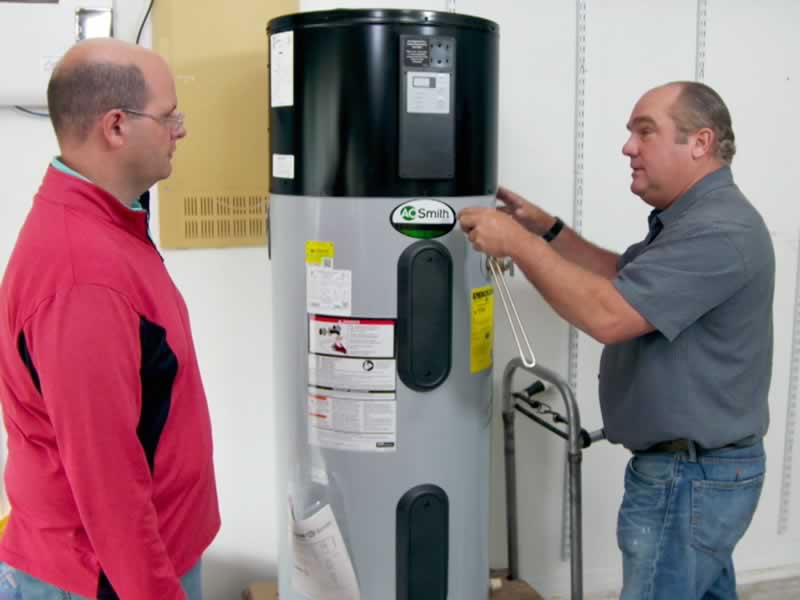
But, before you install a water heater, there are various factors you should keep in mind. Here’s what you should know:
Energy Efficiency
Since water heaters are a considerable investment, it’s crucial to consider how much you can save through energy consumption. Luckily, there are many energy-efficient options available in the market. To determine whether a unit is energy-efficient, check if it’s a certified Energy Star water heater or if it has a high Energy Factor (EF) rating. The Energy Star program by the Bureau of Energy Efficiency rates water heaters on a star scale of 1-5, with the higher number of stars saving you more energy. The same goes for the EF rating of water heaters—the higher the rating, the more efficient your unit is.
Fuel Type
There are many fuel options for water heaters, such as oil and solar energy. But for most residential units, they typically operate on gas or electricity. Choosing between these two fuel sources will help determine your water heaters’ installation and annual operating costs. Gas water heaters have a higher upfront cost, but since natural gas costs less, choosing this option will allow for cheaper monthly bills. On the other hand, electric heaters can be installed at a lesser price but require more expensive operating costs. Still, there are other factors that go into choosing which fuel to use for your water heater. So, if you’re still unsure, consult an expert.
Storage Type
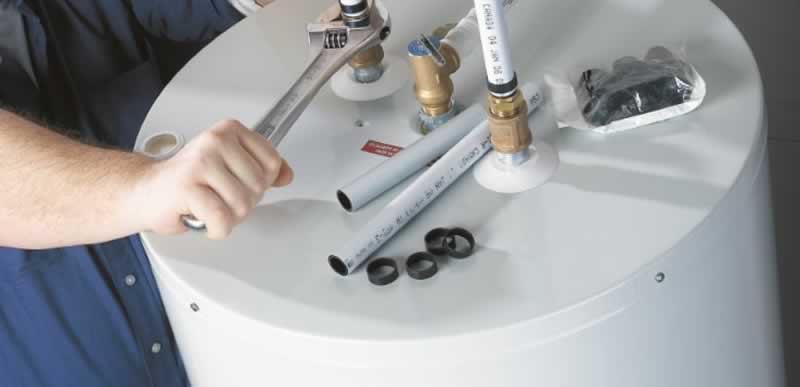
For most homes, storage tank water heaters are most commonly used. Depending on which size you choose, these tanks can hold 20-80 gallons of water, which are then heated and stored until you’re ready to use it. But, because of heat loss, storage water heaters need to heat stored water continuously, using a lot of energy. If you prefer a more energy-efficient option, you can also opt for an on-demand or tankless water heater. Instead of having stored hot water, this type of heater only provides hot water as needed. Take note, however, of its limited flow rate, as it might not be ideal for a larger household.
Storage Capacity
In choosing your water heater’s storage size, it’s best to choose the right capacity that will meet your household’s daily needs. Besides the amount of water it can hold, the water heater’s first-hour rating (FHR) and gallons per minute rating (GPR) will also depend on the tank capacity. The FHR refers to the number of gallons of hot water it provides per hour, while the GPR measures how many gallons flow per minute. Ultimately, this will tell how quickly a unit can heat and deliver water over time. To determine how much storage capacity you’ll need for your water heater, consider the number of people in your household and how much water you use daily. By doing so, you can determine whether you’ll need an average or larger unit to meet your daily water usage at home.
Space Required
Of course, it’s essential to consider if you have adequate space in your home to install a water heater. The standard unit is usually 40 gallons, which may increase depending on the storage capacity you need for your home. If you have a smaller space, there are also short and tall options you can choose from. Tankless water heaters are also much smaller than traditional units. Besides the actual space for the water heater, it’s crucial the spot has the necessary input and output faucets and is easily accessible for repairs and maintenance. For more guidance on choosing the right unit, talk to a professional.
Conclusion
Learning about what to consider when buying a water heater will help you make crucial decisions for this major home investment. While installing a water heater can be done independently, it’s best to leave it to the experts. Besides ensuring an efficient installation, it will also prevent any costly damages. If you’re ready to buy a water heating system for your home, reach out to a water heater expert near you.





I appreciate your clear explanations and the emphasis on safety throughout the process.
It’s evident that you care about your readers’ well-being and want us to tackle these issues safely and effectively.
Your blog has become my go-to resource for appliance-related issues,
and I’ll be sure to share it with friends and family who might face similar problems with their appliances.
Keep up the fantastic work!