Your home’s exterior does more than just look good from the street, it’s actually your first line of defense against whatever Mother Nature throws your way. Think of it as your home’s armor, protecting against rain, wind, pests, and all those environmental challenges that come with the seasons. When you stay on top of exterior maintenance, you’re not just preserving curb appeal; you’re preventing those small, manageable issues from snowballing into wallet-draining repairs. The key? Knowing what to look for.
Damaged or Missing Roofing Materials
Let’s start at the top, literally. Your roof takes a beating year-round, and it’s absolutely critical for keeping everything beneath it safe and dry. When you notice shingles that are cracked, curling up at the edges, or just plain missing, that’s your roof waving a red flag. Those dark patches you might spot, or all those granules collecting in your gutters? That’s granule loss from asphalt shingles, and it means your roof’s protective layer is wearing thin. Even more concerning are sagging areas or spots where you can actually see daylight peeking through the roof boards, these signal serious structural issues that need attention yesterday. Water stains creeping across your ceiling or down interior walls almost always trace back to roofing problems that are letting moisture sneak in where it shouldn’t.

When inspecting your roof for damage or considering repairs, professionals who need to assess structural integrity often consult with experienced contractors to ensure comprehensive evaluation and proper restoration. Making a habit of checking your roof regularly, especially after storms roll through, helps you catch these issues before they turn into full-blown water damage disasters.
Cracked or Deteriorating Siding
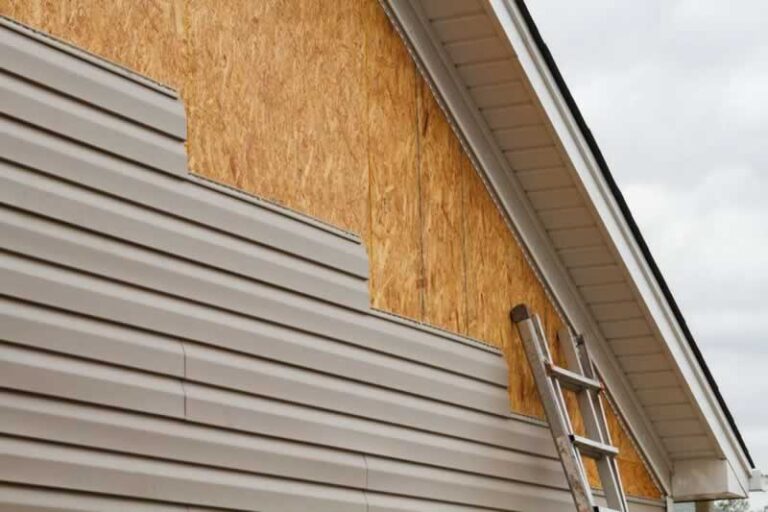
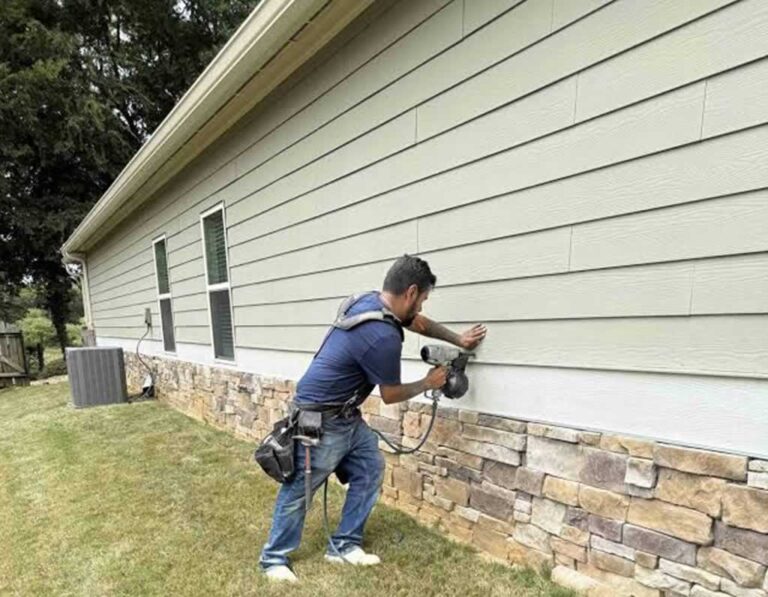
Your siding works hard to protect your home’s structure, but it won’t last forever without some attention. Depending on whether you’ve got vinyl, wood, or fiber cement, damage shows up in different ways, cracks, holes, warping, but they all spell trouble. These breaks in your home’s protective shell create convenient doorways for moisture, insects, and even small critters looking for a cozy place to nest. When you see paint peeling or sections pulling away from the house, that’s your siding telling you it’s lost its grip on the underlying structure, leaving vulnerable areas exposed to the elements.
Foundation Cracks and Settlement Issues
Foundation problems? They’re in a league of their own when it comes to serious home concerns. Horizontal cracks stretching wider than a quarter-inch aren’t something to put off, they indicate significant pressure on your foundation walls and demand professional eyes right away. Vertical cracks might seem less scary, but they still need watching and sealing to keep water out and prevent them from widening over time. That distinctive stair-step pattern in brick or block foundations tells you the ground beneath is shifting or settling, and things could get worse without intervention.
Gutter and Downspout Dysfunction
Gutters might not seem glamorous, but they’re absolutely essential for directing water away from your foundation and preventing erosion. When gutters start sagging, it usually means they weren’t installed quite right, aren’t properly supported, or they’re loaded down with leaves and debris. Rust spots, holes, or seams pulling apart let water escape before it reaches where it’s supposed to go, potentially soaking your siding and drowning your landscaping. If your gutters overflow during regular rainfall (not just torrential downpours), you’re probably dealing with blockages or a system that’s undersized for your roof.

Window and Door Deterioration
Windows and doors are essential entry points, but they’re also potential weak spots in your home’s protective shell. When you see cracks or fogginess between the panes of double-pane windows, that means the seal has failed, and you’re losing insulation value while your energy bills creep up. Peeling or rotting frames aren’t just ugly, they create gaps that invite drafts, moisture, and unwanted pests into your living space. Struggling to open or close windows and doors smoothly? That could mean the frames have warped, the foundation has shifted, or the hardware needs replacing.
Exterior Paint and Finish Degradation
Paint does double-duty on your home’s exterior: it looks great and protects the materials underneath from the elements. When paint starts peeling, cracking, or developing that chalky texture across wide areas, your surfaces have lost their protective shield and need refinishing soon. Even fading or discoloration, while mostly an aesthetic concern, can signal that the protective qualities have diminished and it’s time to think about recoating. Paint that’s blistering or bubbling usually reveals moisture problems lurking beneath the surface, problems you’ll need to solve before you even think about slapping on fresh paint.
Conclusion
Keeping a watchful eye on your home’s exterior isn’t just about maintaining appearances, it’s about protecting your investment and catching small problems before they mushroom into budget-busting emergencies. Making it a habit to inspect your home’s exterior with the seasons helps you spot warning signs early, when fixes are still straightforward and affordable. When you address maintenance needs promptly, you preserve structural integrity, maintain property value, and ensure your home keeps providing that safe, comfortable shelter your family depends on. Getting a professional evaluation when something concerns you brings peace of mind and expert guidance for prioritizing which repairs need tackling first.