Is your home’s exterior starting to look a little tired and worn? Transforming your curb appeal begins with a fresh coat of paint, and our ultimate guide is here to help you navigate every step of the process. Whether you’re looking to boost your home’s value, create a stunning first impression, or simply express your unique style, exterior home painting can work wonders. From selecting the perfect colors that harmonize with your landscape to mastering application techniques that ensure a flawless finish, we’ll cover it all. Dive in and discover tips and tricks that will empower you to revitalize your home’s façade, making it not just a dwelling, but a true reflection of your personality. Ready to unlock the potential of your home’s exterior?
Understanding Curb Appeal and Its Importance
Curb appeal is the visual attractiveness of a property as seen from the street. It’s the first impression your home makes on visitors, potential buyers, and even passersby. A well-maintained exterior not only enhances your home’s aesthetic appeal but also adds to its value. Real estate experts agree that homes with strong curb appeal can command higher prices and sell faster, making it a crucial aspect for homeowners considering selling their property.
Moreover, curb appeal is not just about resale value; it reflects the pride and care you take in your home. A beautifully painted exterior can make a statement about your personal style and attention to detail. It can also create a welcoming atmosphere for guests and a sense of pride for you as a homeowner. Investing time and effort into improving your home’s exterior can bring a sense of satisfaction and joy every time you return home.
In addition to aesthetic benefits, a fresh coat of paint can provide practical advantages. It can protect your home from the elements, preventing damage from moisture, UV rays, and temperature fluctuations. Quality exterior paint acts as a barrier, shielding your home’s structure and prolonging the lifespan of your siding and trim. By understanding the importance of curb appeal, you can make informed decisions that enhance both the beauty and functionality of your home.

Choosing the Right Paint for Your Home’s Exterior
Selecting the right paint for your home’s exterior is a critical step in achieving a successful transformation. There are various types of exterior paint available, each with distinct properties and benefits. The most common types are latex (water-based) and oil-based paints. Latex paint is popular for its durability, ease of application, and quick drying time. It’s also environmentally friendly and less odorous compared to oil-based paints. On the other hand, oil-based paints offer a smoother finish and are highly resistant to wear and tear, making them suitable for high-traffic areas.
When choosing paint, consider the specific needs of your home’s exterior surfaces. For instance, if your home has wooden siding, you’ll need a paint that can adhere well to wood and provide protection against moisture and pests. Masonry surfaces, such as brick or stucco, require paint that can handle the unique texture and porosity of these materials. Additionally, some modern paints come with added features like mildew resistance, UV protection, and self-priming properties, which can enhance the longevity and appearance of your paint job.
Color selection is another crucial aspect of choosing the right paint. The colors you choose should complement your home’s architectural style, the surrounding landscape, and even the neighborhood aesthetic. Lighter colors can make a home appear larger and more inviting, while darker shades can add a touch of elegance and sophistication. It’s also wise to test paint samples on a small section of your home’s exterior to see how they look under different lighting conditions before making a final decision.
Preparing Your Home for Exterior Painting
Proper preparation is essential for achieving a flawless and long-lasting exterior paint job. The first step is to thoroughly clean the surfaces to be painted. This can be done using a pressure washer to remove dirt, mildew, and loose paint. For areas that are particularly grimy or moldy, a mixture of water and bleach can be used to scrub away stains. Ensuring that the surface is clean will improve paint adhesion and result in a smoother finish.
Next, inspect your home’s exterior for any damage that needs to be repaired before painting. This includes checking for cracks, holes, and rotting wood. Small cracks can be filled with caulk, while larger holes may require patching with a suitable filler. Any damaged or rotten wood should be replaced to prevent further deterioration. It’s also important to sand rough or peeling areas to create a smooth surface for painting. Taking the time to address these issues will ensure that your paint job is not only beautiful but also durable.
Once repairs are made, the next step is to apply a primer. Primer serves as a base coat that helps the paint adhere better and provides a uniform surface for painting. It also seals any repaired areas and prevents stains from bleeding through the final coat of paint. Choose a primer that is compatible with the type of paint you will be using, and apply it evenly across the entire surface. Allow the primer to dry completely before moving on to the next step. Proper preparation may seem time-consuming, but it’s a crucial investment in the quality and longevity of your exterior paint job.
Essential Tools and Materials for Exterior Painting
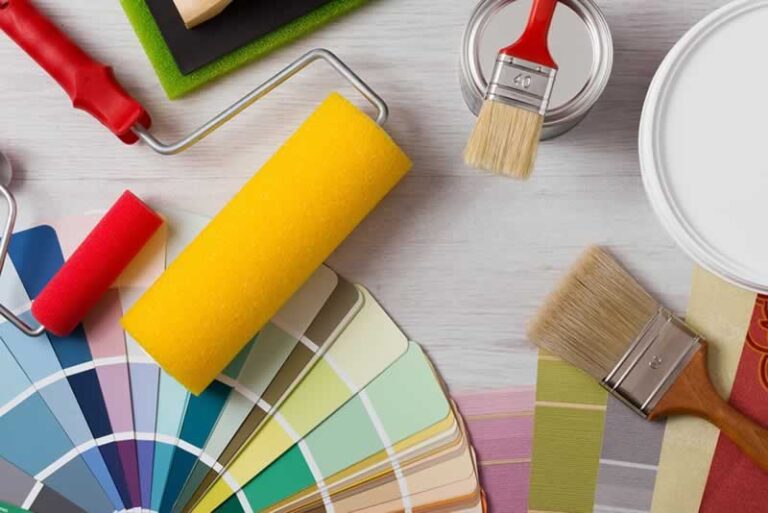
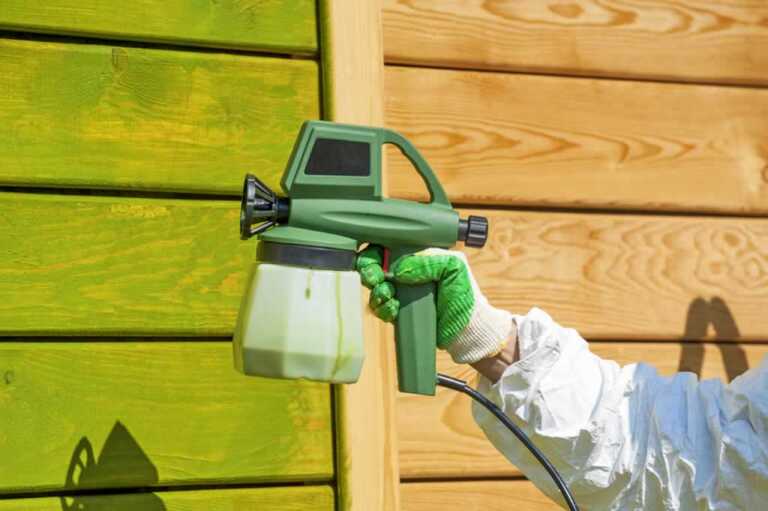
Having the right tools and materials is essential for a successful exterior painting project. The basic tools you’ll need include paintbrushes, rollers, paint trays, and extension poles. High-quality brushes and rollers can make a significant difference in the application process, ensuring a smoother and more even finish. For larger surfaces, a paint sprayer can be a time-saving tool that delivers a professional-looking result.
Ladders and scaffolding are also important for reaching higher areas safely. Choose a sturdy ladder that can support your weight and provide stability. If your home has multiple stories, consider renting scaffolding to ensure you can work comfortably and safely at various heights. Don’t forget to wear appropriate safety gear, such as gloves, goggles, and a dust mask, to protect yourself from paint fumes and debris.
In addition to tools, you’ll need a variety of materials to complete your project. These include painter’s tape to protect windows and trim, drop cloths to cover landscaping and walkways, and sandpaper for smoothing surfaces. Caulk and wood filler are essential for repairing cracks and holes, while primer and paint are the main materials you’ll be applying. It’s also helpful to have a paint can opener, stir sticks, and a paint grid for rolling. By gathering all the necessary tools and materials beforehand, you can ensure a smooth and efficient painting process.

Step-by-Step Guide to Painting Your Home’s Exterior
Painting your home’s exterior is a multi-step process that requires careful planning and execution. Begin by thoroughly cleaning the surfaces to be painted, as mentioned earlier. This step is crucial for removing dirt, mildew, and loose paint, which can affect paint adhesion. Allow the surfaces to dry completely before moving on to the next step.
Once the surfaces are clean and dry, inspect for any damage and make necessary repairs. Fill cracks and holes with appropriate fillers, sand rough areas, and replace any damaged wood. After repairs are made, apply a primer to create a uniform surface for painting. Choose a primer that is compatible with your chosen paint and apply it evenly across the entire surface. Allow the primer to dry completely before proceeding.
Now it’s time to start painting. Begin with the trim and edges using a brush, as these areas require more precision. Use painter’s tape to protect areas you don’t want to paint, such as windows and doors. Once the trim is complete, use a roller or paint sprayer to cover larger surfaces. Apply the paint in thin, even coats, allowing each coat to dry completely before applying the next. This may require two or more coats, depending on the color and type of paint you’re using. Take your time to ensure each coat is smooth and even, and don’t rush the process. By following these steps, you can achieve a professional-looking paint job that enhances your home’s curb appeal.
Color Selection Tips for Maximum Impact
Choosing the right colors for your home’s exterior can significantly impact its overall appearance and curb appeal. When selecting colors, consider the architectural style of your home. Traditional homes, such as Colonial or Victorian styles, often look best with classic color schemes like white, beige, or muted pastels. Modern homes, on the other hand, can handle bolder and more contemporary colors like gray, black, or even vibrant hues.
The surrounding environment also plays a crucial role in color selection. Take into account the colors of neighboring homes, the natural landscape, and any existing features like brick or stone. Your chosen colors should complement these elements rather than clash with them. For instance, if your home is surrounded by lush greenery, earthy tones like greens and browns can create a harmonious look. Conversely, if your home is in a more urban setting, sleek neutrals or metallic accents can add a touch of sophistication.
Don’t forget to consider the psychological effects of color. Different colors can evoke different emotions and impressions. For example, warm colors like red and yellow can create a welcoming and energetic vibe, while cool colors like blue and green can evoke a sense of calm and tranquility. Test paint samples on a small section of your home’s exterior and observe how they look at different times of day under varying light conditions. This will help you make an informed decision and ensure you’re happy with the final result.
Common Mistakes to Avoid When Painting Exteriors
Painting your home’s exterior is a significant project, and avoiding common mistakes can ensure a successful outcome. One of the most common mistakes is neglecting proper surface preparation. Failing to clean the surface thoroughly, skipping repairs, or not using primer can lead to poor paint adhesion and an uneven finish. Take the time to prepare the surface correctly to achieve a professional-looking result.
Another mistake is choosing the wrong type of paint. Using interior paint for exterior surfaces or selecting a low-quality paint can result in premature peeling, fading, and other issues. Always use paint specifically formulated for exterior use and choose a high-quality product that will withstand the elements. Additionally, applying paint in unfavorable weather conditions, such as extreme heat, cold, or high humidity, can affect the drying process and the final appearance. Check the weather forecast and plan your painting project for optimal conditions.
Rushing the painting process is another common mistake. Applying thick coats of paint in an attempt to finish quickly can lead to drips, uneven coverage, and a less durable finish. Instead, apply thin, even coats and allow each coat to dry completely before applying the next. This may take more time, but it will result in a smoother and more professional-looking finish. By avoiding these common mistakes, you can ensure your exterior paint job is both beautiful and long-lasting.
Maintenance Tips to Keep Your Exterior Paint Looking Fresh
Once you’ve transformed your home’s exterior with a fresh coat of paint, it’s important to maintain it to keep it looking its best. Regular cleaning is essential to remove dirt, mildew, and other debris that can accumulate over time. Use a gentle cleaning solution and a soft brush or sponge to clean the surfaces, and rinse thoroughly with water. Avoid using harsh chemicals or abrasive tools that can damage the paint.
Inspect your home’s exterior regularly for signs of wear and tear. Look for cracks, peeling paint, or areas where the paint has faded. Address these issues promptly to prevent further damage and maintain the overall appearance. Small touch-ups can be done with leftover paint, while more extensive repairs may require repainting a larger section. Keeping up with maintenance can extend the life of your paint job and reduce the need for frequent repaints.
Protecting your home’s exterior from the elements is also crucial. Ensure that gutters and downspouts are functioning properly to direct water away from the house. Trim back trees and shrubs that are too close to the house to prevent moisture buildup and damage. Consider applying a clear protective sealant over the paint for added durability and UV protection. By following these maintenance tips, you can keep your exterior paint looking fresh and vibrant for years to come.
Hiring Professional Painters vs. DIY Painting
Deciding whether to hire professional painters or tackle the project yourself is an important consideration. Professional painters, like the guys from https://nomadpainting.net/, bring expertise, experience, and specialized equipment to the job, which can result in a high-quality finish. They can also complete the project more quickly and efficiently, saving you time and effort. If your home has multiple stories, intricate details, or extensive damage, hiring professionals may be the best option to ensure a safe and successful outcome.
On the other hand, DIY painting can be a rewarding and cost-effective option if you have the time, skills, and motivation to take on the project. Painting your home’s exterior yourself allows you to have complete control over the process, from color selection to application. It can also be a fun and satisfying way to improve your home’s curb appeal. However, it’s important to be realistic about the scope of the project and your abilities. Exterior painting can be physically demanding and time-consuming, and mistakes can be costly to fix.
Consider factors such as your budget, schedule, and comfort level with DIY projects when making your decision. If you choose to hire professionals, do your research and select a reputable company with positive reviews and a portfolio of completed projects. If you decide to go the DIY route, invest in quality tools and materials, and take the time to properly prepare and execute the project. Whether you hire professionals or do it yourself, the goal is to achieve a beautiful and long-lasting exterior paint job that enhances your home’s curb appeal.
Conclusion: Elevate Your Home’s Curb Appeal Today
Transforming your home’s curb appeal with a fresh coat of paint is a powerful way to enhance its beauty, value, and overall impression. By understanding the importance of curb appeal, choosing the right paint, and properly preparing and executing the project, you can achieve stunning results. Whether you opt for professional painters or take on the project yourself, the effort and investment will pay off in the form of a more attractive and inviting home.
Remember to select colors that complement your home’s architectural style and surroundings, and avoid common mistakes that can affect the quality of your paint job. Regular maintenance and prompt repairs will help keep your exterior paint looking fresh and vibrant for years to come. With careful planning and attention to detail, you can elevate your home’s curb appeal and create a lasting impression that reflects your personal style and pride in homeownership.
Ready to unlock the full potential of your home’s exterior? Follow our ultimate guide to exterior home painting and embark on a transformative journey that will breathe new life into your property. With the right knowledge, tools, and approach, you can achieve a stunning and long-lasting paint job that will make your home the envy of the neighborhood. Elevate your curb appeal today and enjoy the benefits of a beautifully painted home.