
Bed bug infestation is very stressful and scary. Your home is supposed to be a safe place for you, but now it’s full of biting guests you didn’t invite. Even though these animals are small and flat, they are quite harmful. Bed bugs devour your blood at night if you don’t exterminate them immediately.
Bed bugs are attracted to warmth and carbon dioxide, which is why they tend to congregate in sleeping areas where they can easily access their human hosts. They are typically active at night, when they come out to feed. While their bites are painless, they can cause itchy welts and allergic reactions in some individuals. Bed bugs can survive for several months without feeding, making them incredibly resilient. This resilience, combined with their ability to hide in tiny cracks and crevices, makes them one of the most challenging pests to eliminate.

You must be proactive in treating bed bugs and preventing their return if you wish to eliminate them quickly. Before moving forward, let’s find out the following information about what are bed bugs, causes of bed bugs infestation, and how to effectively get rid of bed bugs.
What are bed bugs?
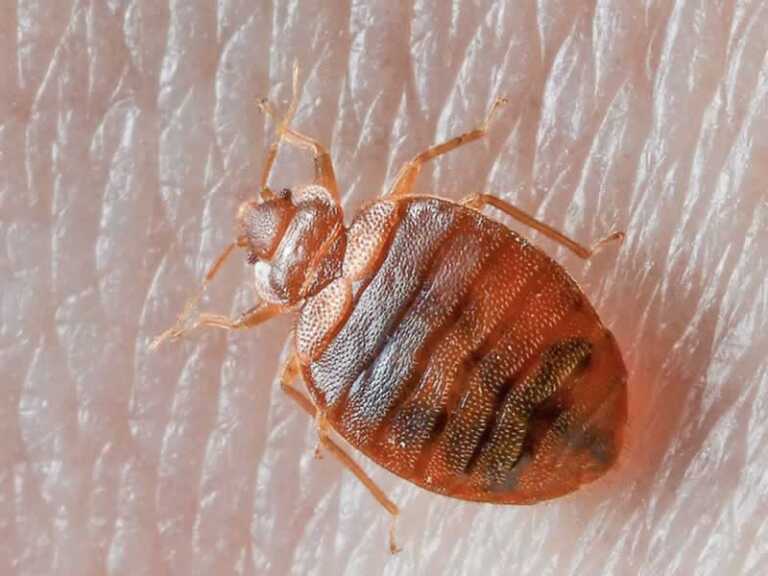
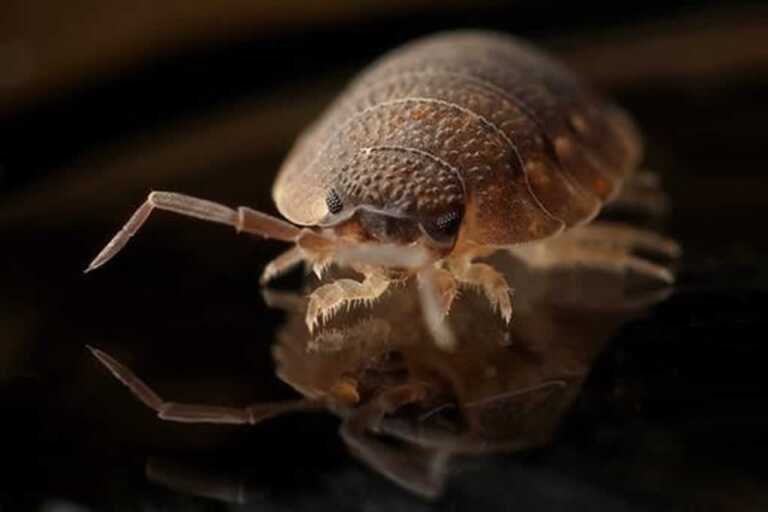
Bed bugs are parasites that feast on the blood of both animals and humans. Bed bugs consume our blood and our animals while they are at home. Bed bugs are not entirely harmful, but they can be annoying. Bed bugs can also spread diseases quickly. Bed bugs are called Cimex lectularius by scientists. These are tiny, flat, brownish-red insects. Their diet is minimal, so they can survive for several months without food.
The life cycle of a bed bug includes several stages, starting from eggs, nymphs, and finally, adults. Female bed bugs can lay hundreds of eggs in their lifetime, each about the size of a speck of dust. These eggs hatch into nymphs, which go through five molting stages before becoming adults. At each stage, nymphs require a blood meal to molt to the next stage. This rapid reproduction cycle enables bed bug populations to grow quickly if left unchecked. Understanding their biology is crucial for developing effective strategies to combat them.
Signs of a Bed Bug Infestation
Detecting a bed bug infestation early is key to preventing a small problem from becoming a major issue. One of the most common signs of bed bugs is the presence of bites on your skin. These bites often appear in clusters or lines on exposed areas such as the face, neck, arms, and hands. The bites can cause red, itchy welts that may take several days to develop after the initial bite. However, not everyone reacts to bed bug bites, so the absence of bites does not necessarily mean you are free of these pests.
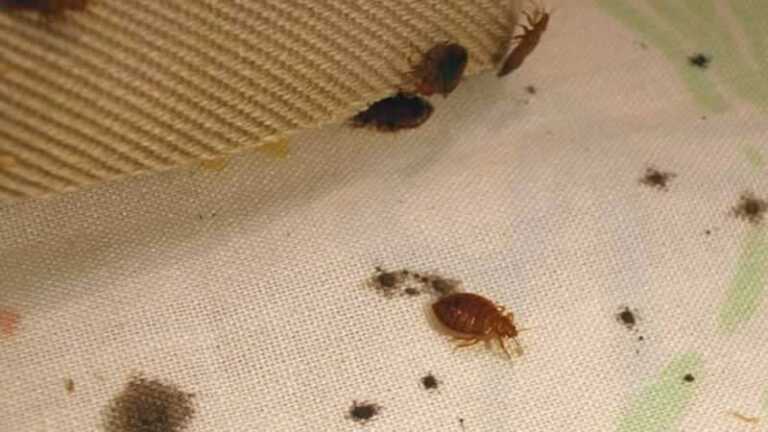
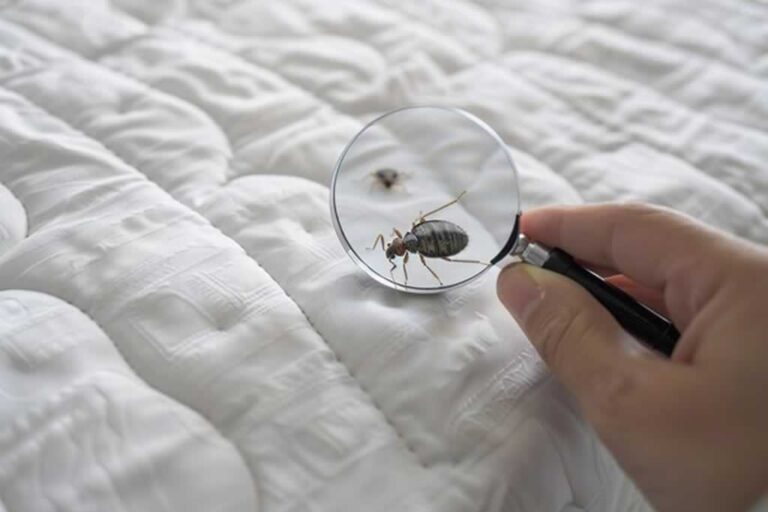
Another telltale sign of a bed bug infestation is the presence of small, rust-colored stains on your bedding or mattress. These stains are usually the result of bed bugs being crushed or from their excrement. You may also find tiny, white eggs and eggshells, which are about 1mm in size, and pale yellow skins that nymphs shed as they grow. Additionally, bed bugs themselves can sometimes be spotted. They tend to hide in crevices during the day, so look closely at mattress seams, bed frames, headboards, and other furniture.
A distinctive musty odor is another indicator of a significant bed bug infestation. This smell is produced by the bed bugs’ scent glands and can become quite noticeable in severe infestations. If you notice any of these signs, it is crucial to take immediate action. The longer you wait, the more difficult and expensive it will be to eradicate the bed bugs. Early detection and intervention are essential for effective control and elimination.
Health Risks Associated with Bed Bugs
While bed bugs are not known to transmit diseases, their bites can cause various health issues. The most common reaction to bed bug bites is itching and inflammation. Scratching the bites can lead to secondary skin infections, such as impetigo, folliculitis, or cellulitis. In some cases, individuals may experience an allergic reaction to the bites, ranging from mild irritation to severe anaphylaxis, which requires immediate medical attention.
Beyond physical health, bed bug infestations can have significant psychological effects. The presence of bed bugs in your home can cause anxiety, stress, and insomnia. The constant worry about being bitten can lead to sleep deprivation, which can impact your overall well-being and daily functioning. In severe cases, individuals may develop post-traumatic stress disorder (PTSD) due to the persistent fear and discomfort associated with bed bugs.
Bed bug infestations can also have social and economic impacts. People may feel embarrassed or stigmatized by the presence of bed bugs in their homes, leading to social isolation. The cost of professional extermination services, replacement of infested furniture and bedding, and potential loss of work can add up quickly. Understanding the health risks associated with bed bugs underscores the importance of taking prompt and effective action to eliminate these pests.

DIY Bed Bug Elimination Methods
1. Investigation to bed bug Infestation to observe
A bed bug bite may not alert you to bed bugs. Are there any bites on your body? Bed bug bites usually look like red, raised, zigzag-shaped bumps. They can be scratchy, get blisters, or feel like nothing at all. Bed bugs leave behind rust-coloured waste. This comes from your blood, which they’ve eaten after biting you. A severe bed bug infestation can smell like rotten eggs. If your bedroom or any other room has a strange smell, look for other signs of bed bugs. Many kinds of pests leave a scent, so be ready for problems with pests other than bed bugs. The heat can kill bed bugs in your washer and dryer.
2. Vacuum thoroughly
Vacuum mattress piping, bed-frame joints, screw holes, carpets, skirting boards and nearby furniture. Use a narrow crevice attachment. Immediately seal the vacuum contents in a bag and dispose of them outdoors. Follow the manufacturer’s instructions for cleaning the vacuum. Vacuuming removes some bugs and eggs but will not eliminate those hidden deep in cracks.
3. Clean all your clothes
Getting rid of bed bugs quickly is crucial when you find them in your home. Heat can kill bed bugs, so start washing your clothes and other things in hot water. It is crucial to eliminate bed bugs from clothing, linens, towels, pet beds, and plush animals. Everything made of fabric should be washed in a high-temperature washing machine. The clothes should be dried on the highest setting in the dryer. If you don’t want to wash something, like shoes, you can still dry them for 30 minutes in the dryer. Getting rid of a bed bug infestation could take a few days because you will have to clean everything. Put a plastic cover on your mattress and cover your pillow after getting rid of bed bugs.
4. Clean up your house
Some think bed bugs only live in dirty, badly kept homes. It’s not true. Even well-kept homes in wealthy neighborhoods can still have pest problems. Bed bugs can live wherever there is a lot of clutter. So, give your home a thorough cleaning. Bed bugs prefer to live in dry, cool environments. Sort through the boxes under your bed and in your closet to eliminate things you don’t need. Books, magazines, clothing, and kitchen utensils should all be stored. You should know where all your belongings are and when they were last cleaned at the end of the process.
5. Give your mattress a deep clean
What about the place where the crime happened, your bed? Even though bed bugs aren’t only found in beds, they are often found there. Start by scrubbing the seams of your mattress with a stiff brush. The eggs and shells will fall off as a result. Then, vacuum the top, bottom, and all sides of the mattress. Keep in mind that bug eggs could now be in your vacuum. When you’re done, wrap the plastic bag and place it outside. By leaving the bugs outside, they will suffocate and die. Use the same method on your mattress: put it in a tight mattress case that keeps out bed bugs. Make sure it’s tightly closed for at least a year.
6. Cracks in the wall should be filled
Bed bugs hide in the tiny cracks in the plaster of your walls, which is very common. Nests could be built-in cracks or where the wallpaper is coming off. Be sure to check your walls carefully. Go from room to room and look at the walls to see if they are damaged or if there are places bed bugs could hide. Use wallpaper glue to seal up edges that are lifting or take the paper off completely. Fill all cracks in the wall with plaster or caulk, no matter how small they are. Bed bugs can live in the cracks of your books, so clear them out.
7. Cover things that can’t be cleaned
What about things like tables and chairs that you can’t put in the washer or dryer? These things must be put in plastic cases that can’t be opened. Bed bug cracks and corners can be sealed to kill bed bugs for up to a year. Perhaps it would be better to simply get rid of a few things. Suppose you do not want to pay to have your lazy-boy chairs cleaned professionally, for instance. If you put these things on the side of the road to be picked up, make sure to write “bed bugs” or “broken” so a neighbour doesn’t think they’re free furniture. Bed bug eggs can be killed by steaming clothes at a high temperature.

8. Clean often with steam
A steamer is a great tool for keeping your home free of bed bugs. With the heat from the steam, you can kill bed bugs and bed bug eggs. Use your steamer to spray each room slowly. Ensure that the carpet, baseboards, closet shelves, and window trim are all in good condition. Use a low airflow setting and set the steamer to at least 160 degrees Fahrenheit. The airflow can kill bed bugs if it is too strong. This is a possibility while scattered.
9. Use diatomaceous earth
Another DIY method is to use diatomaceous earth, a natural, non-toxic powder made from fossilized algae. When bed bugs come into contact with diatomaceous earth, it damages their exoskeletons, causing them to dehydrate and die. Sprinkle the powder in areas where bed bugs are likely to hide, such as mattress seams, bed frames, and along baseboards. Leave the powder in place for several days before vacuuming it up. Be sure to use the food-grade version of diatomaceous earth, as it is safe for humans and pets.
10. Bed bug interceptors and traps
These devices are designed to capture bed bugs as they move around your home. Place interceptors under the legs of your bed and furniture to trap any bed bugs attempting to climb up or down. Sticky traps can also be placed in areas where bed bugs are likely to travel. While these methods can help reduce the bed bug population, they may not be enough to completely eliminate an infestation, especially in severe cases.
Common Myths About Bed Bugs
There are many myths and misconceptions about bed bugs that can lead to ineffective treatment and unnecessary anxiety. One common myth is that bed bugs are a sign of a dirty or unkempt home. In reality, bed bugs can infest any home, regardless of cleanliness. They are attracted to warmth and carbon dioxide, not dirt or grime. While clutter can provide more hiding spots for bed bugs, it does not cause an infestation.
Another myth is that bed bugs only infest beds. While beds are a common hiding spot, bed bugs can be found in many other areas of the home, including furniture, curtains, carpets, and even electrical outlets. They are adept at hiding in small cracks and crevices, making it important to thoroughly inspect and treat all potential hiding spots in your home.
Some people believe that bed bugs can be eliminated by simply discarding infested furniture or bedding. While this may help reduce the number of bed bugs, it is not a guaranteed solution. Bed bugs can hide in other areas of your home and quickly reinfest new furniture. It is essential to use comprehensive treatment methods to eliminate bed bugs from your entire home.
Conclusion: Achieving Long-Term Bed Bug Control
Permanently eliminating bed bugs requires a combination of effective treatment methods, vigilant prevention strategies, and ongoing monitoring. Understanding the biology and behavior of bed bugs can help you detect and address infestations early. DIY methods and professional extermination services can be used to eliminate bed bugs, depending on the severity of the infestation. Choosing the right treatment plan and following post-extermination tips can help ensure that your home remains bed bug-free.
Dispelling common myths about bed bugs can also help you take the right steps to prevent and eliminate infestations. By staying informed and proactive, you can achieve long-term bed bug control and reclaim your peaceful sleep. Remember, early detection and prompt action are key to successfully eliminating bed bugs and preventing future infestations. With the right approach, you can permanently eliminate bed bugs for good and enjoy a bed bug-free home.