
When many of us think of powering the backyard lights, water features or garden tools we just think to run an extension cable from the house. However, if you’re someone with a larger garden, an extension cable just won’t do. That said, if you like the idea of creating electricity either passively and want to have a power source strictly for the garden itself, then we have a few ideas for you.
These ideas take a bit of an investment to get going, but once they’re installed in your garden they’ll be ready to generate power and get your exterior lighting and other garden additions ready to go!
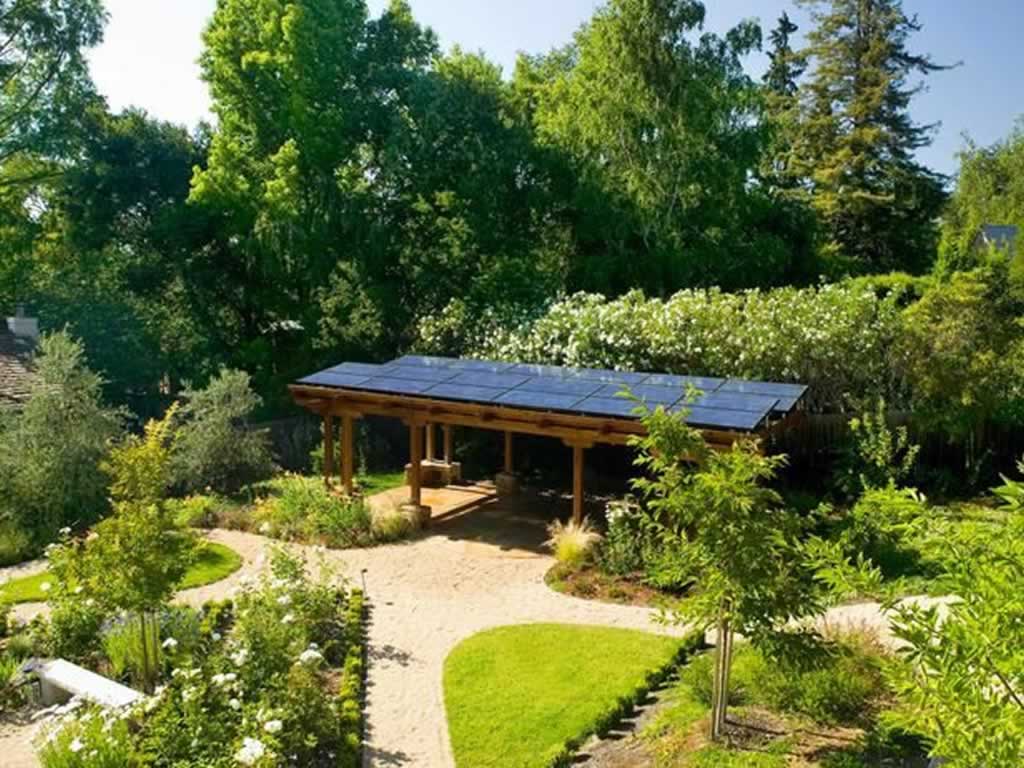
Gazebo, Pergola or Shed Top Solar Panels
First up are gazebo, pergolas or shed top solar panels. If you have a shed or roof area of just about any size in your garden then you’ll have somewhere to install solar panels and possibly even a few batteries. Provided the panels aren’t in the shade, they will be generating power throughout the day and storing it in your batteries for later use in the evening or for power tools before sundown.
If you don’t already have a rooftop space in your garden, this might be an incentive to have one built. You’ll be able to create the perfect space for yourself and the family to hang out and have lunches whilst at the same time you’ll be investing in a new space to generate electricity for the garden to use in the evening.
Portable Generators
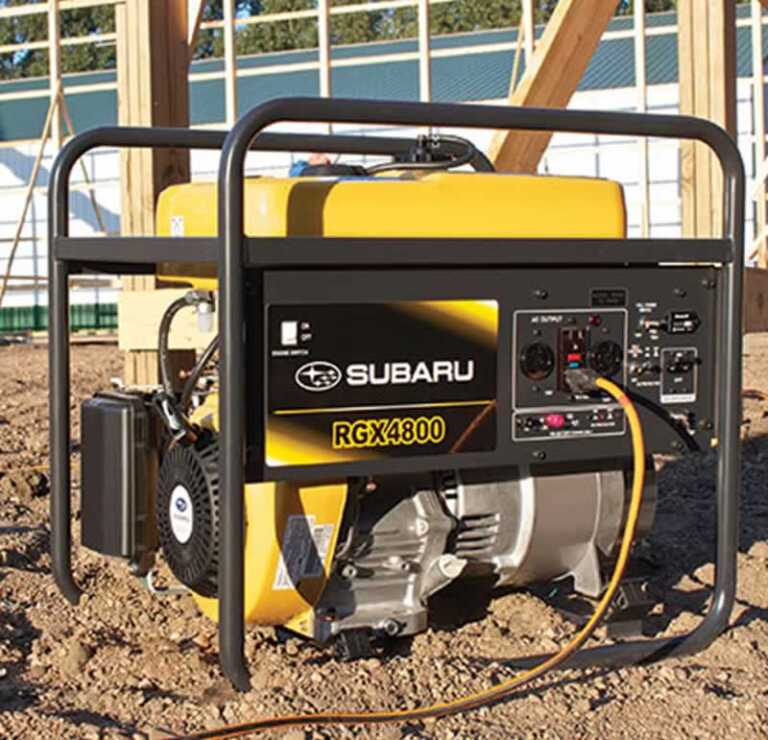
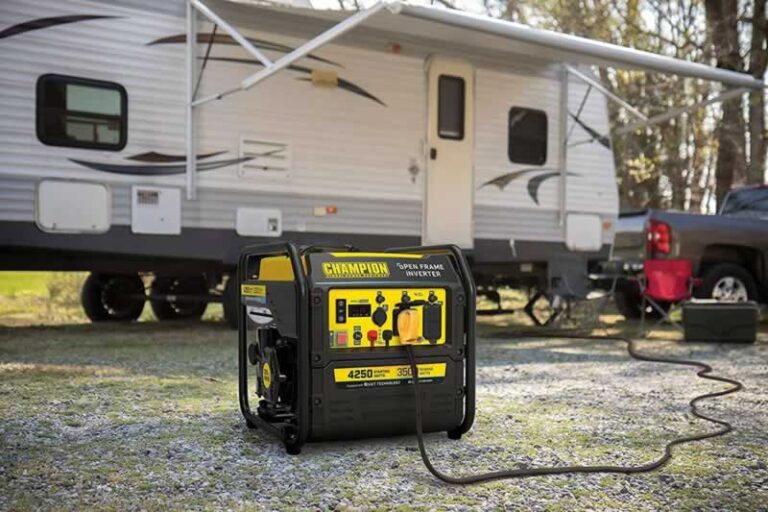
Possibly the easiest solution on our list for generating power in the garden is to invest in a portable, quiet petrol generator. These can output up to 3kW, making them perfect for just about anything you’d want to do in the garden. From using high-powered tools, running jumping castles or hooking up an array of lighting fixtures your generator will have you covered.
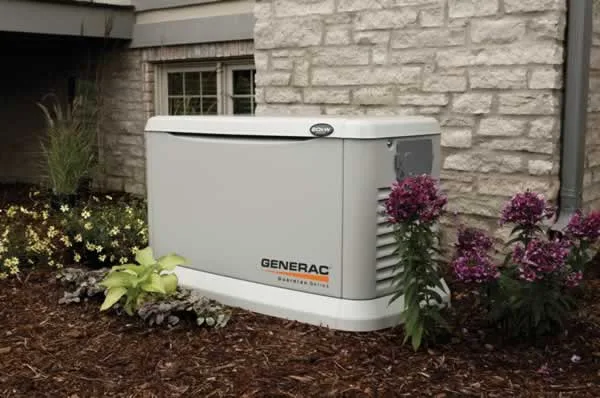
Considering that generators should be kept out of the weather, you could have a small shed built in the garden specifically for the generator. This way you’re able to switch it on whenever you need it and won’t need to move it in and out of the house, garage or shed when you’re finished. It’s best to turn toward camping generators like ones from Outbaxcamping as these are going to be the most portable, affordable and quiet, making them perfect for the garden.
Residential Wind Turbines
If you’re in an area where small, residential wind turbines are legal, then certainly opt for these if you need a passive, affordable power source. These are perfect for coastal homes as you’re more likely to see sustained winds throughout the day. However, generating power by utilising residential wind turbines will depend on your local regulations.
You’ll definitely want to consider installing battery banks with wind turbines as wind can be unpredictable. You won’t want to be wasting any of the power you generate and batteries are your best bet at ongoing electricity use during the evening.
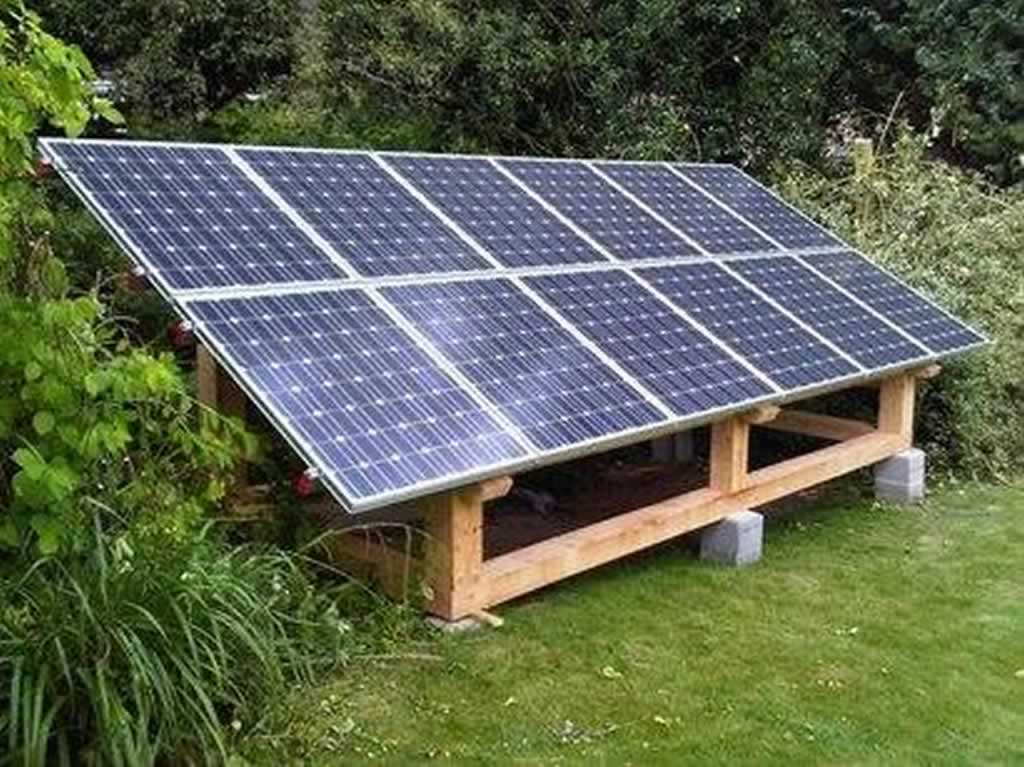
Ground-mounted Solar Panels
If you have a garden with plenty of open space that isn’t interrupted by trees then you should definitely consider ground-mounted solar panels. These can be installed directly on short poles, the lawn or even in-between rows of vegetables and fruits if you have a small at-home farm.
You’ll need to determine the size of the panels and how much space you need, depending on the amount of power you’ll have to generate from the garden. On top of this, also consider when you’ll be using the power and for what. If the majority of your use is from lighting at night, then make sure to invest in batteries too as you’ll want to store the power you generate during the day.