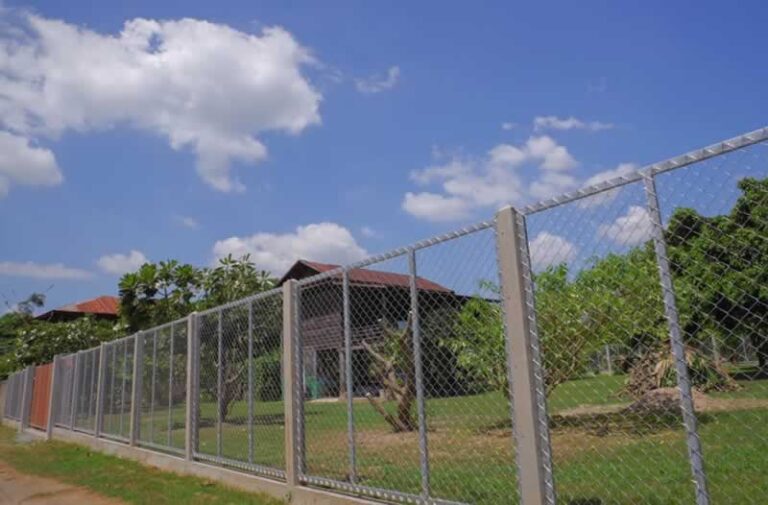

In many communities in the United States, a fence can be shared between two neighbors. Fences are usually built along the property lines or borders. The building and installation of a fence are regulated by fencing laws, local ordinances by cities and counties, and sometimes covenants and restrictions imposed by a homeowners association (HOA). If you want to put up a metal panel fence in your backyard, you must first consult the laws and rules stated for your particular city and neighborhood. If you live in a community with an HOA, it is important to consult with them regarding the height, size, and design of your fence. An HOA committee may deny you the right to build your fence if it does not conform to rules and regulations.

As a general rule of thumb, a fence must be six feet high when installed in a backyard and four feet high in a front yard. Depending on the community where you live, an HOA committee should also approve the design of your fence, specifically if it will change the design consistency in the neighborhood or if it will lower the property’s value. Aside from fencing laws, you should also look into the various fence etiquette that you should follow. It will keep the peace within the neighborhood and will allow you to get along with your neighbors and the HOA.
Notify Neighbors Before Building a Fence
Although most state laws and regulations do not require you to inform your neighbors when you plan to build a fence, it is still good etiquette to talk to them first before starting your plan. In California, there is a Good Neighbor Fence Law, wherein a homeowner must give a 30-day notice to a neighbor about his plans to build a fence. The notice must include, among others, the design of the fence, upkeep, maintenance cost, and timeline.

Observe and Respect Boundaries
Before you put your plan into action, check your blueprint or house plan to see the exact location where to put up the fence. You cannot go even one centimeter over your property line, or it would cost legal dispute between you and your neighbor. If you are unsure about the property boundary, ask for a new survey from a land surveyor. This would cost you between $500 and $1,000. As a rule of thumb, contractors usually build the fence one foot inside the boundary.
Face the Good Side Toward Your Neighbor
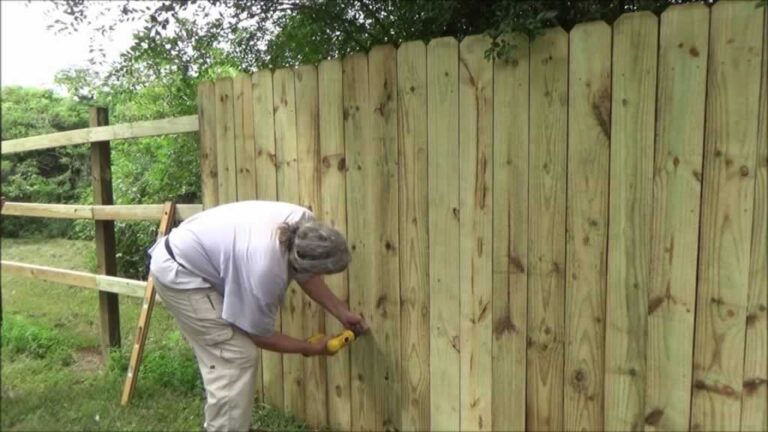
Usually, a fence has a good side (the more polished side) and a bad side that shows the rails and posts. Proper etiquette will dictate that you face the good side toward your neighbor. This is not only polite, but it is also the standard since you don’t want the ugly side of your fence facing the street. You can also invest in a fence that’s identical on both sides. Often called good neighbor fences, these have “sandwich construction” where the posts and rails are hidden between the two good sides. This also makes the fence sturdier.
Following these guidelines and etiquette will allow you to lead a more harmonious life in your neighborhood. There is nothing more stressful than constantly being “at war” or in dispute with your neighbors. The bickering, written warnings, and legal disputes can take their toll on you. Simply communicate with your neighbors, and you may be surprised how willing and eager they are to cooperate with you.