
Renovations usually begin with the visible things: new flooring, better lighting, updated cabinets, fresh paint, maybe a kitchen that finally has enough counter space. Electrical work tends to stay in the background—right up until someone discovers that the beautiful new appliance needs a dedicated circuit, the panel is already full, or half the outlets are exactly where the new furniture is supposed to go.
That is why electrical planning should happen early, not after the walls are closed. Before a major remodel begins, having an experienced electrician in Sacramento review the existing system can help uncover capacity issues, outdated wiring, poor outlet placement, and upgrades that are much easier to handle while construction is already underway.
A renovation is one of the best opportunities homeowners have to improve the electrical system without tearing the house apart twice. The trick is remembering the upgrades that rarely make it onto the original wish list.
1. Adding More Outlets—and Putting Them in the Right Places
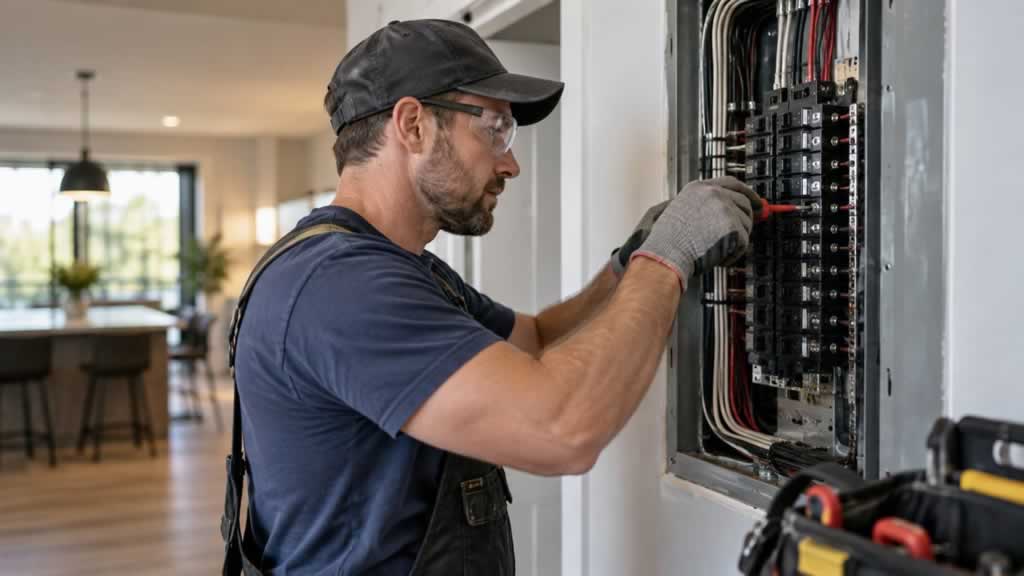
Most homeowners think about replacing old outlets, but fewer think carefully about where new ones should go.
Older houses were designed for a time when a lamp, television, and maybe a clock radio covered most everyday electrical needs. Modern homes have routers, charging stations, laptops, smart speakers, air purifiers, kitchen gadgets, robot vacuums, and approximately seven chargers whose owners nobody can identify.
A renovation makes it much easier to add outlets before drywall and finishes go back in place.
Useful locations may include:
- both sides of the bed
- inside kitchen islands
- pantry areas
- bathroom vanities
- closets
- home office walls
- garage work areas
- outdoor living spaces
USB or USB-C receptacles can also make sense in selected locations, though standard outlets still provide more flexibility as charging technology changes.
Outlet placement should follow the way the room will actually be used. A perfectly installed receptacle hidden permanently behind a built-in cabinet is not particularly helpful.
The same applies to switches. Renovations are a good time to reconsider awkward switch locations, add multi-way switching, or prepare for smart controls.
2. Dedicated Circuits for Modern Appliances
New appliances often use more power—or use power differently—than the equipment they replace.
A kitchen renovation is a common example. Homeowners may add a larger refrigerator, induction cooktop, wall oven, microwave, wine cooler, dishwasher, or several countertop appliances. Laundry rooms may gain higher-capacity machines. Garages are increasingly used for EV charging, freezers, workshops, or fitness equipment.
Some of these devices require dedicated circuits. Others may expose existing circuits that are already carrying too much.
This is why electrical planning should happen before appliances are ordered whenever possible. Product specifications can determine circuit size, voltage requirements, outlet placement, and other details.
It is not much fun discovering that the new range needs electrical work after it has already been delivered and is sitting in the middle of the kitchen like an extremely expensive table.
Planning dedicated circuits in advance also makes the electrical system easier to manage and reduces the temptation to rely on extension cords or overloaded receptacles later.
3. Preparing for Future Electrical Loads
A renovation should not only support what the household uses today. It should also leave reasonable room for what may be added later.
Several trends are steadily increasing residential electrical demand:
- electric vehicles
- heat pumps
- electric water heaters
- induction cooking
- solar systems
- battery storage
- accessory dwelling units
- home workshops
- larger home offices
Not every homeowner needs all of these. But if one or two are realistic possibilities, it is worth mentioning them during the renovation.
For example, running conduit to a garage during construction may be relatively simple. Doing the same thing after finished walls, landscaping, or paving are in place may be much more disruptive.
Likewise, leaving capacity for a future heat pump or EV charger can prevent another round of electrical work later.
Future-proofing does not mean installing every technology available. It simply means avoiding obvious dead ends.
4. Checking Whether the Electrical Panel Can Handle the Plan
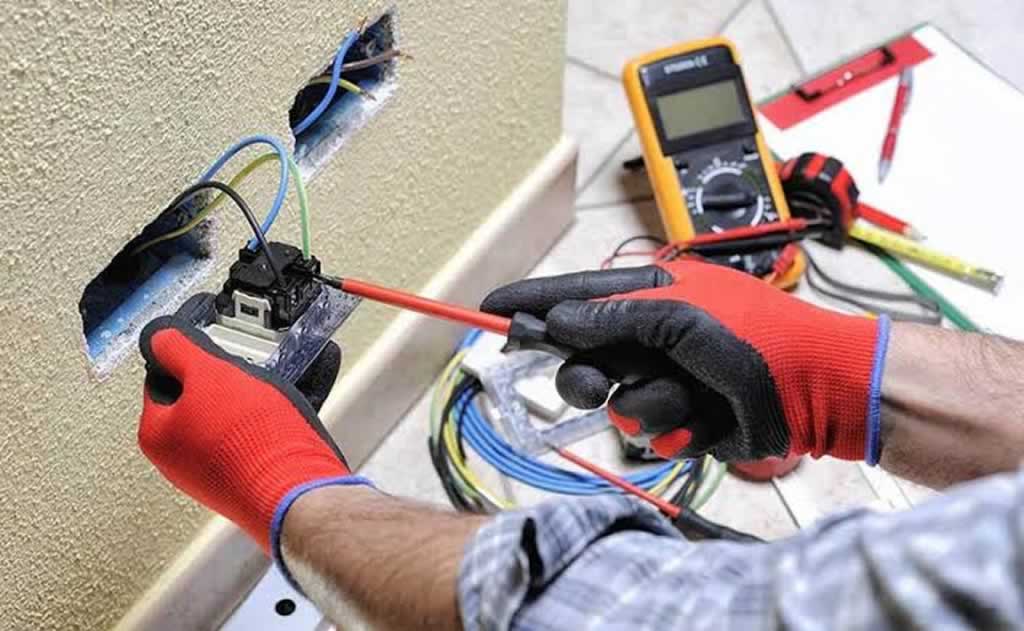
One of the most commonly overlooked parts of a renovation is the electrical panel.
Homeowners naturally focus on what is happening inside the rooms being remodeled, but every new circuit ultimately leads back to the panel.
A panel may become a problem if it is already crowded, lacks appropriate capacity, contains aging components, or simply cannot support the number of new circuits being proposed.
That does not mean every renovation requires a new panel. Sometimes the existing equipment is perfectly adequate.
In other cases, electrical panel replacement may be worth considering as part of the larger project, especially when several major electrical loads are being added at once.
The key is to evaluate this early.
If the panel needs to be upgraded, coordinating the work with the remodel is usually easier than treating it as a separate project months later. It may also influence other decisions, including circuit layouts, equipment placement, and future expansion.
For larger projects, homeowners should think of the electrical panel as infrastructure rather than just another metal box in the garage.
5. Lighting Infrastructure, Not Just Light Fixtures
Lighting is often treated as a decorating decision. In reality, the wiring behind the fixtures can matter just as much as the fixtures themselves.
A renovation is a good opportunity to improve lighting layers rather than simply replacing one ceiling fixture with another.
That might include:
- recessed lighting
- under-cabinet lighting
- task lighting
- accent lighting
- exterior lighting
- dimmer controls
- additional switches
- separate lighting zones
The electrical layout should reflect how different parts of the room are used.
A kitchen, for instance, may need general lighting for the room, task lighting over work surfaces, and softer lighting for evening use. Putting everything on one switch technically works, but it often produces an all-or-nothing result.
Homeowners may also want to consider where smart switches or automated lighting could be useful. Even if smart devices are not installed immediately, the wiring and switch locations can be planned to keep options open.
For larger remodels or mixed residential-commercial properties, it can also make sense to consult a commercial electrician in Sacramento when the project includes more complex loads, dedicated equipment, workshops, offices, or spaces used for business purposes.
Think Beyond the Finishes
Renovations are expensive enough without paying to redo work that could have been handled the first time.
Electrical upgrades are easy to overlook because most of the system disappears behind walls, ceilings, cabinets, and finished surfaces. But that is exactly why renovation is the ideal time to think about them.
Extra outlets, dedicated circuits, future capacity, panel condition, better lighting infrastructure, and sensible planning for new technology can all make a remodeled home more practical long after the paint has dried.
The best renovation is not just the one that looks better on completion day. It is the one that works better five or ten years later, when new appliances, new technology, and new needs inevitably show up.
A little electrical planning during construction can save homeowners from opening the same walls again—which is usually a far less exciting renovation project the second time around.