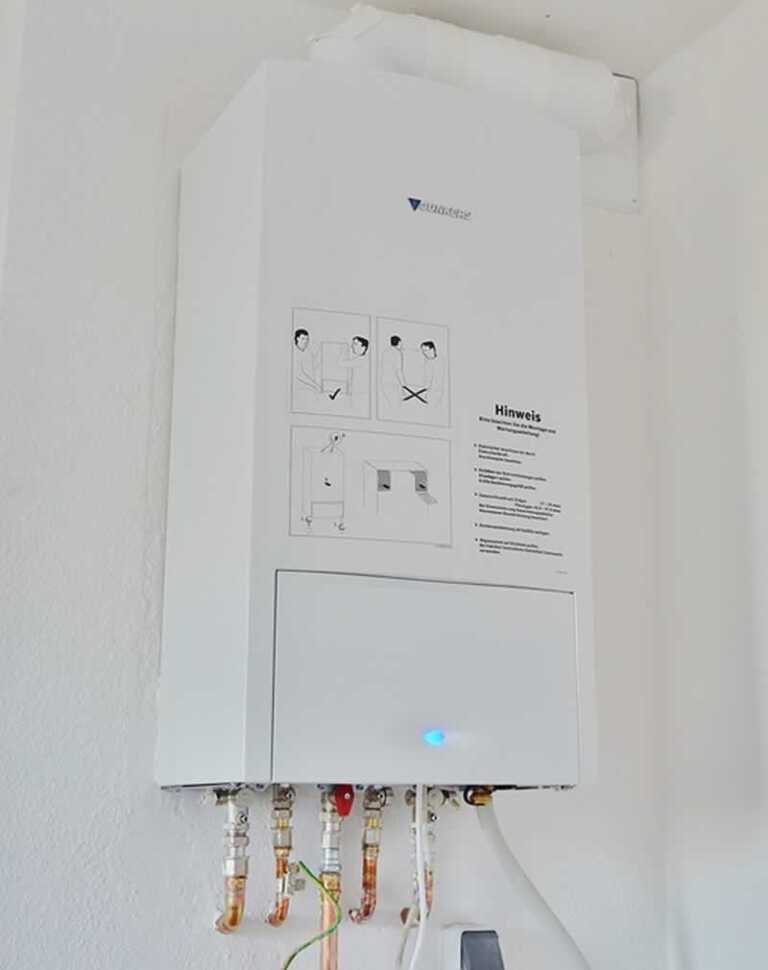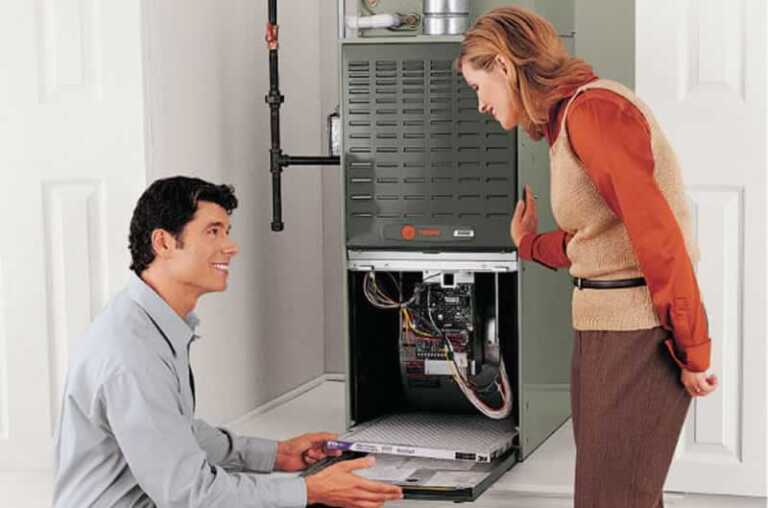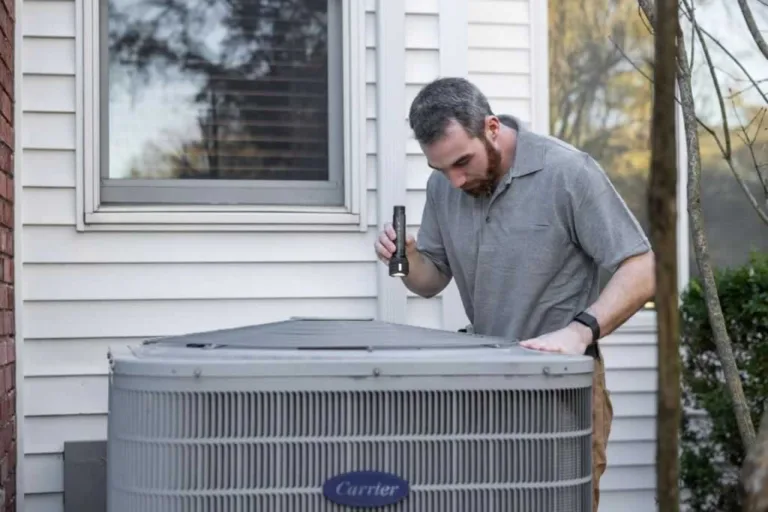
With winter right around the corner, you might be thinking of upgrading your home’s heating system. But with all the different types and brands of heaters on the market, it can be tough to decide which one is right for you. There are many factors to consider when making this decision, such as cost, type of fuel, and maintenance requirements.

To help you make an informed decision, we’ve put together a list of five tips for choosing the most efficient heating system for your home.
1. Consider Your Fuel Options
One of the first things you need to do when shopping for a new heating system is to decide which fuel you want to use. Professionals in furnace tune-up by Mister Quik Home Services note that the most common options are natural gas, electricity, propane, and oil. Each has its own pros and cons in terms of cost, efficiency, and environmental impact. For example, natural gas is typically the most affordable option, but it can also be the least efficient. Electricity is usually more expensive than gas, but it doesn’t produce any emissions. Propane and oil are usually somewhere in between gas and electricity in terms of cost and efficiency. You’ll want to discuss your options with a heating professional to see which type of fuel is best for your home and budget. The type of fuel you choose will also affect the type of heating system you can buy.
2. Compare Initial Costs and Operating Costs
The unit’s initial cost is important, but you also need to consider the long-term operating costs of the home heating system. For example, a more expensive unit may have a higher initial cost, but it may be more energy-efficient and therefore cost less to operate over time. Use a cost calculator to compare the initial and operating costs of different units before making your final decision. For instance, an electric furnace with an upfront cost of $2,000 and an annual operating cost of $973. A gas furnace with an upfront cost of $3,000 and an annual operating cost of $865. In this case, the more expensive gas furnace would actually be cheaper to operate in the long run. This is just one example, so be sure to do your own calculations before making a purchase.
3. Choose the Right Size Unit
Another critical factor to consider is the size of the unit. If you choose a unit that’s too small, it won’t be able to heat your home properly. Conversely, if you choose one that’s too large, it will use more energy than necessary and cause your utility bills to increase. An HVAC contractor can help you determine the right size unit for your home based on its square footage and insulation levels.

4. Consider Efficiency Ratings
When shopping for a new heating system, consider its energy efficiency rating. The most common rating is AFUE (annual fuel utilization efficiency), which measures how much of the fuel’s potential energy is actually used by the furnace to heat your home. The higher the AFUE rating, the more efficient the furnace is. Another rating to look for is HSPF (heating season performance factor), which measures how well a heat pump heats your home during the winter months. An AFUE rating of 80% means that for every dollar you spend on fuel, 80 cents worth of heat is generated. A furnace with a 90% AFUE rating produces 90 cents worth of heat for every dollar spent. Depending on fuel prices and the size of your home, a more efficient furnace can save you hundreds of dollars each year in operating costs.
5. Get Multiple Quotes Before Making a Final Decision
According to the experts from furnace repair in Burnaby, don’t just choose the first heating system you come across or go with the first contractor you get a quote from. Get multiple quotes from different contractors so that you can compare prices, find out what types of units they recommend, and get a feel for their customer service. Once you’ve done your research, you’ll be able to make an informed decision about which heating system is right for your home.
Do Your Research in Advance
These are just a few things to keep in mind when shopping for a new heating system. Doing your research ahead of time will help you make an informed decision about which type of system is right for your home. Consultations with a few different heating contractors will also give you a better idea of what to expect in terms of cost and installation.