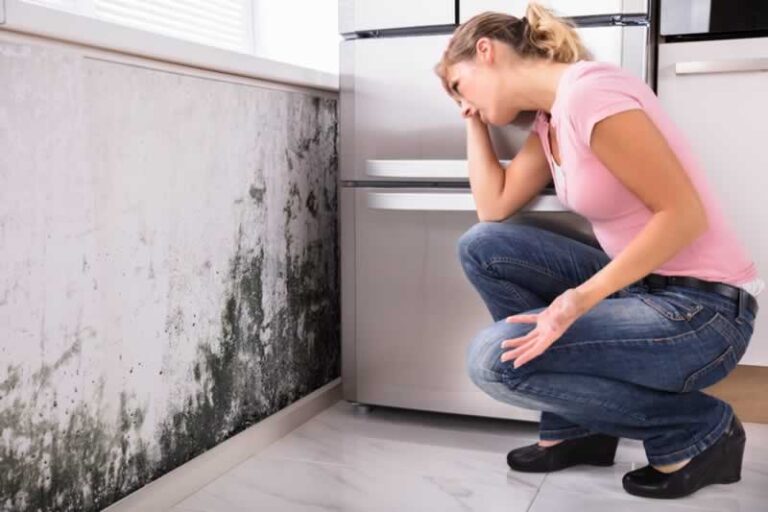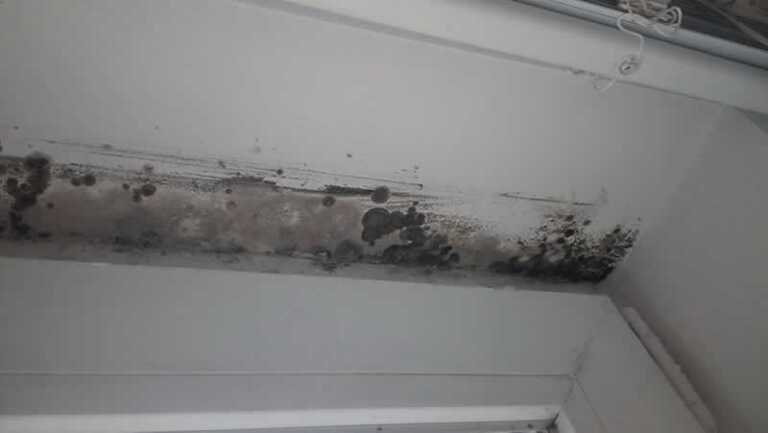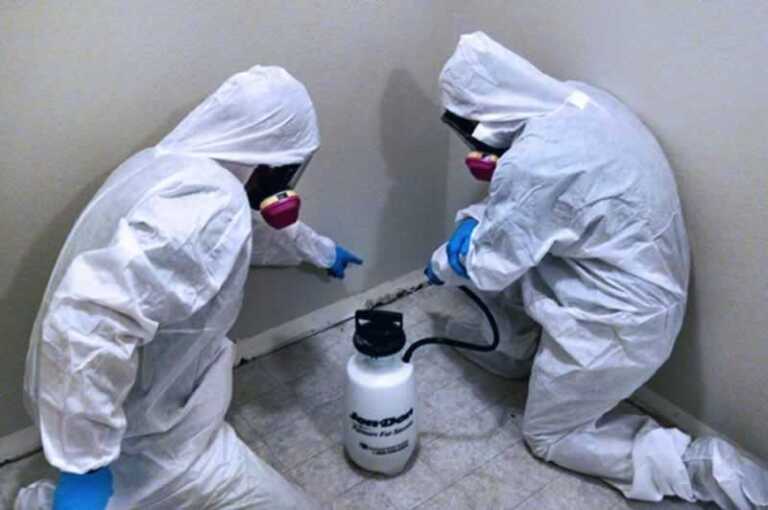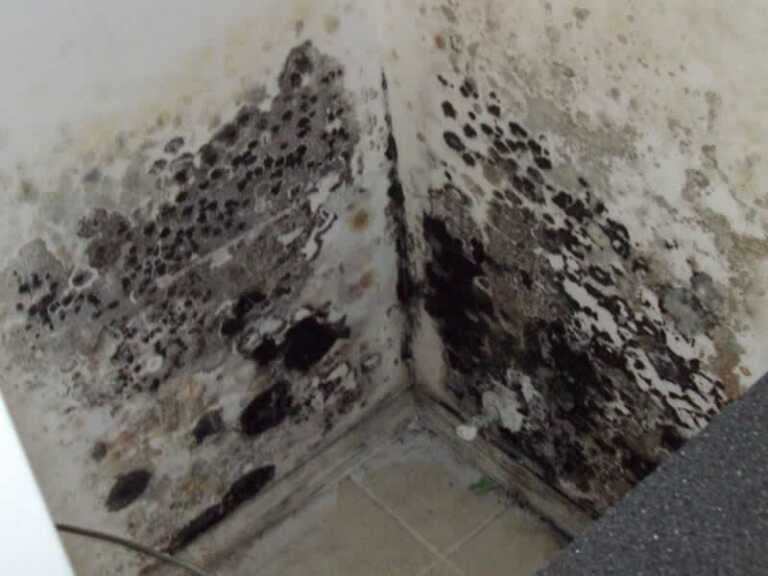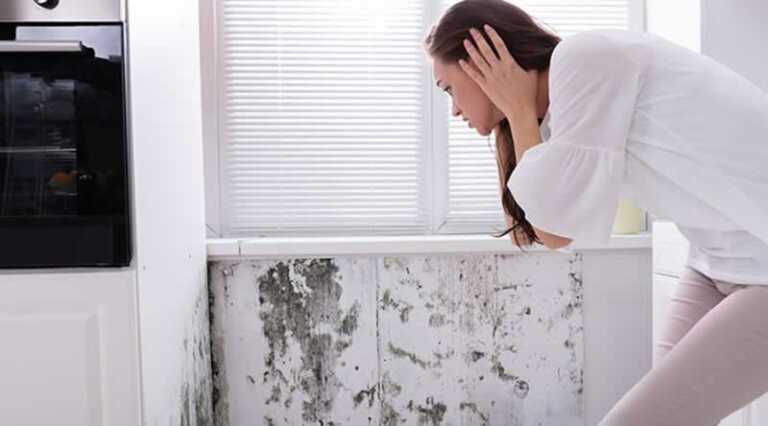
Mold can be a huge issue in homes and businesses. If you have ever had to deal with mold removal, you know just how important it is to get rid of every trace of the fungus. But what happens if mold starts growing again after remediation? Is it possible for mold to grow back after it has been removed? Ideally no, mold should not grow back after a remediation process. Mold remediation is a detailed process that involves completely eradicating the mold from all parts of your house. In addition, the remediation company applies sealant to ensure that mold doesn’t grow back immediately.

But despite the steps taken by the remediation experts to completely eradicate mold from an establishment, there have been instances where mold growths have been observed after the remediation process. Here are a few probable causes of mold regrowth after remediation.
The moisture problem has not been addressed: One of the main reasons mold starts growing in an establishment is high moisture levels. If the source of the moisture is not fixed, mold will likely start growing again. Remember, mold itself is not a problem but rather an effect. If the moisture problem has not been addressed, mold will likely grow back.
Mold was hidden and not removed: Mold can sometimes be hidden from plain sight and difficult to remove. In such cases, it is possible that some mold spores might have been left behind and can grow into a full-fledged mold colony.
The building is not ventilated properly: Another reason why mold might start growing again is due to a lack of ventilation. If the building is not properly ventilated, moisture can build up and lead to mold growth.
The environment was not dried out properly: It is important to dry out the environment completely after a remediation process. If the area is not dried out properly, mold can grow again.

There was cross-contamination: Cross-contamination occurs when mold spores are transferred from one area to another. This can happen if proper protocol is not followed during the remediation process.
Incomplete remediation: In some cases, mold remediation companies don’t do a thorough job of removing all the mold from an establishment. If even a small amount of mold is left behind, it can start growing again and cause problems.
Poorly done remediation: Mold will likely grow back if the remediation process is not carried out properly. This is why it is important to hire a reputable and experienced company for the job.
You tried DIY repairs for the first time: Mold remediation is complex and should only be carried out by experienced professionals. If you try to do it yourself, you might not be able to remove all the mold, and it can start growing back again.
There are several reasons why mold might start growing again after remediation. If you have had mold removal done and are concerned about the possibility of mold regrowth, be sure to ask your remediation company about their procedures and what steps they take to prevent mold from growing back. Taking these precautions will help ensure that mold doesn’t become a problem in your home or business again.
What precaution should you take to prevent mold a possible mold regrowth?
You should always consult with a certified mold remediation specialist to ensure that all the mold has been removed from your home. When selecting a company, you must go with someone who has a ton of experience working on mold and mold remediation. You should also take measures to prevent moisture and water damage, as these are the main conditions that lead to mold growth. In addition, you should keep an eye out for any signs of mold regrowth, such as musty odors or visible mold growth. If you are serious about preventing future mold, it is always a good idea to maintain your humidity levels at 50% or below 50%. That way, you won’t have to worry about possible regrowth.
Why shouldn’t you try to DIY mold remediation for the second time?
If you tried DIY mold remediation for the first time, it will probably come back. The best way to get rid of mold is to hire a professional company specializing in mold remediation. They will have the proper equipment and experience to remove all the mold from your home. In addition, they will also be able to take measures to prevent it from coming back. So, if you want to get rid of mold for good, it’s best to leave it up to the professionals.
Mold remediation is a complex process that should only be carried out by experienced professionals. If you try to do it yourself, you might not be able to remove all the mold, and it can start growing back again. If you see or smell something suspicious, contact a professional.