

Constructing a self-storage facility has its own unique set of construction challenges which differs greatly from the residential and conventional commercial projects. Industrial spaces refer to places where goods are manufactured and sold. But such a space needs to be proper like the industrial buildings, retail spaces, specialized storage facilities that are set up. Also, creating such industrial spaces do take a lot. Ultimately, the tenant must utilize it well. But owner returns must be maximized too.
By learning the basics of its construction, contractors, developers, and hands-on owners can successfully deal with this specialized type of building.
Many trades are involved in the self-storage construction process to convert raw land into a functional facility. The construction sequence refers to the scheduling of construction activities and the settlement and completion stages of a site. No matter if you want to be a contractor in the market or want to build your own facility, all the basics are helpful for the project.
Site Preparation and Foundation Work
A proper site preparation forms the basis of everything that follows in a storage facility construction. Site surveys show things like topography, soil, appliances and utility connections before a development is done. The site will be shaped to offer space for buildings, access drives and stormwater management features as per the approved site plans with the operation of clearing and grading.
The soil condition affects foundation design and construction method. Geotechnical investigations can reveal the bearing capacity, groundwater levels and other issues like expansive soil or contamination that require management. Engineers can use these findings to specify an appropriate foundation system, whether that be a simple slab-on-grade, piers and beams, or something more complex if speculated for a challenging site.

Utility installation requires proper coordination with local providers and compliance with relevant codes. Before paving or buildings are built, the underground electrical, water, sewer, gas and telecommunications infrastructure need to be properly located and installed. Utility routing must be strategically planned to avoid crossings and allow for maintenance or extension of these systems without disrupting functionality.
Foundation Systems and Concrete Work
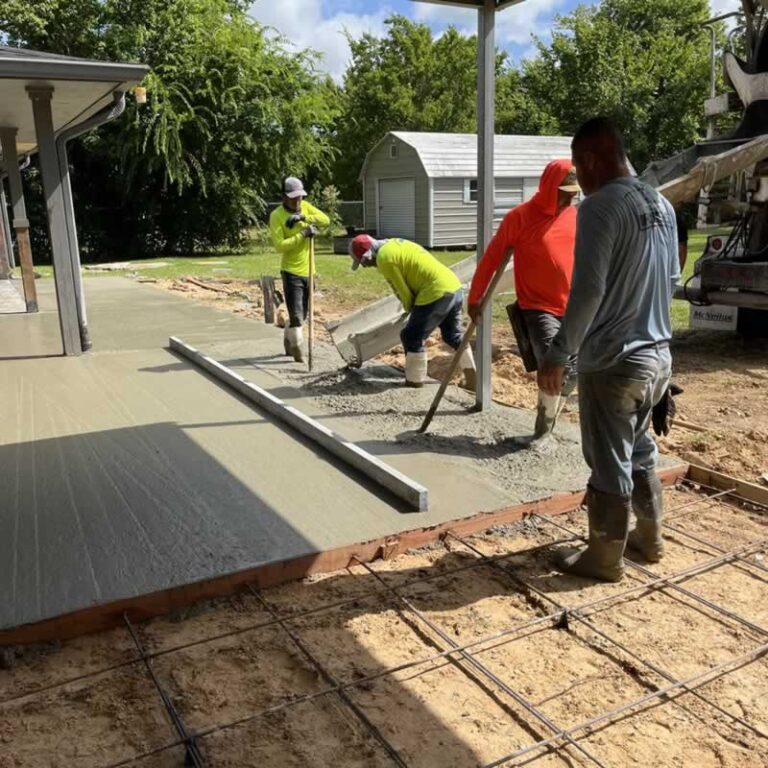
Most self-storage facilities have a slab-on-grade foundation which is a structural element that serves as a finished floor. It is essential to compact and place aggregate base courses properly. This prevents future settlement and its problems. It prevents moisture that can damage goods stored inside or the materials of the controlled environment facility from rising from the ground.
When putting down concrete there are lots of details that will affect performance down the line. A durable slab, which does not crack and break down, results from the correct technical mix design for the right climate, exposure conditions, and use of the slab. Control joints strategically installed at regular intervals allow for the shrinkage of concrete and its cracking, directing jagged cracks away from random occurring in the slab at predetermined locations.
How concrete finish can affect a concrete surface. You can use power troweled finishes if you want a sturdy and durable surface for storage units. Smoother finishes may be acceptable for climate-controlled interior spaces in some cases, and excess smoothness creates slipping hazards when wet. Water does not pool in areas exposed to weather due to the sloped floors that lead to drains.
Steel Building Systems and Structural Erection
Most self-storage buildings are made from pre-cut metal. They are easy to install. Wherever pre-manufactured systems are utilized to construct infrastructure such as bridges, roads and multi-storey buildings in place of dirty on-site conventional building system construction in India. When you work with a self storage builder with experience, that individual will properly select and engineer the systems for your project and will coordinate building suppliers and building erection contractors.
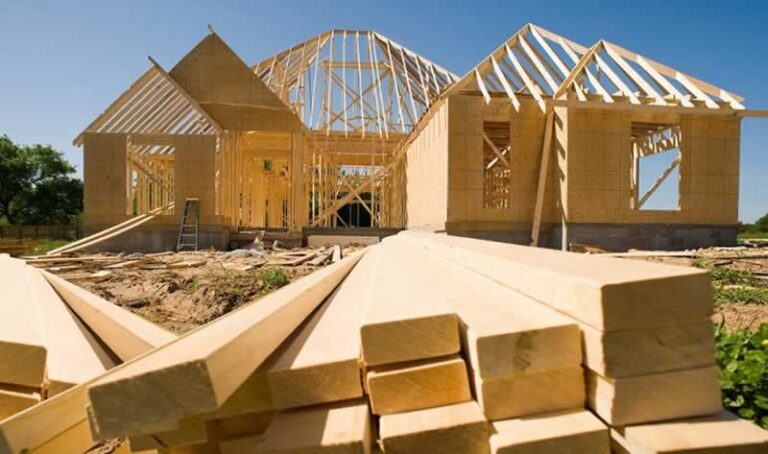
Structural steel erection follows logical sequences starting from the anchor bolt installation and column location and primary framing. When operating a crane careful planning must be done about site access and adjacent structures and weather. Skilled erection crews work effectively and maintain a strict focus on safety and quality control to ensure structural integrity.
Before wall and roof panels are put in place, there is a structural skeleton formed by secondary framing systems. These components should be aligned and connected properly to ensure the building will perform as designed to wind, snow, and seismic loads. Quality control inspections ensure that connections are torqued to specification and framing members are correctly positioned before enclosure.
Building Enclosure and Weatherproofing
In most of the storage facilities, the weather barrier largely consists of a metal wall and roof panel. When installed properly according to the manufacturer’s specifications, the panels interlock to form water resistant assemblies. If you begin installation at the right locations and maintain proper overlap, fastener spacing, and sealing details, it will prevent water from infiltrating the stored goods and building systems.
Components like trim seal the edges of the building, transitions, and penetrations that have the most weather exposure. Trim on rake, eaves, corners and openings of flashing shall be tightly fitted and sealed to the element. Using the correct sealants and appropriate installation sequences data will protect your weatherproofing for hours. Inspections during installation help identify problems before succeeding trades cover them.
Due to their size, operation, and seal complexity, overhead doors are unique weatherproofing challenges. Quality door systems with weatherstrip prevent air and water infiltration while operating properly for thousands of cycles. The door will work better and last longer if it is installed correctly and properly aligned.

Interior Buildout and Unit Separation
Layouts of corridors for the unit must use land efficiently but allow for comfortable customer access and compliance with codes. The corridor widths must be adequate to allow moving carts and furniture while door swings must not interfere with the adjacent units. Making units the size the market wants and the building’s footprint as small as possible is the goal.
Partitioning of unit uses light framing systems for quick installation and reconfiguration due to market changes. Normally, partitions do not require load-bearing capacity. Nevertheless, they must reach the roof structure to maintain security separation between units. Wire mesh, metal panels and hybrid systems provide varying degrees of security, cost, and installation speed to fit various facility types and budget points.
Buildings meant for climate control need to be insulated properly with relevant corridors making the whole building stay at the same temperature and with the same humidity. In climate-controlled buildings, interior unit partitions need not provide thermal separation but must integrate into suspended ceilings and into lighting systems for professional appearances. Small details in these finishes offer a differentiation between premium facility and basic storage.
Electrical Systems and Lighting Installation
The electrical system of a warehouse supports light, access control, HVAC, security system, etc. When the service capacity is determined, it must be able to accommodate the existing loads and also allow spare capacity for future expansion as the facilities will add features or will increase the unit density. Electrical rooms and distribution panels should be placed in locations that minimize the lengths of circuits but maintain accessibility for maintenance.
Lighting installed in corridors and units should neither make the space too bright nor too dark. Compared to older technologies, LED fixtures are more efficient and need less maintenance, making them the norm. Light controls like occupancy sensors and time clocks eliminate waste by ensuring lights come on only when necessary.
When there is individual unit electrical service, it is typically limited to outlets which allow tenants to power up their tools during access or maintain battery chargers for stored equipment. All circuits must have adequate ground fault protection. If costing will be recovered from tenants, they should be separately metered. Labeling and documentation enable maintenance staff to rapidly troubleshoot issues when they arise.
Access Control and Security Systems
Today’s self-storage facilities have invested heavily in electronic access control systems allowing for unmanned operation while securely restricting access. Gate systems with keypads or card readers confirm tenant identity before property entry. The log their entries and exits for all activities on the premises. Thus, a record is made that is useful. It helps ease any security investigations and runs through the regular use of the facility.
Safety of the inmates is enhanced with the use of individual unit door alarms which will activate upon unauthorized access. These systems are integrated into central monitors which inform the operator of incidents. To prevent the facility from looking poor due to the installation of surface mounted components and to avoid maintenance issues,corridor work must start at the same time as the alarm loops installation work.
Video surveillance cameras can monitor the activities in a property and thus, deter crime, crime and provide critical evidence if such incidents take place.
Cameras must be positioned to cover all access points, corridors and access/egress routes with the least blind spots. When network video recorders have enough capacity, footage is kept for investigation purposes. The duration varies according to operator policies and local requirements.
Paving and Site Improvements
Access drives and parking areas should be paved to take in the vehicle traffic of moving trucks and RVs at some facilities. Asphalt is still the most widely used paving material because of its cost and performance. If the subgrade is properly prepared and the pavement has sufficient thickness, premature failure requiring expensive repair or replacement can be avoided.
Concrete paving is more expensive than asphalt, but it offers better durability and requires less maintenance. Because of the higher cost, it is used only in high traffic areas or premium facilities. Reinforced concrete drive aisles are designed to withstand heavy vehicle damage while offering many years of service with little maintenance. Decorative concrete options improve the curb appeal of facilities in markets where appearance influences purchaser decisions.
Landscaping, perimeter fencing, and signage are site amenities to support the construction. Fences protect your property while making your property line clear. Landscaping that improves the appearance of the site, screens it from adjacent properties, and complies with local landscaping by-law.
Directional signage is a monument sign that guides the customer to the facility and through the properties.
Quality Control and Project Closeout
Systematic quality control during construction prevents deficiencies that hurt performance or lead to costly fixes.
When corrections are straightforward, regular inspections by the project manager assist in identifying issues. Rather than after subsequent trades have covered the work. Recording these inspections provide evidence that the quality was maintained in the execution of the works to be able to utilise their warranty if a defect appears after completion.
Final inspection confirms that all systems work correctly before handing over the facility to operations. Testing the access control, the security cameras, lighting controls, HVAC systems and the fire protection ensures that they are operational as of day one. Fixing anything that is wrong when working on the punch list keeps customer complaints from happening and keeps the project looking good during the critical lease-up phase.
Comprehensive operations and maintenance documentation gives facility operators the information they need for effective ongoing management. The manuals, warranties, as-built drawings, and how to run the systems. When the operations staff is properly trained on the building systems and maintenance needs, it helps to prevent problems caused by improper usage or neglecting important maintenance items.
In order to ensure a successful self-storage construction, there are many specialized trades that need to be coordinated in addition to creating facilities that effectively serve the tenants while generating attractive returns for the owners. When contractors understand the basics of how things go together, they are able to construct a strong project. This not only helps an owner make informed decisions but also achieves a good outcome.


Great tips shared on HandymanTips! The advice is practical, easy to follow, and really helpful for anyone looking to handle home repairs confidently.
Great post on Handyman Tips! The advice shared here is very practical and easy to follow, especially for everyday home repairs. I really liked how the tips focus on simple tools and smart techniques that save both time and money. This kind of guidance is very helpful for homeowners who prefer quick DIY fixes before calling a professional. Keep up the great work—looking forward to reading more useful handyman tips!