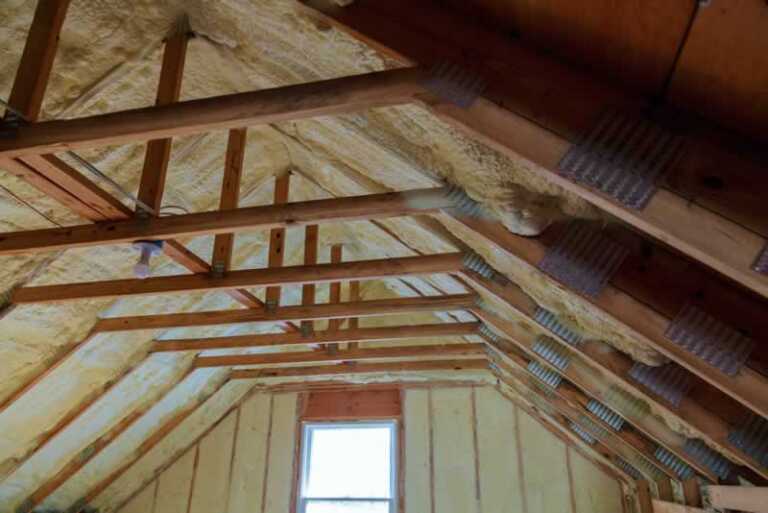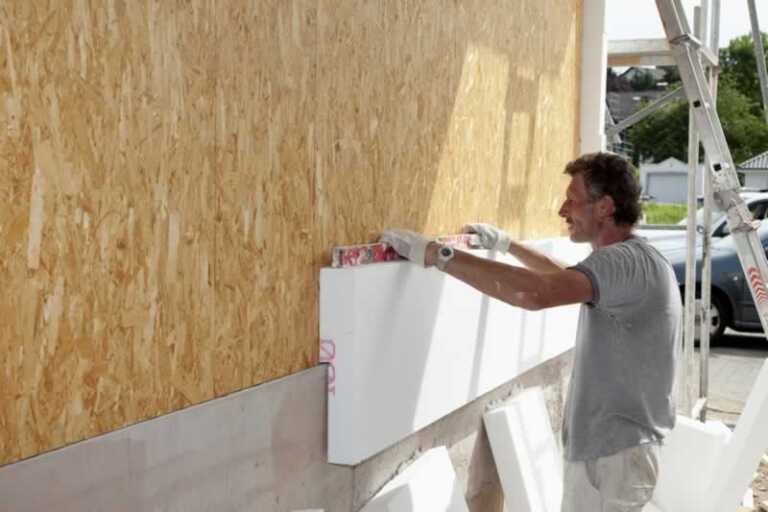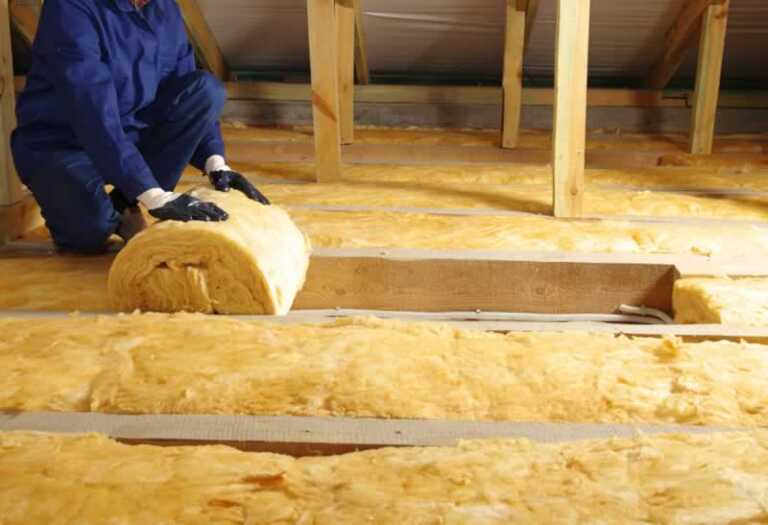

Creating a workshop that stays comfortable and efficient year-round requires more than just a good heater or fan; the proper insulation is essential. If you’re looking to keep out winter chill, summer heat, and moisture with one smart solution, vinyl-faced metal building insulation options stand out as one of the most effective ways to weatherproof your workspace. Here’s everything you need to know about why vinyl-faced insulation is a workshop game changer—and which options are best suited for your needs.
Why Choose Vinyl-Faced Insulation for Workshops?
Workshops housed in metal buildings face unique insulation challenges—unlike wood-framed homes, metal sheds and garages transfer heat quickly and are prone to condensation. Vinyl-faced metal building insulation options offer several key benefits over traditional batts or foam boards:
- Moisture Control: The vinyl facing acts as a vapor barrier, dramatically reducing condensation—the number one culprit behind rust, mold, and damaged tools or projects.
- Thermal Efficiency: Fiberglass or mineral wool insulation, wrapped in vinyl, resists both heat loss in the winter and heat gain during scorching summers.
- Easy Installation: Typically supplied in rolls, vinyl-faced insulation can be quickly draped over purlins and girts before attaching metal wall or roof panels, making it a straightforward project for DIYers or contractors.
- Clean Look & Durability: The bright white vinyl facing not only enhances interior lighting but also provides a durable, puncture-resistant, and easy-to-clean surface—perfect for busy, dusty workshops.
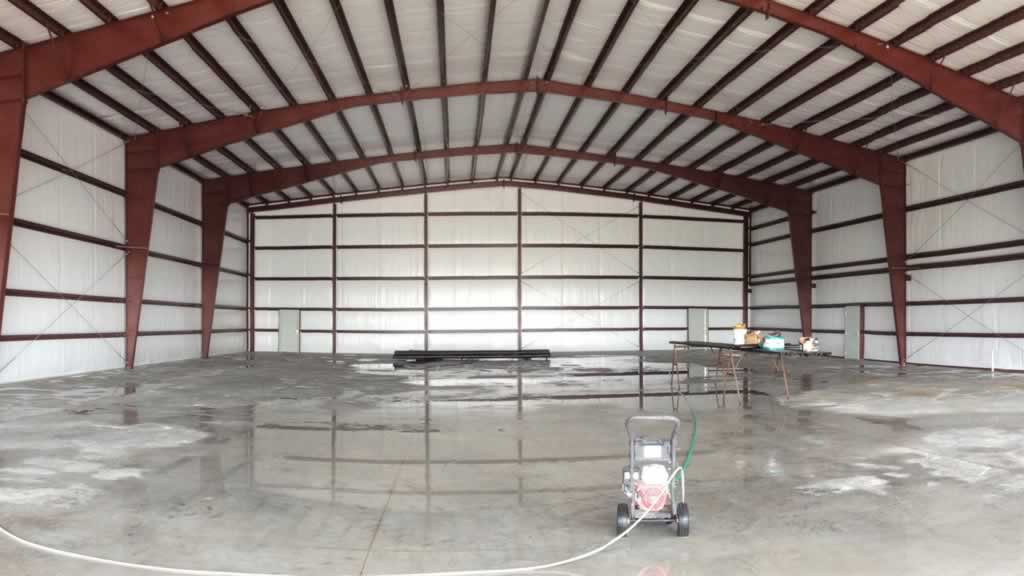
Understanding Vinyl-Faced Insulation Structures
Most insulation options use a fiberglass core laminated with a reinforced vinyl vapor barrier. Here’s what that construction means for your workshop:
- Thermal Performance: Standard fiberglass batts used in these systems offer R-values from R-7 to R-19 or higher, delivering insulation tailored to your local climate and energy needs.
- Vapor Protection: The laminated vinyl creates a continuous barrier, preventing outside humidity and inside condensation from reaching metal surfaces and your project materials.
- Strength: Many modern vinyl facings are reinforced with fiberglass or polyester scrims, making them tear- and puncture-resistant—ideal for high-traffic workspaces.
Top Insulation Options
1. WMP Series (WMP-VR-R Plus, WMP-10, WMP-30, WMP-50)
These are among the most popular and widely recommended options for metal buildings:
- WMP-VR-R Plus: Features a reinforced polypropylene vinyl facing and metallized polyester layer for ultimate vapor control and puncture resistance.
- WMP-10: Versatile, reliable, and flame-resistant—suitable for most workshop needs.
- WMP-30 & WMP-50: Heavy-duty options with thicker vapor barriers for demanding climates or high-humidity areas, such as woodworking or auto shops.
2. Foil-Fiberglass-Vinyl Hybrids
Combining reflective foil on one side and vinyl on the other, these rolls boost R-value with radiant heat protection in sunny climates. The aluminum foil reflects up to 95% of radiant heat, while the vinyl safeguards against condensation and surface damage. Perfect for well-lit, south-facing workshops looking for dual thermal benefits.
3. White Vinyl-Faced Fiberglass Rolls
A classic choice for post-frame and pole barn workshops, these rolls (often in 2.5–6 inch thicknesses) are affordable, quick to install, and deliver a clean finish inside your shop.
Installation and Performance Tips
- Seal Seams: Use patch tape designed for vinyl-faced insulation to seal covers at joints and ensure a continuous vapor barrier.
- Match R-Value to Climate: Colder areas may need R-19 or higher, while milder climates can often do well with R-13 or even R-7, but more insulation always improves year-round comfort.
- Mind Moisture: Make sure not to trap excess moisture between layers of insulation. If adding more layers, consult a pro to avoid moisture issues or trapped vapor.
Bonus Benefits
- Energy Savings: Properly installed insulation lowers heating and cooling costs, reduces energy loss, and helps your HVAC system work more efficiently, leading to lower overall bills and a reduced carbon footprint.
- Sound Control: Vinyl-faced fiberglass batts also dampen sound, making for a quieter, more focused work environment, whether you’re running power tools or taking important calls.
Weatherproofing your workshop doesn’t have to be complicated or costly. With the right insulation, you’ll enjoy year-round comfort, lower energy bills, and protection from the wear and tear that can plague uninsulated, damp workshops. Whether you’re building new, upgrading an existing space, or just ready to make your hobby time even more enjoyable, investing in premium vinyl-faced insulation is a smart move that will benefit you year-round.
Ready to weatherproof your workshop? Explore the wide range of vinyl-faced insulation products available and build a workspace that stays cozy and dry, no matter what the weather brings outside.