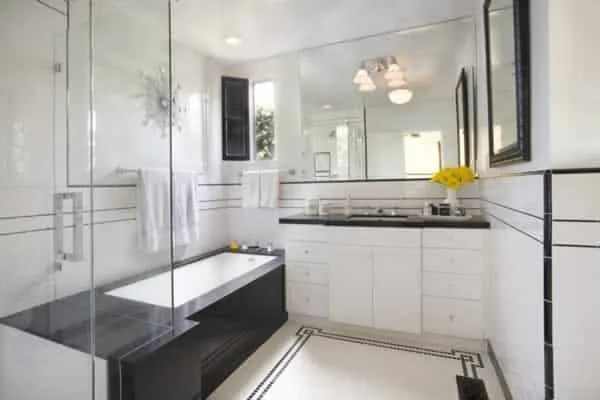

Transforming your bathroom can be an exhilarating adventure, but without the right guidance, it can quickly become overwhelming. Whether you’re a DIY enthusiast or planning to hire professionals, there are essential bathroom installation tips that can make or break your project. From choosing the right fixtures to understanding plumbing basics, every small detail counts in creating a space that’s not only functional but also a personal sanctuary. In this article, we’ll highlight ten crucial tips that you simply cannot afford to overlook. These insights will ensure that your bathroom installation goes smoothly, saving you time, money, and unnecessary headaches.
Understanding the Importance of Proper Bathroom Installation
Bathroom installation is more than just a home improvement project; it’s an investment in your everyday comfort and the overall value of your home. A well-installed bathroom not only enhances your daily routines but also ensures that you avoid any future issues such as leaks, mold, or structural damages. Proper bathroom installation involves meticulous planning, precise execution, and attention to detail. Each step, from selecting high-quality materials to ensuring effective plumbing and electrical work, contributes to the longevity and functionality of the space.
Understanding the importance of proper bathroom installation can’t be overstressed. Poorly executed installations can lead to a myriad of problems that can be costly and time-consuming to fix. Water damage, for example, can wreak havoc on your home’s structure, leading to mold growth and health issues. Similarly, improper electrical work can pose serious safety risks. Therefore, investing time and resources into getting the installation right the first time can save you from unnecessary headaches down the line.
Moreover, a well-installed bathroom can significantly boost your home’s resale value. Prospective buyers are often willing to pay a premium for homes with modern, well-maintained bathrooms. A high-quality bathroom installation reflects positively on the entire house, making it more appealing and marketable. Whether you plan to stay in your home for years to come or are considering selling in the near future, prioritizing a proper bathroom installation is a wise decision.

Installing your bathroom: Do I need a professional
Many DIY enthusiasts are proud of their DIY skills, but a professional plumber can help you do a better job. These plumbers are insured, and they have the right tools and equipment for the job. These professionals can also make sure the installation follows all building codes. While hiring a professional plumber can be costly, it’s worth it in the long run. Always hire affordable professional bathroom installer which gives you guarantees quality work. These professionals are highly skilled in bathroom installation, and they know exactly how to work with plumbing and fixtures. They’ll be able to tile the shower properly, set a sink, and make sure everything is up to code. If something goes wrong, a professional will be able to fix it right away.
A professional plumber will be able to install the new water and waste piping around the new bathroom. However, it’s important to check that you have enough space for the new bathroom. Typically, a bathroom has about 2 square meters, which is just big enough for a sink, toilet and a bathtub. If you’re a beginner at DIY projects, you can save money by hiring a professional. Professional contractors can finish the project in a fraction of the time that DIYers do. For example, if you’re remodeling a spare bathroom, hiring a professional can save you months or even years of time.
How to plan a bathroom
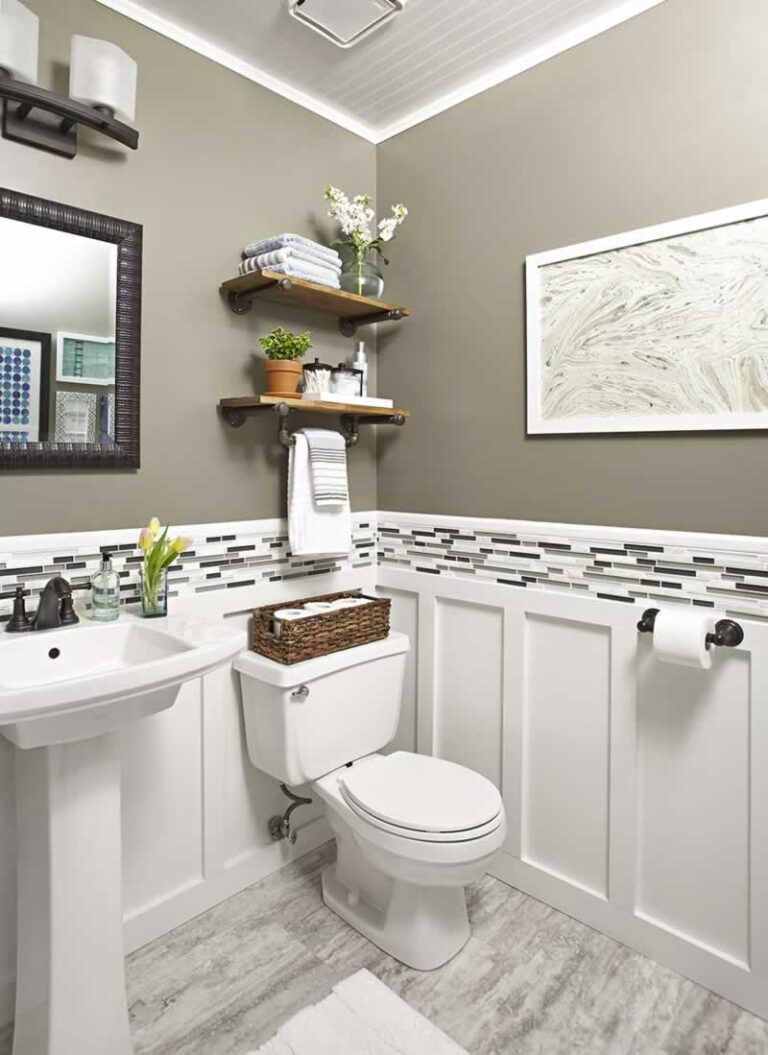
Bathroom planning is a crucial part of creating a beautiful bathroom. Start by deciding what design elements you want, then take the time to find inspiration online. Use sites such as Pinterest and Instagram to find pictures of bathrooms you like. Also, look through photos of bathrooms in hotels and restaurants. The bathroom design you choose should be something you absolutely love. Before you begin installing any fixtures, you need to measure the room and waterproof it. Installing large tiles in small spaces can create a spacious illusion, while using small mosaic tiles can make the space feel cozy. Be sure to keep the space clear around the doorway.
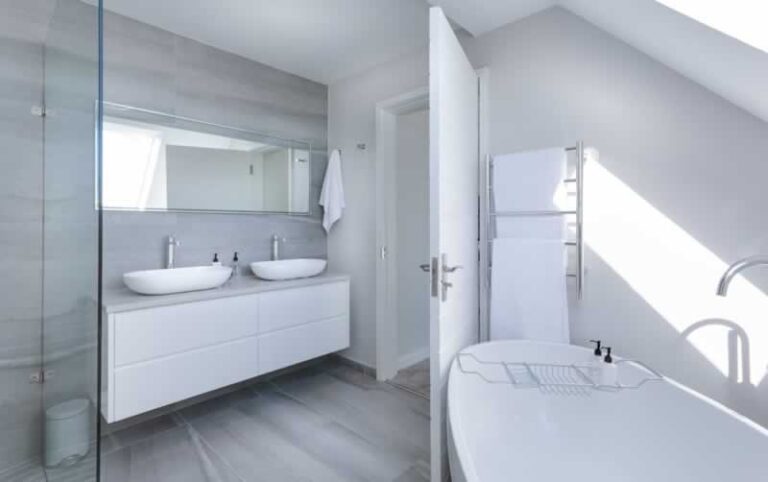
Consider how you use your bathroom every day. Will you need a place to sit to apply makeup, or a separate sink for your laundry? What budget do you have to spend? You should consider your needs and wants, and then budget accordingly. You can save money by keeping decorative items cheap, but sanitary ware is expensive. You should also take into account the style of your bathroom. If you live in an urban flat, for instance, a country cottage-style bathroom may not be possible. A bathroom layout that allows for privacy and security is important. The right placement of the toilet and the vanity can make a world of difference. Using a double vanity is ideal for small bathrooms, and it can add an extra storage space. If you have a larger space, you can add a walk-in shower, which can give you more space and a luxurious bathing experience.
Choosing the Right Fixtures and Materials
Selecting the right fixtures and materials is a cornerstone of successful bathroom installation. The fixtures you choose will set the tone for the entire space, influencing both its appearance and functionality. When selecting fixtures like faucets, showerheads, and lighting, prioritize quality and durability. These elements are used frequently and must withstand the rigors of daily use. Opt for reputable brands and materials that are resistant to corrosion and wear.
Material selection is equally important. From tiles to countertops, the materials should not only complement the design aesthetic but also be practical for a bathroom environment. Bathrooms are exposed to high levels of moisture and temperature fluctuations, so materials need to be water-resistant and easy to clean. Porcelain tiles, for example, are a popular choice for flooring and walls due to their durability and low maintenance. Similarly, quartz and granite make excellent countertop materials as they are both stylish and resilient.
Consider the overall design theme of your bathroom when choosing fixtures and materials. Whether you prefer a modern, minimalist look or a more traditional, ornate style, ensure that all elements work harmoniously together. Consistency in design creates a cohesive and visually appealing space. Additionally, think about the long-term appeal of your choices. Trendy fixtures and materials might look great now, but timeless designs will maintain their appeal for years to come.
What building regulations do I need to consider?
Before you start building a bathroom, you should check local building regulations. There are some things that you can self-certify, but other items require approval by the local building control authority. If the project requires structural changes or drainage improvements, Building Control will have to inspect the project. Also, ventilation may need to be installed before work can begin. A bathroom addition is a major building project, so you’ll need to plan and construct new drainage and waste pipes, and extend or connect central heating pipework. On more complicated projects it is advised to hire professional bathroom fitters to get the job completed properly. It could save you time and money in the long term.
The building regulations for a bathroom also apply to the drainage system, which must transport waste water to a sewer or septic tank. For toilets, the minimum required space is 30 inches from center to center, while sinks and showers require a minimum of 30 inches between the center of the bowl and the nearest opening. Bathtubs, on the other hand, don’t require any specific space requirements, but they must have at least 60 inches of clear floor space. Also, a 30 inch-wide space must always be provided for the plumbing. Ventilation is also a crucial aspect of a bathroom. A good exhaust fan must be installed to draw the exhaust air from the room. It should also be rated for at least 50 cubic feet of airflow. Bathroom exhausts should be vented outside of the building to prevent moisture damage. Bathroom exhaust vents should also be protected by a screen, grille, or louver.

How long does it take to install a bathroom?
There are a number of factors that can affect the length of time it takes to install a bathroom. One factor is who will be doing the work. If you have the time to do the work yourself, you can reduce the time required. However, if you have hired a contractor to complete the job, you may have to wait for a while. The length of time needed to finish a bathroom will vary from a few hours to a full day. The size of the bathroom and the complexity of the project should be taken into consideration. If the bathroom is relatively small and has basic fixtures, you can complete it in a day.
The tiling process will also take some time. Depending on the size of the tiles and the amount of grout, a bathroom tile job can take anywhere from two to seven days. The total time can also vary based on how intricate the tiles are. Various tile cuts require different skill levels and can add extra time to the overall installation time. Once the electrical and plumbing work are complete, the bathroom will be ready for its new accessories.
Average bathroom renovation costs
If you want to make a big change in your bathroom, you should know how much it can cost. A typical bathroom renovation project can cost between £5,000 and £10,000. This cost will depend on what you want to change. For instance, you may want to install a new vanity or basin. The materials for these renovations can cost upwards of £450. Bathroom renovations can also require professional help, which can add to the cost. The costs of hiring a general contractor are typically £300 to £400 a day. Plumbers and electricians charge an average of £1,000 to £2,000 in labor fees. Painters, meanwhile, charge about £1-£6 per square meter. A professional interior designer can cost an extra £150 to £500 for planning services.
Besides materials, other costs you should be aware of include painting and lighting. Also, you may want to install a fan to improve ventilation. If possible, you should add 10% to your budget to account for the cost of unexpected expenses. Generally, you should budget for the total cost of bathroom renovation before you start the work. While the renovation process itself can be expensive, you can save money by fixing old fixtures or adding new ones. You can also consider refinishing old fixtures or using an off-the-shelf solution instead of buying custom ones. Moreover, you can cut down on costs by buying parts yourself instead of hiring professionals.
Top Bathroom Installation Tips
If you’re re-tiling your bathroom, there are some important tips that can help you achieve the best look. First, consider the lighting in your bathroom. Choosing tiles that are too dark can create a space that feels enclosed. You want to create a relaxing, functional atmosphere, so be sure to choose tiles that are high-quality but that still match your overall decor. Also, consider adding smaller light sources, such as mirror lighting or candle sconces. In addition, you should avoid shadow-casting lighting. If you have windows in your bathroom, choose light fixtures with coordinated window treatments. It can be tricky to choose the right lighting for your bathroom, especially if the space is small and dark. In addition to overhead lighting, you should also consider accent lighting and task lighting. Choosing an appropriate lighting for your bathroom depends on your needs, budget, and style.
Another bathroom installation tip that will help you achieve the best results is using high-quality construction materials. These materials repel moisture and mold. You should also keep the bathroom’s walls free of water, which will help to maintain their structural integrity. Water damage to your walls and insulation can result in odors, stains, and even structural damage.
Our final tip is to avoid moving existing fixtures. This can add to the cost of remodeling the room. Besides, you can save money by buying new bathroom fixtures yourself. Choosing popular brands makes your project easier and less expensive. Choosing an unknown brand can be risky in the long run. Keep in mind that you may need to replace your pipes at some point, so it’s important to choose the right ones.
Common Mistakes to Avoid During Installation
Avoiding common mistakes during bathroom installation is key to ensuring a successful outcome. One of the most frequent errors is poor planning. Rushing into the installation without a clear plan can lead to costly mistakes and delays. Take the time to thoroughly plan each step of the installation, including measurements, material selection, and the sequence of tasks. A well-thought-out plan serves as a roadmap, guiding you through the process and helping you stay on track.
Another common mistake is neglecting the importance of proper waterproofing. Bathrooms are exposed to high levels of moisture, and failing to waterproof areas like the shower and around the bathtub can result in water damage and mold growth. Use high-quality waterproofing materials and follow best practices to create a watertight seal. This step is crucial for preventing long-term damage and ensuring the longevity of your bathroom.
Improper installation of fixtures is another pitfall to avoid. Fixtures that are not installed correctly can lead to leaks, poor functionality, and safety hazards. Follow manufacturer instructions carefully and use the right tools to secure fixtures properly. If you’re unsure about any aspect of the installation, don’t hesitate to seek professional assistance. Ensuring that fixtures are installed correctly is essential for both the functionality and safety of your bathroom.
Conclusion: Ensuring a Successful Bathroom Installation
Ensuring a successful bathroom installation requires careful planning, attention to detail, and a commitment to quality. From understanding the importance of proper installation to selecting the right fixtures and materials, each step plays a crucial role in the overall outcome. Avoiding common mistakes, considering plumbing and electrical aspects, and implementing effective waterproofing techniques are essential for creating a functional and durable space.
The final touches bring everything together, adding both aesthetic appeal and practical upgrades that enhance your daily routines. Whether you’re undertaking a DIY project or working with professionals, following these essential tips will help you achieve a bathroom that is not only beautiful but also built to last. Remember, a well-installed bathroom is an investment in your home’s value and your personal comfort, so take the time to get it right.
By following these ten essential tips, you can transform your vision into reality and create a bathroom that meets your needs and exceeds your expectations. With careful planning and execution, your new bathroom will become a sanctuary that you can enjoy for years to come. So, roll up your sleeves or call in the experts, and get ready to embark on the exciting journey of bathroom installation. Your dream bathroom awaits!