
For many homeowners, maintaining safety and independence in the bathroom becomes increasingly important with age or mobility challenges. Traditional bathtubs can present slipping hazards and make bathing difficult for individuals with limited mobility, balance concerns, or certain health conditions. Walk-in bathtubs are designed to provide a safer and more accessible bathing experience while allowing users to enjoy the comfort of a full bath. Before investing in one, it is important to understand the benefits, installation process, available features, and factors that can influence purchasing decisions. A well-chosen walk-in bathtub can enhance both safety and quality of life for years to come.

What A Walk-In Bathtub Is
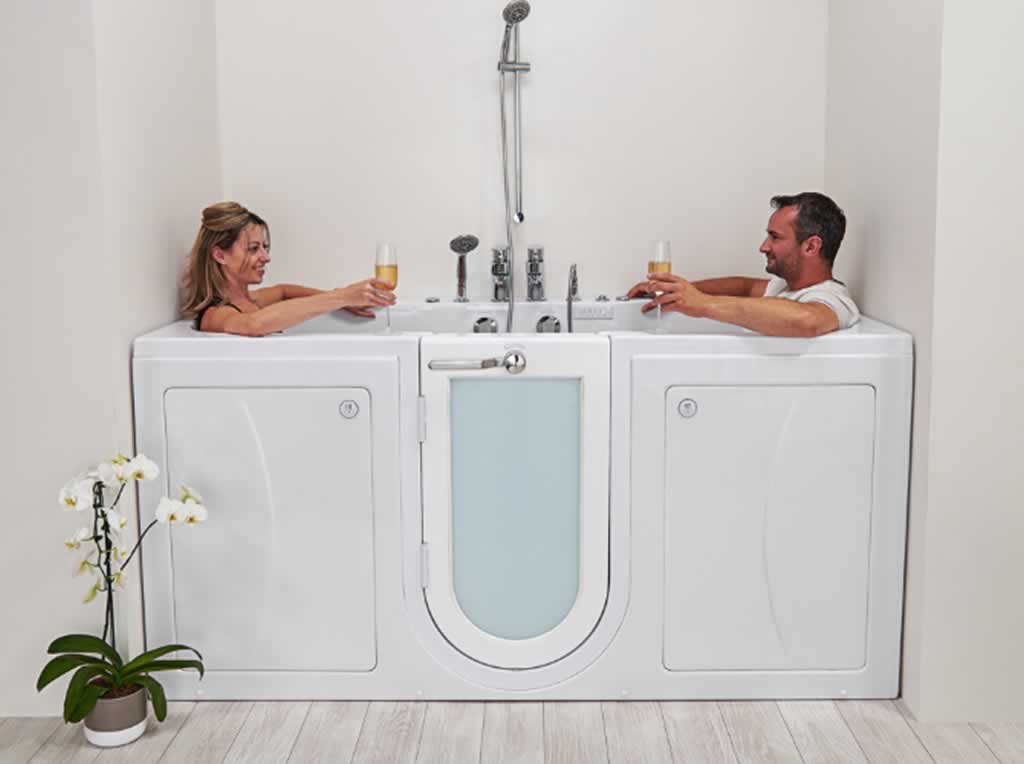
A walk-in bathtub is a specially designed tub that features a watertight door, allowing users to enter and exit without stepping over a high tub wall. Most models include built-in seating, grab bars, and textured flooring to help reduce the risk of slips and falls. These tubs are often used by seniors, individuals with mobility limitations, and those recovering from injuries or medical procedures. Their design focuses on accessibility while still providing a comfortable bathing experience. Many homeowners choose walk-in tubs as part of a broader aging-in-place strategy.
Who Can Benefit From A Walk-In Bathtub
Walk-in bathtubs can be beneficial for a wide range of individuals. Seniors often appreciate the added safety features that reduce the physical demands of bathing. People with arthritis, joint pain, balance difficulties, or mobility challenges may also find these tubs easier to use. Family caregivers may gain peace of mind knowing that a loved one has a safer bathing environment. Accessibility improvements can help individuals maintain greater independence within their homes. These tubs are often selected to improve both comfort and confidence.
Important Safety Features
Safety is one of the primary reasons homeowners consider a walk-in bathtub. Common features include low entry thresholds, built-in seating, grab bars, anti-slip flooring, and easy-to-reach controls. Many models also include handheld shower wands for added convenience. These features work together to create a safer bathing experience compared to traditional tubs. Homeowners should carefully review available safety options when comparing different models. The right features can significantly improve usability.
Hydrotherapy And Comfort Options
Many walk-in bathtubs include additional comfort features beyond basic accessibility. Hydrotherapy jets, heated seating, air massage systems, and therapeutic water circulation are common upgrades. These features may help create a more relaxing bathing experience and can be appealing to individuals seeking additional comfort. While not necessary for every homeowner, these upgrades often contribute to overall satisfaction. Understanding available options allows buyers to select a tub that fits both their needs and budget.
Understanding The Installation Process
Installing a walk-in bathtub is typically more involved than replacing a standard fixture. Existing plumbing may require modifications, and bathroom layouts sometimes need adjustments to accommodate the new tub. Homeowners should understand the installation timeline, potential remodeling requirements, and overall project costs before making a purchase. Proper installation is critical for performance, safety, and long-term reliability. Planning ahead helps minimize surprises during the project.
Choosing Experienced Professionals
The quality of installation can be just as important as the quality of the bathtub itself. Many homeowners work with walk in bathtub installers who have experience handling accessibility-focused bathroom projects. Qualified professionals can assess the space, recommend suitable models, and ensure proper installation according to manufacturer specifications. Experienced installers may also identify potential issues before work begins. Professional guidance often contributes to a smoother installation process and better long-term results.
Evaluating Cost Factors
The cost of a walk-in bathtub can vary significantly based on features, size, materials, and installation requirements. Basic models generally cost less than units equipped with hydrotherapy systems and advanced comfort features. Additional remodeling work may also affect the overall project budget. Homeowners should request detailed estimates and compare multiple options before making a decision. Considering both short-term costs and long-term benefits can help guide the investment.
Maintenance Requirements
Like any bathroom fixture, walk-in bathtubs require routine maintenance to ensure reliable operation. Homeowners should clean the tub regularly, inspect seals and doors, and follow manufacturer recommendations for ongoing care. Models with hydrotherapy features may require additional maintenance procedures. Proper upkeep helps preserve performance and extend the lifespan of the system. Understanding maintenance requirements before purchasing can help set realistic expectations.
Long-Term Benefits
Many homeowners view a walk-in bathtub as an investment in safety, comfort, and independence. Improved accessibility can reduce fall risks while allowing individuals to remain in their homes longer. Added convenience and peace of mind often provide value beyond the physical product itself. For families planning ahead for future mobility needs, a walk-in bathtub may offer significant long-term advantages. Accessibility improvements frequently contribute to a better overall quality of life.
Conclusion
Getting a walk-in bathtub involves more than simply selecting a new fixture. Homeowners should evaluate safety features, comfort options, installation requirements, costs, and maintenance needs before making a decision. With careful planning and professional installation, a walk-in bathtub can provide a safer, more comfortable bathing experience while supporting independence and long-term accessibility within the home.