
In an era where DIY (do-it-yourself) projects have become incredibly popular, it’s tempting to handle household electrical maintenance on your own. After all, countless online tutorials and videos make tasks look easy. It might seem like a great way to save money and time.
However, electrical maintenance is not your typical weekend project. It involves significant risks and responsibilities—many of which homeowners may not fully realize until it’s too late.
Let’s look at some prominent arguments against taking on electrical maintenance yourself and why hiring a licensed professional is the smarter, safer choice.
Serious Safety Concerns With DIY Electrical Maintenance
#1: Inspection Problems – DIY electrical work often bypasses the formal inspection process that licensed professionals must follow. Professional electricians like MMK electricians in Dublin must follow local building codes and ensure that installations and repairs meet stringent safety standards.
Without proper inspections, dangerous mistakes can go unnoticed—mistakes that could later result in serious injury, property damage, or even death. A minor wiring error today could become a catastrophic hazard tomorrow.
#2: Risk of Electric Shock – Electricity is unforgiving. One wrong move—touching a live wire, failing to ground a circuit properly, or misidentifying the breaker—can result in a dangerous electric shock. Even a relatively low voltage can cause burns, neurological damage, or cardiac arrest.
You’re putting yourself at serious risk when working without the right training or understanding of circuit behaviour.
#3: Risk of Electrocution and Injury – Electrocution isn’t just a scare tactic—it’s a very real and often fatal outcome of untrained electrical work. According to data from the Electrical Safety Foundation International (ESFI), hundreds of people are seriously injured or killed in electrical incidents every year.
DIYers, who generally lack professional experience, account for many of these cases. The absence of personal protective equipment, safety checks, and procedural knowledge contributes to this danger.
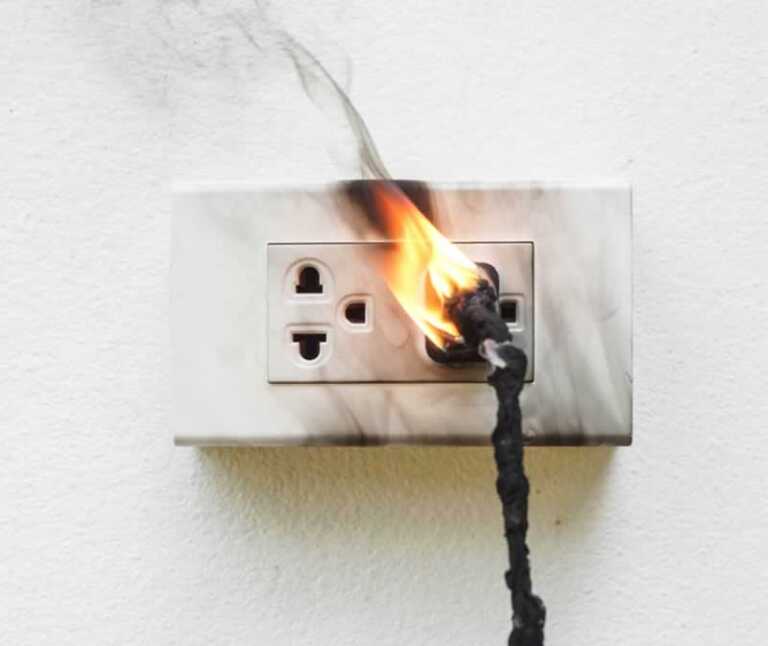
#4: Fire Hazards – Faulty wiring is one of the leading causes of residential fires. A wire that’s too thin, poorly connected, or improperly grounded can overheat and ignite surrounding materials.
Even if the work appears to function properly at first, hidden faults can simmer for weeks or months before causing a fire. Licensed electricians are trained to install circuits that work and are safe for long-term use.

Hidden Electrical Dangers
What you can’t see can still hurt you. Electrical systems are complex and interconnected. A problem in one outlet might be a symptom of a larger issue hidden behind walls or in the main panel. Without the tools and expertise to fully assess the system, you could be patching a symptom rather than solving the root cause. DIY fixes often mask deeper problems, which can become much more expensive—and dangerous—over time.
DIY Electrical Maintenance Means No Permit to Perform the Work, Thereby Risking Code Violations
In Ireland, the electrician conducting significant electrical work must be a Registered Electrical Contractor (REC) registered with Safe Electric. Moreover, they must issue a completion certificate for most electrical works.
Attempting electrical maintenance without a permit is not only illegal but can lead to fines and insurance complications. Electrical codes are in place to ensure safety and reliability; violating them puts your household and neighbours at risk. Worse still, unpermitted work discovered after an incident—such as a fire—can result in legal liability.
DIY Maintenance Can Have Major Insurance Implications
Insurance companies take electrical work seriously. Your policy could be invalidated if damage or injury occurs due to unlicensed work. That means your claim could be denied entirely, leaving you on the hook for thousands—or even hundreds of thousands—of dollars in repairs and liability. Insurers often require proof that any electrical work was done to code and by a qualified professional. Skipping that step could cost you everything.
You Might Not Have the Experience and Knowledge to Make a Proper Diagnosis
Electrical issues aren’t always what they seem. A flickering light might suggest a loose bulb, but it could also indicate a bad connection, overloaded circuit, or failing breaker. Licensed electricians undergo rigorous training to understand the root causes of problems and apply safe, permanent solutions. DIYers often lack the nuanced knowledge to diagnose and repair electrical faults accurately, leading to temporary fixes that may worsen over time.

You Might Not Have the Proper Tools and Equipment for the Job
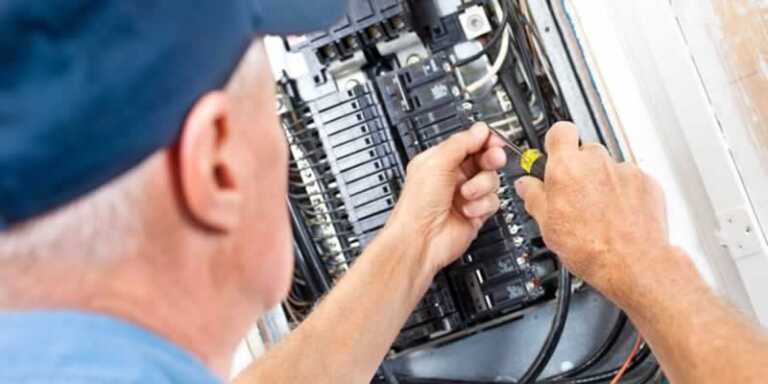
Professional electrical work requires more than just a screwdriver and a pair of pliers. Electricians use specialized tools such as voltage testers, conduit benders, circuit tracers, and thermal imaging cameras to perform their tasks accurately and safely.
Attempting a repair without these tools can lead to errors, injuries, or incomplete fixes. Additionally, some tools require training to be used correctly, and improper use can be just as dangerous as having no tools at all.
DIY Electrical Repairs Increase the Potential for Future Problems
#1: Possible Costly Future Repairs – An incorrect wire splice or an overloaded breaker might work in the short term, but these issues often surface later in the form of intermittent outages, damaged appliances, or even structural fires. What might begin as a quick, inexpensive DIY job could spiral into a costly professional repair. Worse still, improperly completed work must often be redone entirely—doubling your costs.
Even small errors, like reversing wire polarity or mislabelling circuit breakers, can result in expensive damage that could have been avoided by calling a qualified electrician from the beginning.
#2: Saving Time and Money – While DIY projects are usually pursued to save money, electrical maintenance is the exception to that rule. Professional electricians work efficiently and safely, identifying and solving problems without guesswork. Their experience enables them to complete repairs faster and with fewer complications.
Warranty Protection
Many appliances and home systems come with warranties only valid if licensed professionals do repairs. Performing electrical maintenance as DIY projects can void these warranties, leaving you without coverage if the appliance fails. Professional electricians also often provide warranties for their work, giving you peace of mind and legal protection in case issues arise down the road.
Contracting Professionals Protect Your Home’s Value
Electrical systems play a major role in your home’s market value. Potential buyers often request home inspections in the form of a Periodic Inspection Report (PIR). Consequently, unlicensed electrical work can result in red flags that delay or derail a sale.
Worse, buyers may request that you hire an electrician to inspect and possibly redo the work—at your expense. Hiring a licensed professional protects your investment and ensures that your home meets current safety codes and market expectations.
Final Thoughts
While many home improvement projects are perfectly suited for the DIY enthusiast, electrical maintenance is not one of them. The risks are too high, and the consequences too severe. From hidden safety hazards and legal violations to denied insurance claims and costly repairs, the potential pitfalls far outweigh any short-term savings.
Hiring a licensed electrician ensures the work is done safely, legally, and correctly the first time. It’s an investment in your home, safety, and peace of mind.
Don’t risk it—leave electrical maintenance to the pros.