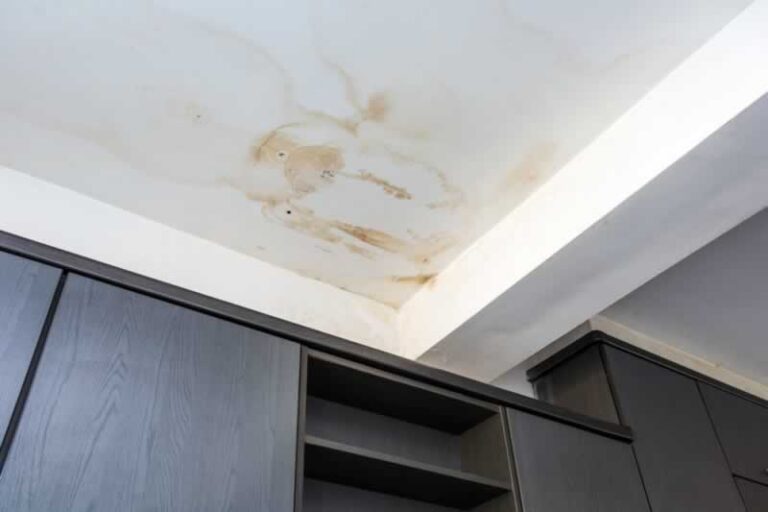

Is water dripping from your ceiling? The most effective way to prevent further damage is by not panicking and taking the necessary measures to stay in control of the situation. Locating the source of the leak is indispensable, as it dictates the rest of the steps one must follow. The leakage might result from either a roofing or a plumbing issue.

The following instructions will prove helpful when managing a ceiling leak.
Look for the source
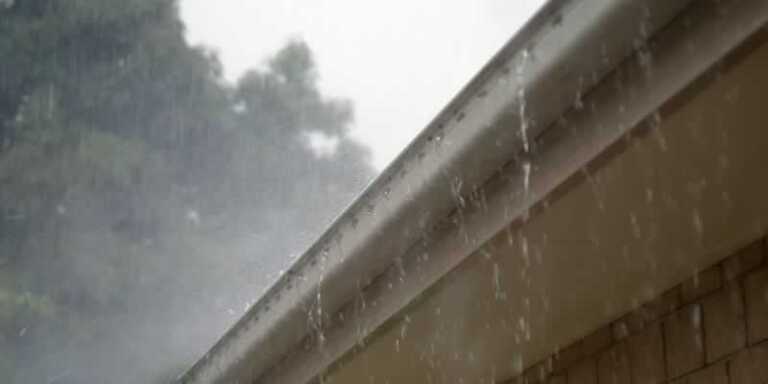
Finding the source of a leak seems like a walk in the park, but it requires a comprehensive property inspection. The source of most leaks is usually the roof, manifested with signs of water damage after every rainfall or other form of bad weather. In case water appears on the ceiling while raining or once the rain ceases, there’s no doubt the leaking originates from the roof.
Additionally, in scenarios when leakage is probably caused by missing or broken shingles, the water dripping from the ceiling will look muddy and filthy. Also, it would probably result in terrible discolorations on the wall. Make sure you check this to find out the reasons for water seeping through the walls when raining.
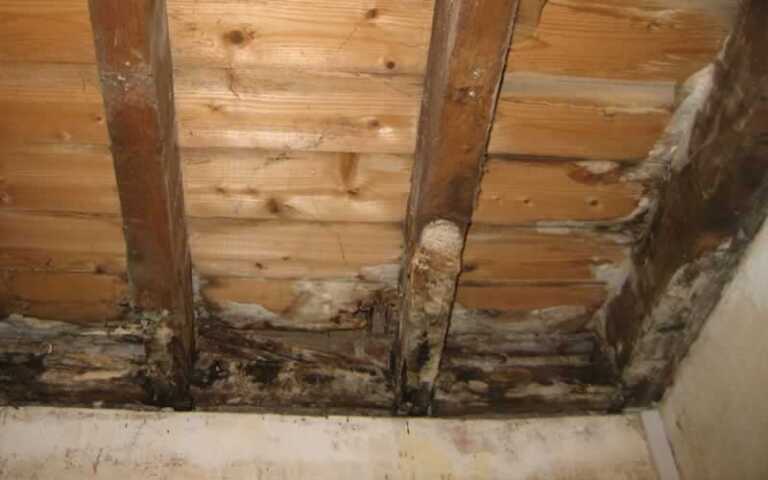
The following point of inspection is the attic, as leakage might be caused by damp attic insulation. Take a flashlight and head to the attic in search of signs of dampness, which might not be overly visible. In the event of finding no obvious signs, you’re advised to remove a piece of insulation to inspect for sogginess. Otherwise, the most noticeable leakage symptoms are the presence of water stains and trails, as well as the growth of mold.
As long as you don’t mind climbing on the roof, take a ladder to climb there and inspect the roofing materials for potential damage. Pay close attention to the shingles, as these tend to curl, break, and get loose during exposure to harsh weather. Also, homeowners are suggested to check the performance of the vents, chimney flashing, gutters, and gaskets.
Moreover, plumbing issues are another common cause of ceiling leaks, triggered by faulty pipes and plumbing fixtures. In such cases, the dripping water is clean, not dirty like the one coming through the roof. When leaks appear on the ceilings of rooms located below the bathroom, the source is most likely a plumbing problem. Usually, signs of leakage appear whenever someone uses the toilet, shower, tub, or any of the other fixtures.
Eliminate further damage
Regardless of the source, homeowners are recommended to take immediate action upon noticing signs of water damage in the form of a wet or stained ceiling. Make sure you use a drill to make a hole in the middle of the damp area in order for the hidden water to flow down into a bucket placed on the floor. Visit the following link, https://carsaconstruction.com/water-ceiling-leak/, for more practical tips about handling a ceiling leak. Once the water stops leaking, you’re expected to fix the area where the drywall got wet in order to prevent mold.

In the case of a roofing leak, you can either repair the issue on your own or hire a professional roofer to take care of it. Household residents whose roofs are low can seal the hole by using roofing cement to glue the new shingles in the place of those that got broken or damaged. You are advised against climbing on a wet roof to prevent sustaining an injury.
Nevertheless, other more serious issues, such as fixing the flashing, removing roofing nails, or replacing vents, are best performed by roofing contractors. Also, homeowners having ice dam problems are suggested to hire professionals to eliminate them. When facing plumbing leaks, homeowners should check the fixtures for damage. Start by inspecting the condition of the bathtub, as even a tiny crack might lead to leakage. The cause may be a leaking valve, drain trap, or water supply pipes. Furthermore, the source might be located in the shower. It’s common for faulty shower doors and broken tile grouts to result in a ceiling leak.
Conclusion
Momentary action is the only way to impede further property deterioration. Don’t wait too long!