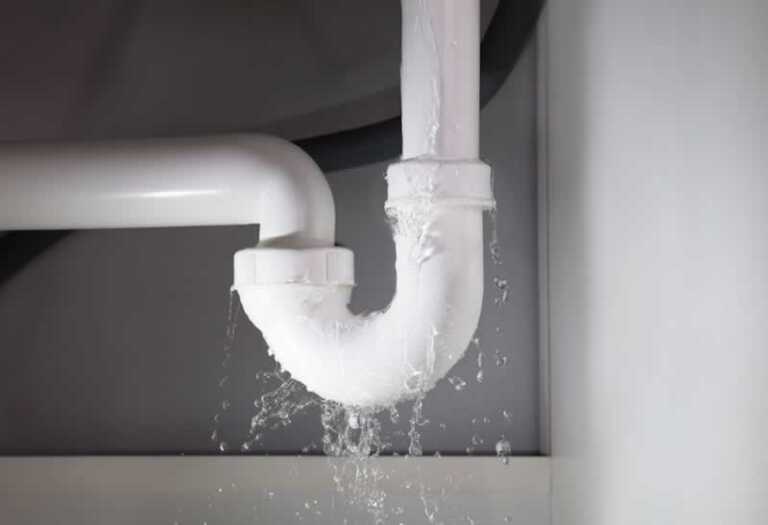

Most property owners do not worry about plumbing until something starts dripping, backing up, or turning a hallway into an accidental water feature. That is understandable. Plumbing is one of those systems that does its best work quietly, in the background, and with very little applause.
The problem is that quiet plumbing issues can become very loud financial problems. A minor leak under a sink, a failing shutoff valve, or a hidden pipe issue behind a wall can gradually turn into damaged drywall, mold concerns, flooring problems, and insurance paperwork nobody wanted to spend their Friday afternoon dealing with. That is one reason many owners and managers rely on trusted local providers for plumbing services in Vista, CA before small warning signs become major repairs.
The good news is that many costly plumbing events do not arrive entirely unannounced. Buildings usually drop hints first. You just have to know where to look.

Small Warning Signs Usually Mean Bigger Issues Are Brewing
One of the biggest mistakes property owners make is assuming that if the issue seems minor, it probably is minor. Plumbing does not always work that way.
A slow drain might not just be a slow drain. It could point to buildup deep in the line, a developing blockage, or a broader issue in the drainage system. A running toilet may seem more annoying than dangerous, but over time it can waste a surprising amount of water and signal worn internal components. A faint stain on the ceiling might be from “that one thing a while back,” or it might be proof that water is still getting where it absolutely should not be.
Some of the most common early warning signs include:
- unexplained increases in water bills
- damp or discolored walls and ceilings
- musty odors in closed rooms
- low water pressure in one area of the building
- recurring drain clogs
- sounds of running water when fixtures are off
- warm spots on floors
- bubbling paint or warped baseboards
None of these signs automatically means disaster, but all of them deserve attention. Plumbing problems are a bit like bad habits in a budget spreadsheet: ignore them long enough and they become much harder to explain later.
Hidden Leaks Are Often the Most Expensive Ones
Visible plumbing issues at least have the decency to announce themselves. Hidden leaks are more subtle. They can develop behind walls, under slabs, above ceilings, or in utility areas that rarely get much attention. By the time they are discovered, the repair bill often includes more than plumbing work. It may also involve drywall replacement, flooring removal, dehumidification, mold remediation, or tenant disruption.
This is where early investigation matters. If a property owner notices unusual moisture, a sudden spike in the water bill, or an area that smells damp even when everything looks dry, it is worth bringing in a professional. Modern leak detection services can help locate the source without turning the building into a demolition project. That is a major advantage, especially in occupied spaces where downtime and disruption matter just as much as repair cost.
For example, imagine a small office suite where the water bill climbs for two months in a row. Nobody sees an obvious leak, so everyone assumes usage just increased. Later, a section of flooring starts to lift near an interior wall. What looked like a billing quirk turns out to be a hidden pipe leak that has been slowly saturating materials for weeks. The final repair now includes plumbing, flooring, drying, and a very awkward conversation with the tenant.
That kind of scenario is more common than people think.
Preventive Inspections Are Cheaper Than Reactive Repairs
There is a reason experienced facility managers are often less dramatic about emergencies: they know most of them can be reduced with routine attention. Preventive plumbing checks are not glamorous, but neither is paying for emergency restoration after a preventable failure.
A practical plumbing inspection plan may include checking:
- shutoff valves for corrosion or sticking
- exposed supply lines for wear or movement
- water heater connections and drain pans
- fixture seals around sinks, toilets, and utility areas
- hose bibs and outdoor plumbing
- drain performance in kitchens, restrooms, and service areas
- pressure irregularities across the building
- signs of previous water intrusion that may have returned
For commercial properties, multi-unit spaces, and mixed-use buildings, the value of preventive checks increases even more. The larger the property footprint, the easier it is for a small leak to go unnoticed.
Routine maintenance also helps document responsible property management. If an insurance question ever comes up, having a record that the property was regularly inspected and maintained can only help. At the very least, it shows the problem was not ignored while the ceiling quietly prepared to resign from its job.

Recurring Drain Problems Are Not Normal
A lot of owners normalize drain issues because they seem common. “That sink has always drained slowly.” “The break room line clogs once in a while.” “That restroom toilet is a little temperamental.”
Temperamental is a funny word when used for plumbing. It tends to mean something is already wrong.
Recurring clogs often suggest an underlying issue that basic plunging or store-bought drain products are not actually solving. Grease buildup, scale, tree root intrusion, improper pitch, damaged pipe sections, or deeper blockages in the system can all create repeat problems. Treating the symptom every few weeks is not really a solution. It is more like negotiating with the problem.
This matters because recurring drain issues can escalate. What starts as inconvenience can become overflow, water damage, sanitation concerns, and tenant complaints. In commercial or public-facing spaces, that also means reputational damage. Customers tend to remember a restroom backup more vividly than your excellent lobby décor.
Working with experienced plumbers in Vista when these patterns start appearing can help identify the real cause early. That is especially important for older properties, restaurants, retail spaces, and buildings with high fixture usage, where drainage systems take more daily abuse than owners sometimes realize.
Insurance Claims Are Often About More Than the Pipe
When people picture a plumbing insurance claim, they usually think of the failed pipe itself. In reality, the pipe is often the least expensive part of the story.
The real costs tend to come from everything around it:
- damaged flooring
- soaked drywall and insulation
- disrupted business operations
- tenant relocation or complaints
- mold risk and air quality concerns
- cleanup and drying equipment
- scheduling delays for reconstruction
That is why early action matters so much. A small plumbing repair completed early may stay a plumbing issue. The same issue left alone too long becomes a building issue, an operations issue, and occasionally a relationship issue if tenants or customers are involved.
There is also the simple reality that not every water-related loss is handled the same way by insurance. Coverage details vary. Delayed maintenance, long-term leaks, and preventable deterioration can create complications. That is another reason it makes sense to investigate warning signs early rather than hope they somehow turn into a self-resolving life lesson.
A Smarter Response Plan Makes All the Difference
Property owners do not need to become plumbing experts, but they do benefit from having a basic response plan.
A good approach looks like this:
First, take unusual signs seriously. Higher bills, musty smells, discoloration, and repeat clogs are worth checking.
Second, do not rely entirely on visible evidence. Water often travels before it shows itself.
Third, schedule inspections before there is an active emergency. It is much easier to diagnose calmly than during a flood at 6:30 in the morning.
Fourth, keep contact information for a trusted plumber on hand. In an emergency, nobody does their best vendor research while standing in a puddle.
Finally, think of plumbing maintenance as asset protection, not just repair spending. The goal is not simply to fix what is broken. The goal is to avoid avoidable damage in the first place.
Conclusion
Plumbing issues rarely become expensive overnight without offering at least a few clues along the way. A stain, a smell, a spike in the bill, or a drain that keeps misbehaving can all be early signals that something behind the scenes needs attention.
For property owners, business operators, and facility managers, the smartest move is not to wait for certainty. It is to act on the patterns before they evolve into repairs, downtime, and insurance headaches. In many cases, a timely inspection or targeted repair is the difference between a manageable service call and a full-blown property problem.
Plumbing may not be the most glamorous part of building management, but catching problems early is one of the easiest ways to protect your property, your budget, and your peace of mind.