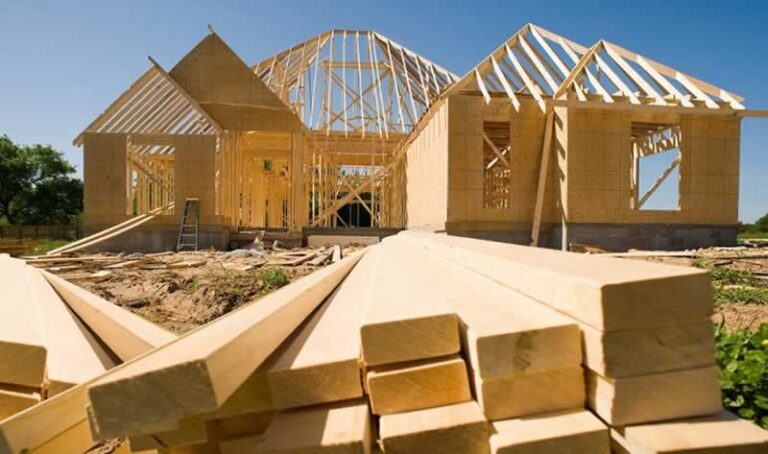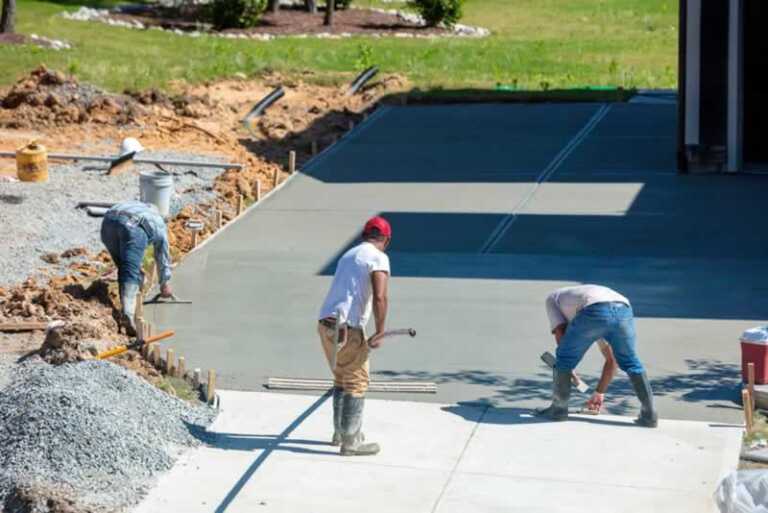

Construction sites are dynamic environments where heavy machinery, constant foot traffic, and ongoing work can quickly damage flooring surfaces. Whether you are renovating an existing building or constructing from scratch, protecting the floors throughout the project is essential to preserving the integrity, safety, and appearance of the site. Temporary floor protection is a practical solution that minimises damage, reduces clean-up time, and helps avoid costly repairs once the project is complete.
In this guide, we’ll explore everything you need to know about temporary floor protection on construction sites, including why it’s important, common materials used, best practices for installation, and tips on choosing the right solution for your project.
Why Is Temporary Floor Protection Important?
Floor surfaces especially in occupied or renovated buildings are vulnerable during construction. Here are key reasons why investing in temporary floor protection is essential:
- Prevent Damage: Construction activities such as moving heavy equipment, transporting materials, and worker foot traffic can scratch, dent or stain floors. Protection reduces wear and tear on hardwood, tiles, concrete, vinyl and carpeted surfaces.
- Maintain Safety: Floor protection materials often provide non-slip surfaces that reduce trip hazards and enhance worker safety.
- Save Time and Money: Avoiding damage means less time spent on repairs, cleaning and touch-ups, which reduces project delays and additional costs.
- Comply With Standards: Some job sites require specific protection standards to meet health and safety regulations.
- Protect Tenant or Client Property: In occupied buildings, protecting existing floors helps maintain client relationships by showing respect for their property.

Common Types of Temporary Floor Protection Materials
Different materials offer varying levels of protection, durability and cost-effectiveness. The choice depends on the floor type, project scale and expected traffic.
-
Protective Films
Protective films are adhesive or self-adhesive plastic sheets or tapes applied directly to floor surfaces. They are commonly used on smooth surfaces like polished concrete, vinyl, laminate or hardwood.
- Pros: Thin, lightweight, easy to install and remove, ideal for short-term protection.
- Cons: Limited impact resistance, may leave residue if left too long, less effective against heavy machinery.
-
Cardboard Protection
Heavy-duty cardboard or corrugated fibreboard is a popular choice for protecting floors in construction and renovation.
- Pros: Affordable, recyclable, provides good impact and scratch resistance.
- Cons: Can absorb moisture and weaken, limited water resistance.
-
Ram Board and Fibreboard
Ram Board is a branded product made from compressed fibreboard, designed specifically for floor protection. It is thicker and more durable than standard cardboard.
- Pros: Excellent protection against impacts, punctures and heavy foot traffic; reusable in some cases.
- Cons: Slightly more expensive than cardboard, heavier to handle.
-
Plastic Floor Protection Sheets
Polyethylene or polypropylene sheets provide waterproof protection, often used in wet areas or where chemical spills may occur.
- Pros: Waterproof, chemical-resistant, easy to clean.
- Cons: Can be slippery if not textured, less cushioning than fibreboard.
-
Carpet Protection Film
For protecting carpets, specialised adhesive films or mats are available to shield fibres from dirt, dust and damage.
- Pros: Allows carpets to be used during construction without damage.
- Cons: Adhesive may damage delicate carpet fibres if left too long.
-
Interlocking Floor Protection Tiles or Mats
Modular tiles made of rubber, plastic or composite materials offer durable, reusable protection suited to heavy-duty environments.
- Pros: High impact and chemical resistance, good traction, reusable.
- Cons: Higher upfront cost, requires careful installation.
Choosing the Right Floor Protection for Your Site
Selecting the right product depends on several factors:
- Floor Type: Hard floors like tiles or polished concrete may benefit from films or fibreboard, while carpets require specialised protection.
- Duration of Protection: Short-term projects might use adhesive films, while longer projects need more durable options like Ram Board or plastic sheets.
- Traffic Volume: High foot or equipment traffic demands stronger, thicker materials.
- Moisture Exposure: Wet or chemical-prone environments need waterproof solutions.
- Budget: Balance upfront costs with potential savings from damage prevention.

Best Practices for Installing Temporary Floor Protection
Proper installation ensures the floor protection works effectively and remains safe throughout the project.
- Clean the Floor Surface: Remove dust, debris and moisture before applying protection to ensure adhesion and prevent scratches.
- Choose Appropriate Adhesives: Use low-residue tapes or adhesive films to avoid damage when removing. Avoid overly aggressive adhesives.
- Overlap Edges: For sheets and films, overlap edges to create a continuous barrier against dirt and spills.
- Secure Edges Properly: Tape edges securely to prevent lifting, which can cause trip hazards.
- Ensure Flat Installation: Avoid bubbles, wrinkles or gaps that reduce protection and increase risks.
- Mark Transitions: Clearly mark any floor transitions or steps with visible tape or signs to prevent accidents.
- Regular Inspection: Check floor protection regularly for damage or movement and repair as needed.
Removing Floor Protection Safely
When the project concludes or a stage finishes, removing floor protection properly is as important as installation.
- Remove adhesives carefully to avoid pulling up floor finishes.
- Dispose of or recycle materials according to environmental guidelines.
- Clean the floor after removal to remove any residues or dust.
Innovative Temporary Floor Protection Solutions
New products and technologies continue to improve temporary floor protection:
- Eco-Friendly Options: Biodegradable or recyclable floor protection materials reduce environmental impact.
- Anti-Slip Coatings: Some protection systems incorporate textured surfaces to improve safety on wet or slippery floors.
- Modular Systems: Reusable interlocking mats save time and money over multiple projects.
- Custom Printing: Floor protection can include branded messaging or safety warnings to enhance communication onsite.
Conclusion
Temporary floor protection is a vital part of managing construction projects, ensuring that floors remain safe, clean, and undamaged throughout the build or renovation. Investing time and resources into selecting the right materials and installing them properly can save significant costs in repairs and delays, while improving safety and professionalism on site.
By understanding the various protection options from films and cardboard to heavy-duty fibreboard and modular tiles you can tailor your approach to the specific demands of your project. Always prioritise safety, durability and ease of installation to achieve the best results.
Whether you’re managing a small bathroom renovation or a large commercial development, temporary floor protection will help you deliver a polished final product that meets client expectations and regulatory standards.