
As winter fades and temperatures begin to rise, spring brings longer days, blooming flowers, and a sense of renewal. However, while homeowners welcome the warmer weather, pests see it as the perfect time to invade. In fact, spring is widely considered the most dangerous season for pest infestations, as many insects and rodents become active after months of dormancy.
Understanding why pests thrive in spring—and how to prevent them—can help protect your home, health, and property from costly damage.
The Science Behind Spring Pest Activity
During winter, many pests either die off or go into hibernation to survive the cold. As soon as temperatures begin to climb in spring, these pests emerge in search of food, water, and shelter. This sudden increase in activity leads to a spike in infestations.
Insects such as ants, termites, and mosquitoes begin reproducing rapidly, while rodents like mice and rats become more active in their search for nesting sites. Spring essentially marks the beginning of the pest breeding season, which means populations can grow quickly if left unchecked.

Increased Moisture Creates Ideal Conditions
Spring often brings rain and melting snow, resulting in excess moisture around homes. Damp environments are highly attractive to many pests, including termites, cockroaches, and mosquitoes.
Standing water in gutters, basements, or yards can become breeding grounds for insects, while moisture-damaged wood can attract termites. Even small leaks or poorly ventilated areas can create the perfect habitat for pests to thrive indoors.
For homeowners, this means that even minor maintenance issues can quickly escalate into major pest problems during spring.
Easy Access Points After Winter Damage
Winter can take a toll on your home’s exterior. Cracks in the foundation, damaged roofing, and worn-out seals around windows and doors can create entry points for pests.
As pests emerge in spring, they take advantage of these vulnerabilities to enter your home. Once inside, they can quickly establish nests and multiply.
Routine inspections at the beginning of spring are essential to identify and seal these entry points before infestations begin.
Abundant Food Sources
Spring provides an abundance of food for pests. Blooming plants, budding trees, and increased human activity all contribute to more available food sources.
For example:
- Ants are attracted to sugary substances and food crumbs.
- Rodents search for stored food in kitchens and pantries.
- Wasps and bees are drawn to flowers and outdoor eating areas.
Improper food storage or leftover debris can make your home even more appealing to pests during this time.
Rapid Reproduction Cycles
One of the biggest reasons spring is so dangerous for pest infestations is the speed at which pests reproduce.
A single queen ant can produce thousands of offspring, and termites can form entire colonies within a short period. Rodents can also reproduce quickly, with a single pair potentially leading to dozens of new rodents in just a few months.
This rapid growth means that a small pest problem in early spring can turn into a full-blown infestation by summer if not addressed promptly.

Common Spring Pests to Watch Out For
Homeowners should be particularly vigilant about the following pests during spring:
- Ants: Often the first sign of warmer weather, ants invade homes in search of food and water.
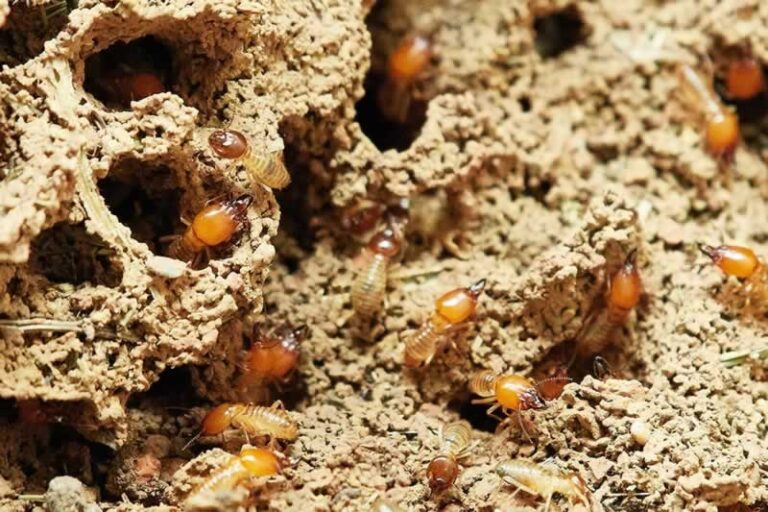
- Termites: Spring is the peak swarming season for termites, making it a critical time to watch for signs of wood damage.
- Mosquitoes: Standing water from spring rains creates ideal breeding conditions.
- Rodents: Mice and rats become more active and may move indoors.
- Wasps and Bees: These insects begin building nests around homes, especially in eaves and attics.
Each of these pests poses unique risks, from property damage to health concerns.
Health and Property Risks
Pest infestations are more than just a nuisance—they can have serious consequences.
- Health risks: Many pests carry bacteria and diseases. For example, rodents can spread pathogens, while mosquitoes are known carriers of various illnesses.
- Structural damage: Termites and carpenter ants can cause significant damage to wooden structures, often going unnoticed until repairs become costly.
- Allergies and irritation: Cockroaches and other pests can trigger allergies and respiratory issues.
Addressing pest problems early in spring can help avoid these risks altogether.
Prevention Tips for Homeowners
Preventing spring pest infestations requires a proactive approach. Here are some effective strategies:
- 1. Seal Entry Points
Inspect your home for cracks, gaps, and openings. Seal any potential entry points to keep pests out. - 2. Eliminate Moisture
Fix leaks, clean gutters, and ensure proper drainage around your home to reduce moisture buildup. - 3. Maintain Cleanliness
Keep your home clean and free of food debris. Store food in airtight containers and dispose of garbage regularly. - 4. Trim Vegetation
Keep plants and tree branches away from your home’s exterior to prevent pests from using them as pathways.
Why Professional Help Matters
While DIY methods can help reduce minor pest activity, professional pest control services are often necessary for long-term protection. Experts have the tools and knowledge to identify hidden infestations, eliminate pests effectively, and implement preventative measures.
For homeowners dealing with recurring issues, investing in pest control Ottawa, Ontario services can provide peace of mind and ensure your home remains pest-free throughout the season.
Final Thoughts
Spring may be a beautiful time of year, but it also brings a surge in pest activity that can threaten your home and health. From increased moisture and easy access points to rapid reproduction cycles, multiple factors make this season particularly dangerous for infestations.
By understanding these risks and taking proactive steps, you can protect your property and avoid costly damage. Whether it’s sealing entry points, maintaining cleanliness, or seeking professional assistance, early action is key.