
When it comes to choosing the right fence for your home, there are several key factors to consider. From enhancing your property’s curb appeal to ensuring privacy and security, finding the perfect fit can be a daunting task. But fear not! In this article, we will guide you through the process of selecting the ideal fence that meets all your needs. First and foremost, consider the purpose of the fence. Are you looking to keep your pets safe, increase privacy, or simply add an aesthetic touch to your home? Identifying your primary goal will help you narrow down your options. Next, take into account your budget and maintenance preferences. Some fencing materials may require more upkeep and investment than others. It’s essential to evaluate the long-term costs and maintenance requirements before making a decision. Additionally, consider your local climate and the fence’s durability. Some materials may be more suitable for harsh weather conditions, while others may offer better resistance against rot or pests. Lastly, don’t forget about the legal regulations in your area. Familiarize yourself with any local zoning laws or homeowner association rules that may dictate the type and height of fences allowed. By carefully considering these key factors, you’ll be well on your way to finding the perfect fence for your home.
The perfect fence can transform your home, providing privacy and security while enhancing the aesthetic appeal of your property. However, with so many options available on the market, choosing the right fence for your needs can be a daunting task. In this blog post, we’ll explore some essential factors to consider when selecting the ideal fence for your home. From installation to materials and size, we’ve got you covered! So grab a cup of coffee and let’s get started on creating that dream fence.
Understanding the Importance of Fencing
Fencing is more than just a boundary marker for your property; it plays a crucial role in ensuring the safety, privacy, and aesthetic appeal of your home. A well-constructed fence can provide a sense of security by keeping unwanted intruders at bay and safeguarding your family and pets. Moreover, it helps maintain privacy, allowing you to enjoy your outdoor space without prying eyes from neighbors or passersby.
In addition to security and privacy, fencing enhances the visual appeal of your home. The right fence can complement your home’s architectural style, adding to its overall charm and value. A beautifully designed fence can act as a focal point in your landscape, creating a cohesive look that ties together various elements of your property. Whether you have a modern, traditional, or rustic home, there’s a fencing option that can elevate its appearance.
Lastly, fencing serves practical purposes such as defining property lines and providing a clear demarcation of your space. This can be particularly important in neighborhoods where properties are closely situated. By establishing clear boundaries, you can prevent disputes with neighbors and ensure that your property is respected. Overall, the importance of fencing extends beyond mere functionality, encompassing aspects of security, aesthetics, and practicality.

Plus, working with a reputable vinyl fence guy installation company ensures top-quality materials and construction, so your fence will stand the test of time. Don’t settle for subpar DIY attempts – trust the pros at a trusted fence installation company today!
Assessing Your Property Needs
Before selecting a fence, it’s essential to assess your property’s specific needs and requirements. Start by considering the primary purpose of the fence. Are you looking to enhance security, increase privacy, contain pets, or simply add aesthetic value? Understanding your goals will help you narrow down the options and choose a fence that meets your needs.
Next, evaluate the layout and terrain of your property. If your yard has uneven ground or slopes, you may need a fence that can accommodate these variations. Some fencing materials and styles are better suited for challenging terrains, while others may require additional modifications during installation. Additionally, consider the size of your property and the length of the fence you’ll need, as this will impact the overall cost and labor involved.
It’s also important to consider any existing landscaping features, such as trees, shrubs, or flower beds, that may affect the placement and design of your fence. You may need to adjust the fence line to avoid disrupting these elements or choose a fence style that complements your garden. By thoroughly assessing your property needs, you can make an informed decision and select a fence that enhances both the functionality and beauty of your outdoor space.
How to install a fence
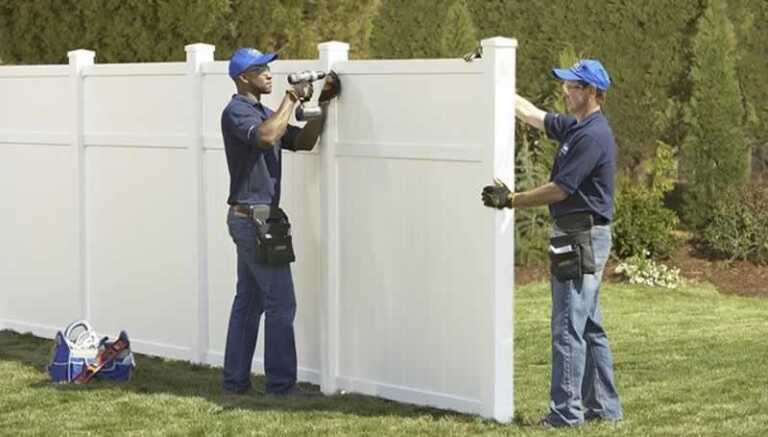
Installing a fence can be a challenging task, but with the right approach and tools, it’s doable. The first step is to determine where you want your fence installed and how much fencing material you’ll need. Measure the area accurately before purchasing materials to avoid wastage or shortage of supplies. The next step is to mark out where your fence posts will go using stakes and string lines. Ensure that they’re evenly spaced to provide stability for your fence. Digging holes for the posts comes next; make sure they’re deep enough based on local regulations or guidelines.
After placing the posts in position, add concrete around them and ensure that they’re leveled correctly by using a spirit leveler. Once dry, attach rails horizontally between each post followed by attaching panels vertically along those rails. Install any gates needed into place securely using hinges or latches according to manufacturer instructions. Completing this process ensures that your fence will be sturdy, robust and last long while enhancing privacy and security on your property.
The type of fence that will best suit your needs
When it comes to choosing the best fence for your home, there are a number of factors that come into play. One of the most important considerations is the type of fence that will best suit your needs. There are various types of fences available in the market, each with its own distinct features and benefits. One popular option is a wooden closeboard fence which offers both privacy and security. It can be customized to fit any yard size or shape but requires regular maintenance such as staining or painting.
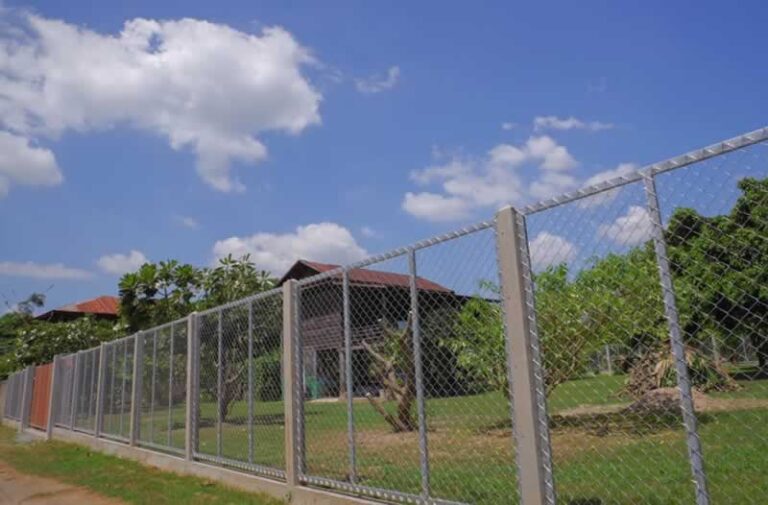
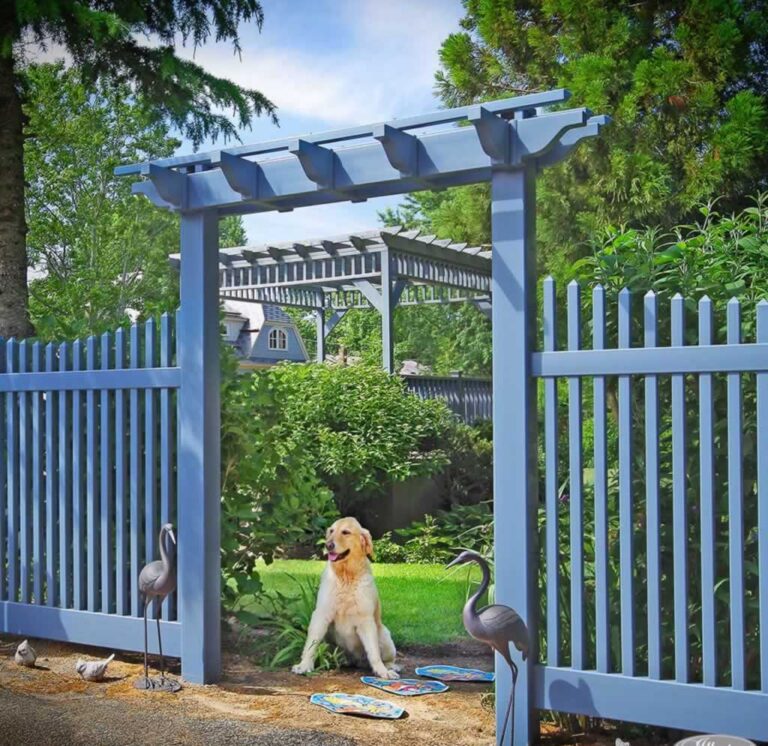
Another option is vinyl fencing which is resistant to rotting, warping and fading due to weather conditions. It’s also low-maintenance and offers homeowners plenty of styles from which to choose. Chain-link fences are durable, affordable and offer an unobstructed view while providing safety for children or pets in your backyard. For those looking for maximum privacy without compromising on style, consider installing a wrought iron or aluminum fence. These options provide excellent security while adding elegance to any outdoor space. Ultimately, when selecting the perfect fence for your home you should weigh up all options based on their suitability for your particular needs; whether it’s aesthetics, functionality or cost-effectiveness – to ensure they align with what you’re looking for in a new addition to your property.

Local Regulations and HOA Guidelines
Before installing a fence, it’s crucial to familiarize yourself with local regulations and any guidelines set forth by your homeowners’ association (HOA). These rules can vary significantly from one area to another, and failing to comply with them can result in fines, legal issues, or the need to remove or alter your fence.
Local regulations often dictate the height, style, and placement of fences. For example, there may be restrictions on how tall a fence can be in the front yard versus the backyard, or rules about maintaining clear visibility at street intersections. Additionally, some municipalities require permits for fence installation, so be sure to check with your local building department to understand the necessary steps and documentation.
If you live in a community governed by an HOA, you’ll need to review their guidelines as well. HOAs often have specific rules regarding the appearance and maintenance of fences to ensure a cohesive look throughout the neighborhood. This can include restrictions on materials, colors, and design styles. Submitting a detailed plan to the HOA for approval before starting your project can help avoid conflicts and ensure that your fence meets all requirements.
The size and height of the fence
When it comes to selecting the perfect fence for your home, size and height are two important factors that must be considered. The size of your fence will depend on how much area you want to cover while the height will depend on its purpose. If privacy is a top priority, then a tall fence would work best. A six-foot-tall or higher wooden or vinyl fence can provide complete privacy for your backyard. But if you’re mainly concerned about keeping pets and children safe, a shorter fence may suffice.
Another factor affecting the height of your fence is local zoning laws which regulate the maximum allowable heights in residential areas. It’s essential to check with local authorities before installing any new fencing structure as breaking these regulations could lead to penalties. The width of your yard also plays an important role in determining the size of your fence. If you have a small yard, installing a large-sized fence might make it look cramped while having no barrier at all would leave it open and exposed. Picking out the right dimensions for your fencing project requires careful consideration of different factors such as location restrictions, budget constraints and personal preferences. With proper planning beforehand regarding what style works best suited towards each individual’s unique needs should result in satisfying outcomes!
The material the fence is made of
When it comes to selecting the perfect fence for your home, one of the most important factors to consider is the material that the fence is made of. There are a variety of materials available in the market, each with its own set of benefits and drawbacks. Wood fences are a popular choice due to their natural beauty, but they require regular maintenance such as staining or painting, and may be vulnerable to rotting or insect damage over time. Vinyl fences are low-maintenance options that can mimic the look of wood without requiring upkeep. However, they may not be as durable in extreme weather conditions.
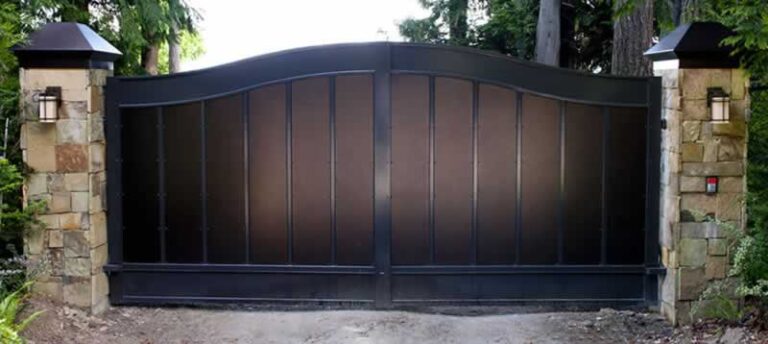
Metal fences such as aluminum or wrought iron offer durability and security while also providing an elegant aesthetic appeal. However, they can be costly compared to other materials. Chain link fences are another affordable option that provides security but may lack privacy. They’re often used as perimeter fencing around large properties like commercial buildings or sports fields. The material you choose will ultimately depend on your needs and preferences – whether you prioritize aesthetics over cost-effectiveness or durability over maintenance requirements. It’s essential to weigh all these factors before making a decision on which material suits your home best!
Environmental Impact and Sustainability
As environmental awareness grows, many homeowners are seeking sustainable fencing options that minimize their ecological footprint. When choosing a fence, consider the environmental impact of the materials and manufacturing processes involved.
Wood fencing, made from natural and renewable resources, can be a sustainable choice if sourced responsibly. Look for wood that is certified by organizations like the Forest Stewardship Council (FSC), which ensures that the timber is harvested in an environmentally friendly and socially responsible manner. Additionally, using reclaimed or recycled wood can further reduce the environmental impact.
Vinyl and composite fencing, while not made from renewable resources, can offer sustainability benefits in terms of longevity and low maintenance. These materials do not require painting or staining, which reduces the use of potentially harmful chemicals. Some manufacturers also offer eco-friendly options made from recycled materials. Metal fencing, particularly aluminum, is highly recyclable and can be a sustainable choice if sourced from recycled materials.
Overall, choosing a fence with a lower environmental impact involves considering factors such as material sourcing, durability, and maintenance requirements. By selecting sustainable fencing options, you can contribute to environmental conservation while enhancing your property’s security and aesthetics.
Conclusion
After considering all the factors, selecting the perfect fence for your home requires careful thought and planning. It is important to choose a fence that not only meets your needs but also complements the overall beauty of your property. Remember to consider factors such as installation, type of fence, size and height, and material when making your choice. Don’t forget to check with local authorities regarding any restrictions or permits required for installation. Ultimately, a well-chosen fence will enhance both the look and security of your home while providing you with privacy and peace of mind for years to come.