
When it comes to roofing, the differences between residential and commercial structures are significant. Understanding these distinctions is key to making informed choices. The biggest distinction is in choosing a reliable roofing contractor because there aren’t many contractors that do both residential and commercial roofs.
When you’re choosing a roofing contractor that does both residential and commercial roofing services, premium roof repair, replacement, and long-lasting roofing systems then you should check out Signature roofing Boise. They help homeowners and businesses protect their properties with fast response times, clean installations, clear communication, and reliable, high-quality results.
Understanding Residential Roofing
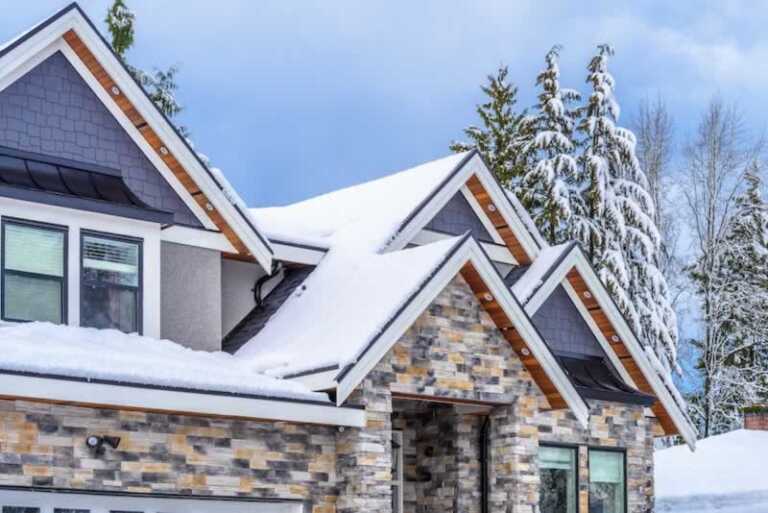
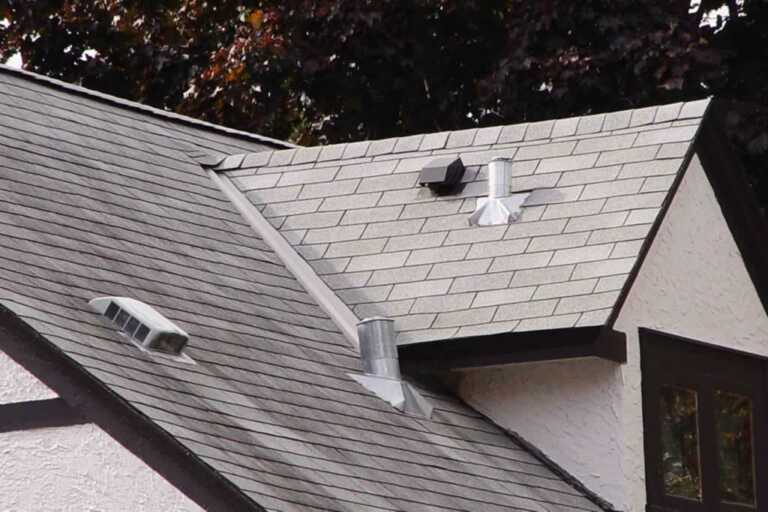
Residential roofing serves a fundamental purpose: to protect homes from the elements while contributing to the overall aesthetic appeal of the property. Typically, residential roofs are sloped, which helps in water runoff and reduces the risk of water damage. The most common materials used in residential roofing include asphalt shingles, wood shingles, metal roofing, and sometimes tile or slate. Each of these materials offers different benefits, such as durability, energy efficiency, and aesthetic value.
Another critical aspect of residential roofing is its relatively simpler design compared to commercial roofing. Residential roofs are often smaller in size and less complex in structure, which makes them easier and quicker to install. Homeowners usually have more options to choose from in terms of color, style, and material, which allows for greater customization. This personalization is vital for homeowners who want their roofs to complement the overall look of their homes.
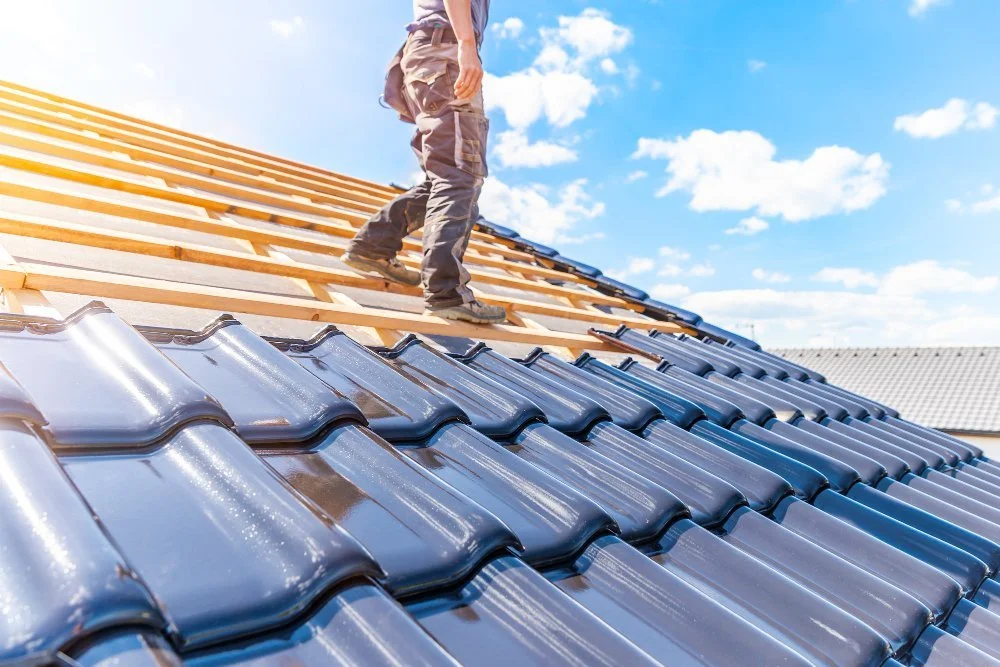
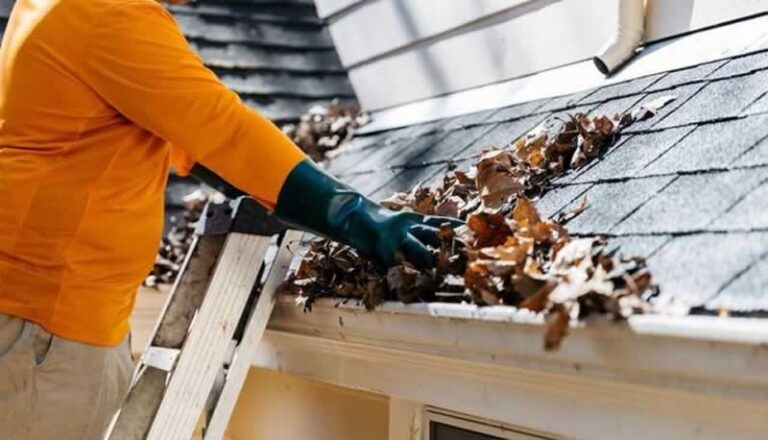
Residential roofs also require regular maintenance to ensure longevity. Tasks such as cleaning gutters, inspecting for leaks, and replacing damaged shingles are essential to keep the roof in good condition. Neglecting these maintenance tasks can lead to significant problems over time, including leaks, mold growth, and structural damage, which can be costly to repair.
Understanding Commercial Roofing
Commercial roofing, on the other hand, is designed to cover large buildings such as warehouses, factories, and office complexes. These roofs are typically flat or have a very low slope, which allows for efficient use of space. The flat design is ideal for installing HVAC systems, solar panels, and other equipment commonly found on commercial buildings. However, this design also requires a more robust drainage system to prevent water accumulation and potential damage.
The materials used in commercial roofing are often more durable and long-lasting compared to residential roofing materials. Common materials include single-ply membranes like TPO (Thermoplastic Olefin) or EPDM (Ethylene Propylene Diene Monomer), built-up roofing (BUR), modified bitumen, and metal roofing. These materials are chosen for their ability to withstand harsh weather conditions, heavy foot traffic, and chemical exposure.
Commercial roofing installations are more complex and require specialized knowledge and skills. The installation process involves multiple layers and intricate techniques to ensure durability and efficiency. Given the size and complexity of commercial roofs, the installation process can be time-consuming and labor-intensive, often requiring a team of experienced professionals to complete the job.
Key Differences in Materials Used
One of the most significant differences between residential and commercial roofing is the materials used. Residential roofs commonly use asphalt shingles due to their affordability, ease of installation, and variety of styles available. Asphalt shingles are also relatively lightweight, making them suitable for most residential structures. Other materials like wood, metal, and tile are also popular for their unique aesthetic appeal and durability.
In contrast, commercial roofing materials are chosen for their durability and ability to withstand extreme conditions. Single-ply membranes like TPO and EPDM are widely used due to their excellent resistance to UV radiation, chemicals, and punctures. These materials are also lightweight and flexible, making them ideal for large, flat roofs. Built-up roofing (BUR) and modified bitumen are also popular choices for commercial buildings due to their multi-layered construction, which provides added protection and durability.
Metal roofing is another material used in both residential and commercial roofing, but with different applications. In residential settings, metal roofing is often chosen for its aesthetic appeal and long lifespan. In commercial settings, metal roofing is selected for its strength, durability, and ability to cover large areas efficiently. The choice of material significantly impacts the roof’s performance, maintenance requirements, and overall lifespan.
Design and Aesthetic Considerations
Design and aesthetics play a crucial role in residential roofing, as homeowners often prioritize the appearance of their homes. The roof is a prominent feature of any house, and its design can significantly impact the home’s curb appeal. Homeowners have a wide range of options to choose from in terms of colors, styles, and materials, allowing them to create a look that complements their home’s architecture. For instance, asphalt shingles come in various colors and styles, while wood shingles offer a natural, rustic appearance.
In contrast, commercial roofing design focuses more on functionality and efficiency rather than aesthetics. The primary goal is to create a roof that can withstand the demands of a commercial building, such as heavy foot traffic, equipment installation, and exposure to harsh weather conditions. While aesthetics are still considered, they are often secondary to factors like durability, energy efficiency, and ease of maintenance. Flat or low-slope designs are common in commercial roofing, as they provide a practical solution for large buildings.
Despite these differences, some commercial buildings may still prioritize aesthetics, especially if they are customer-facing or located in high-visibility areas. In such cases, architects and designers may incorporate elements like green roofs or architectural metal roofing to enhance the building’s appearance while maintaining functionality. Ultimately, the design and aesthetic considerations for both residential and commercial roofing are influenced by the specific needs and priorities of the building owners.
Installation Processes and Techniques
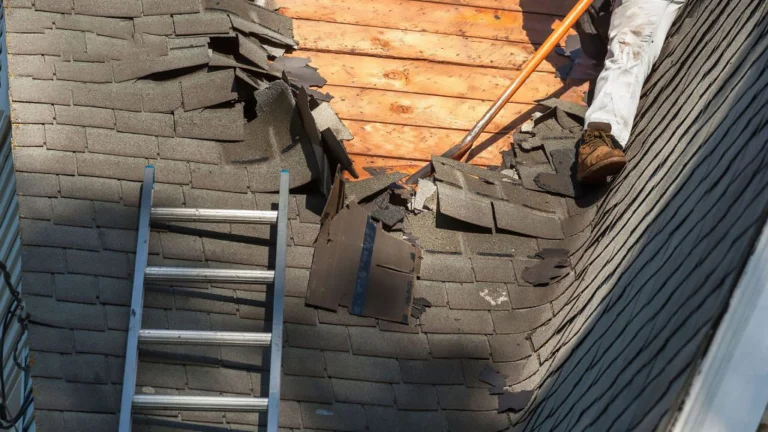
The installation process for residential and commercial roofing varies significantly due to the differences in materials, design, and complexity. Residential roofing installation is generally more straightforward and quicker, primarily due to the smaller size and simpler design of residential roofs. The process typically involves removing the old roof, inspecting the roof deck for any damage, installing underlayment, and then applying the chosen roofing material. The entire process can often be completed within a few days, depending on the weather and the size of the roof.
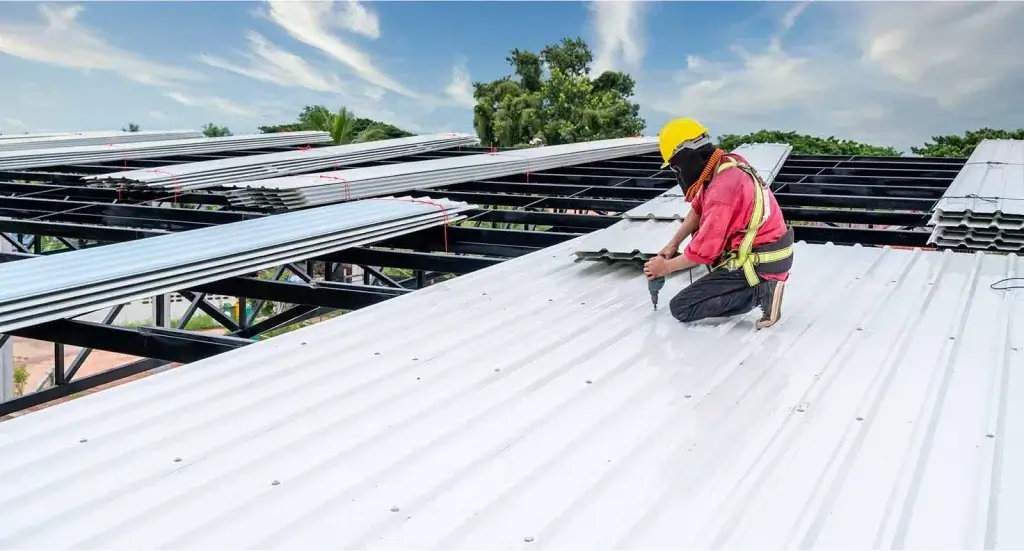
Commercial roofing installation, on the other hand, is more complex and time-consuming. The process often involves multiple layers and specialized techniques to ensure the roof’s durability and efficiency. For instance, installing a single-ply membrane roof requires precise measurements, careful handling of the material, and the use of specialized equipment to ensure a seamless and watertight installation. The installation of built-up roofing (BUR) or modified bitumen involves applying multiple layers of material and using heat or adhesives to bond them together.
Given the complexity of commercial roofing installations, it is crucial to hire experienced and skilled professionals who are familiar with the specific requirements and challenges of commercial roofing. The installation process may also involve coordinating with other contractors, such as HVAC installers or solar panel technicians, to ensure that all components are properly integrated. This level of coordination and expertise is essential to ensure the long-term performance and reliability of commercial roofs.
Maintenance and Longevity Comparisons
Maintenance is a critical factor in ensuring the longevity and performance of both residential and commercial roofs. Residential roofs typically require less frequent maintenance compared to commercial roofs, primarily due to their simpler design and smaller size. Common maintenance tasks for residential roofs include cleaning gutters, inspecting for damaged or missing shingles, and checking for leaks or signs of water damage. Regular maintenance can help extend the lifespan of a residential roof and prevent costly repairs.
Commercial roofs, due to their larger size and more complex design, require more frequent and comprehensive maintenance. Flat or low-slope roofs are particularly prone to issues like water pooling, debris accumulation, and damage from foot traffic or equipment installation. Regular inspections are essential to identify and address any potential problems before they escalate. Maintenance tasks for commercial roofs may include cleaning drains and gutters, inspecting the roofing membrane for damage, and ensuring that any installed equipment is properly secured and sealed.
The longevity of a roof is influenced by several factors, including the quality of the materials used, the installation process, and the level of maintenance. Residential roofs can last anywhere from 20 to 50 years, depending on the material. Asphalt shingles typically have a lifespan of 20 to 30 years, while metal and tile roofs can last 40 to 50 years or more. Commercial roofs, on the other hand, can last 20 to 40 years, depending on the material and maintenance. Single-ply membranes like TPO and EPDM have a lifespan of 20 to 30 years, while built-up roofing (BUR) and modified bitumen can last 30 to 40 years with proper maintenance.
Cost Factors: Residential vs. Commercial Roofing
The cost of roofing varies significantly between residential and commercial projects due to differences in materials, design, installation complexity, and maintenance requirements. Residential roofing projects are generally less expensive, primarily because of the smaller size and simpler design of residential roofs. The cost of residential roofing materials like asphalt shingles, wood, and metal is relatively affordable, and the installation process is quicker and less labor-intensive. On average, homeowners can expect to pay between $5,000 and $10,000 for a new residential roof, depending on the material and size of the roof.
Commercial roofing projects, on the other hand, are typically more expensive due to the larger size and complexity of commercial roofs. The cost of commercial roofing materials like single-ply membranes, built-up roofing (BUR), and metal can be higher, and the installation process requires specialized skills and equipment. Additionally, commercial roofing projects often involve more extensive planning and coordination with other contractors. The cost of a new commercial roof can range from $10,000 to $50,000 or more, depending on the material, size, and complexity of the project.
It is also important to consider the long-term costs associated with maintenance and repairs. While residential roofs may have lower initial costs, they may require more frequent repairs and maintenance over time. Commercial roofs, although more expensive upfront, are often designed to be more durable and require less frequent maintenance. However, when maintenance or repairs are needed, they can be more costly due to the size and complexity of commercial roofs. Property owners should weigh the initial costs against the long-term maintenance and repair expenses when making their roofing decisions.
Conclusion
Choosing the right roofing for your needs requires a thorough understanding of the differences between residential and commercial roofing. Both types of roofing serve the essential purpose of protecting the structure from the elements, but they differ significantly in terms of materials, design, installation processes, maintenance requirements, and costs. By understanding these differences, property owners can make informed decisions and select the roofing system that best meets their needs and priorities.
For homeowners, the focus is often on finding a roofing material that offers a balance of durability, aesthetic appeal, and affordability. Asphalt shingles, wood, metal, and tile are popular choices, each with its own set of benefits. Homeowners should also consider the importance of regular maintenance and the availability of warranties to ensure the longevity and performance of their roofs.
For business owners and commercial property managers, the priority is usually on durability, efficiency, and the ability to withstand harsh conditions. Single-ply membranes, built-up roofing (BUR), modified bitumen, and metal are common choices for commercial roofs. The complexity of commercial roofing projects necessitates working with experienced professionals who can ensure proper installation and maintenance. Additionally, understanding insurance and warranty considerations is crucial to protect the investment in the roofing system.
Ultimately, whether you are a homeowner or a business owner, investing in the right roofing system is essential for protecting your property and ensuring its long-term value. By considering the key differences between residential and commercial roofing, you can make an informed decision that meets your specific needs and provides peace of mind for years to come.