
For any commercial building, an effective roofing system is the first line of defense against the elements, where factors like longevity, efficiency, and cost-effectiveness play pivotal roles. An astonishing 40% of building-related problems are due to water intrusion, stressing the importance of a robust roofing system. When the time comes for re-roofing, facility managers and building owners are often met with a variety of options, each promising different benefits and challenges.
Understanding the intricacies of commercial re-roofing can help in making an informed decision that ensures the longevity and durability of the building. In this article, we walk you through the key considerations to keep in mind—from assessing your re-roofing needs to making a cost-effective selection that doesn’t compromise quality.
Assessing Your Commercial Building for Re-Roofing Needs
Commercial re-roofing projects begin with a thorough assessment of the existing roofing system. Evaluating factors such as the age of the roof, the frequency and extent of repairs, and the current roofing material’s performance is critical. This helps determine whether repairs will suffice or a complete replacement is necessary.

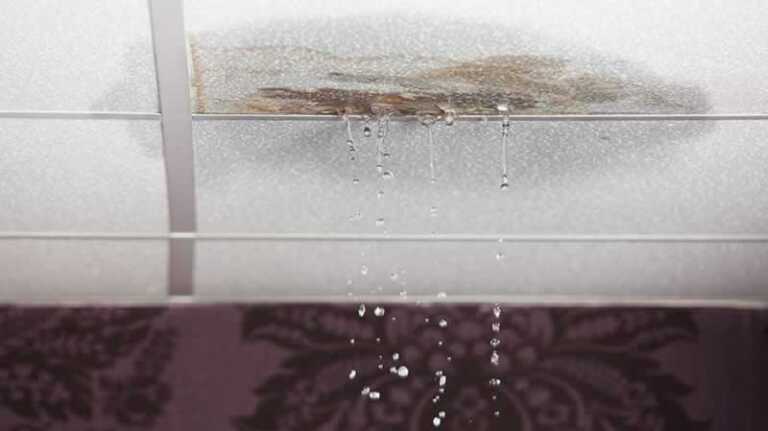
For instance, a commercial roof nearing the end of its typical lifespan—usually around 20 to 25 years for most materials—might be a good candidate for re-roofing. Identifying signs of significant wear, such as widespread leaks, persistent water pooling, or insulation degradation, is also essential in this assessment phase. These indicators typically signal that the roof’s integrity is compromised.
Enlisting the help of professional roofing contractors can provide a detailed analysis. They can identify potential issues through meticulous inspections and offer actionable guidance on whether re-roofing is warranted. Utilizing technologies such as infrared scans to detect moisture or the roof’s thermal condition can further inform the decision process.
Selecting a Roofing System: Durability and Material Considerations
When selecting a new roofing system, the materials’ durability and performance under specific conditions should be prime considerations. Metal, built-up, and thermoset or thermoplastic single-ply membranes are popular choices, each bringing a unique set of properties to the table.
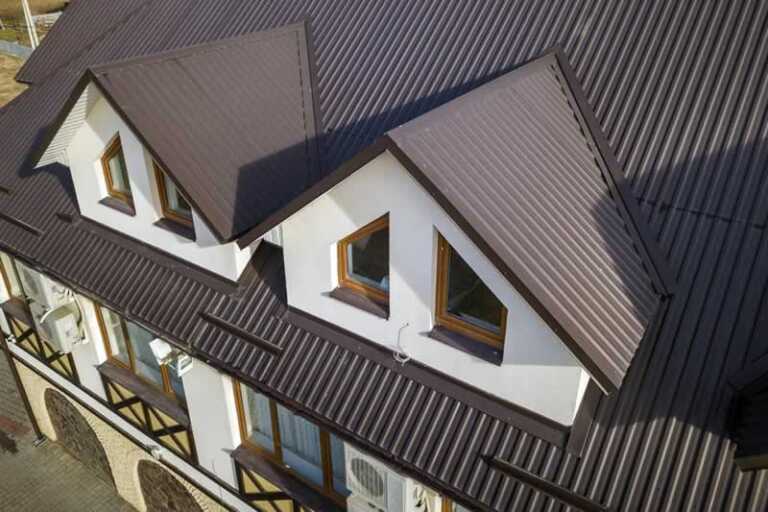
Metal roofs, for example, are celebrated for their durability, often lasting 40 years or more, as well as their fire resistance and energy-efficiency. Thermoplastic polyolefin (TPO) and ethylene propylene diene monomer (EPDM) systems offer strong resistance to ultraviolet light and ozone, are relatively easy to maintain, and can last between 22 to 30 years with proper care.
If you’re unsure about the most suitable material for your re-roofing project, seeking advice from experienced roofing professionals is advisable. A consultation with a specialist from companies like AllWeather Roof Minnesota can shed light on the advantages of each material in the context of your specific building requirements and budgetary constraints.
Climate and Environmental Factors in Roofing System Selection
Climate and environmental factors play a significant role in choosing the appropriate commercial roofing system. The roof must be able to withstand the local weather patterns, whether it be heavy snowfall, torrential rain, extreme heat, or high winds.
In regions with heavy snow, for instance, a sloped roofing system may be more apt to prevent excessive snow accumulation and potential water damage. Coastal areas might require roofing materials that can resist salt spray and high humidity. Material performance grades, like wind uplift ratings and fire-resistance classifications, should align with local climatic demands.
Consideration should also be given to the impact of the building’s location on roofing material options. For instance, urban areas may have different environmental regulations or more stringent codes that influence material selection. Consulting local building codes and potentially obtaining insights from area-specific case studies can ensure a choice that accounts for these external factors.
Balancing Cost and Quality in Commercial Re-Roofing Choices
Balancing the cost with the quality of the chosen roofing system is another crucial factor when re-roofing. Initial investment should not be the sole determining factor; it’s about finding a roofing solution that offers a favorable total cost of ownership over its lifespan.
Analyze the longevity versus upfront costs; cheaper materials may save money initially but could lead to increased maintenance costs and earlier replacement needs. Advanced roofing systems with higher energy efficiency can also result in lower utility bills over time, potentially offsetting the initial higher costs. Moreover, some materials may be eligible for incentives or rebates, further influencing the cost-benefit analysis.
Working with a reputable roofing contractor can ensure that you receive a fair, accurate estimate for your roofing project while also learning about the potential economies of scale that could arise from choosing higher-quality materials. They can aid in preparing a comprehensive financial analysis, identifying the long-term benefits versus immediate expenditures.
Ultimately, commercial re-roofing involves a complex decision-making process that accounts for several variables, from durability and material considerations to environmental factors and cost management. Taking a methodical approach to assessing these facets will help in selecting a roofing system that upholds structural integrity, meets financial constraints, and suits the specific requirements of your building. Whether you prioritze longevity, performance under specific conditions, or economic efficiency, thorough research and expert consultation will pave the way for a successful re-roofing project.