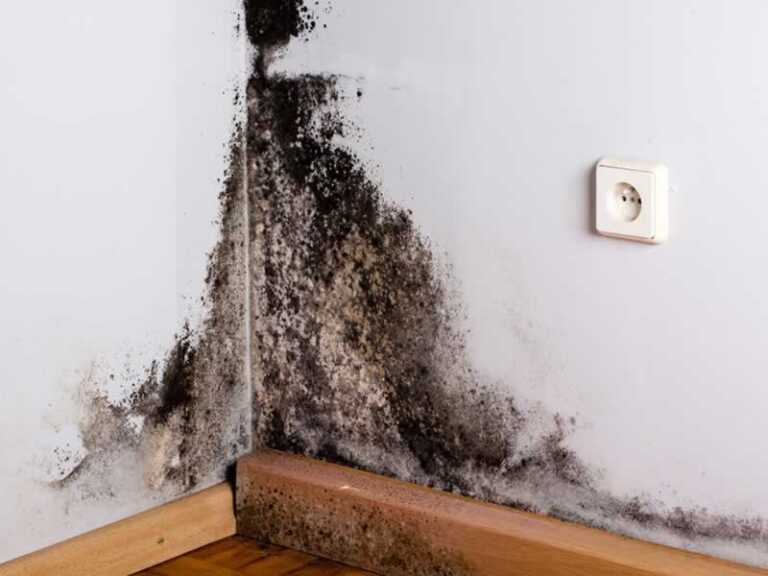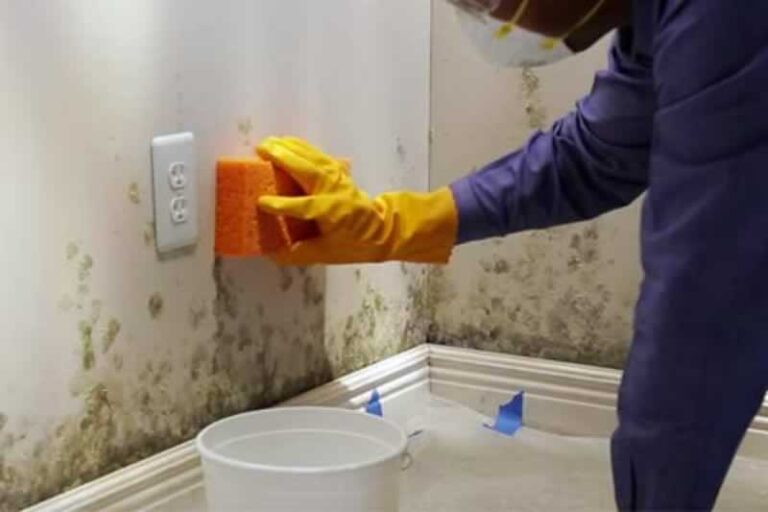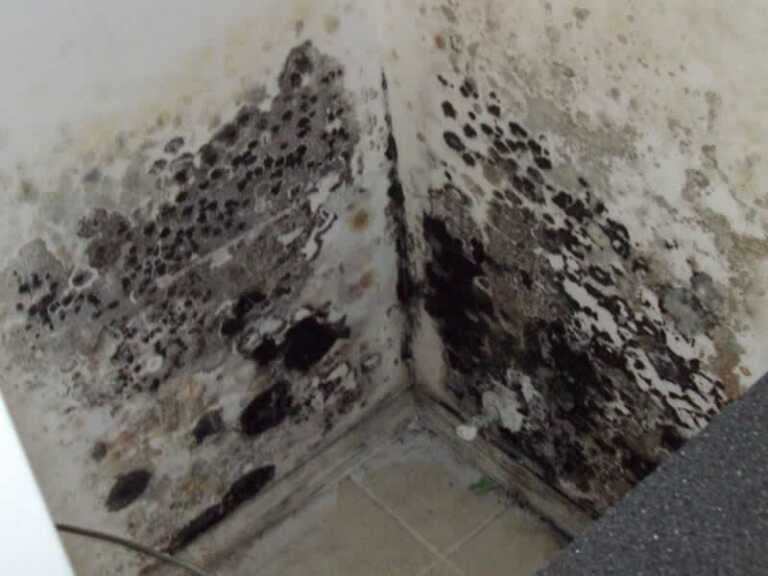
Mold growth can go unnoticed for months, even years at a time. Aside from carrying an unpleasant odor and being aesthetically unpleasing to look at, it also can lead to poor air quality and poses some serious health problems if left untreated. Fortunately, there are some preventative measures you can take to stop it from spreading.

Below, we’ll discuss four tips for preventing mold growth indoors.
Tips on How to Prevent Mold Growth Inside Your Home
Mold spores are common indoors and tend to grow in wet, moist environments. They can show up on your carpet, ceiling, drywall, and other household structures. If left untreated, they have the potential to start accumulating in as little as one to two days under the right circumstances. Although there are effective ways to eradicate it, it’s best to prevent it from growing in the first place using preventive measures, such as those listed below.
-
Detect and Treat Problem Areas
When it comes to steering clear of mold growth, prevention is key. Identify specific areas in your house that are susceptible to mold growth. Although mold can grow in various spots, homeowners typically spot mold problems in damp basements, bathrooms, laundry rooms, crawl spaces, and other areas with excess moisture. If you see water damage, treat it immediately. Depending on the type and severity of the damage, you may need to contact a professional, such as a plumber or even a restoration service, to eradicate the issue.
-
Allow Proper Airflow and Ventilation
Damp and moist areas are breeding grounds for mold growth and build-up. It’s much harder for mold spores to spread in well-ventilated rooms than those with high humidity levels. Try to maintain proper air circulation throughout your home, especially after cooking, showering, or using the washing machine. Running an exhaust fan and air conditioning unit can help keep moisture levels under control. If you live in a particularly humid climate, a dehumidifier can also help, as long as you’re using it properly and ensuring it stays clean per manual instructions.

-
Monitor Humidity Levels
Per the Environmental Protection Agency (EPA) guidelines, it’s recommended that you keep inside humidity levels between 30 percent and 60 percent. Anything as small as taking a shower or running a washing machine can throw off the humidity levels in your home. If you’re unsure if you’re above or below this, try purchasing a humidity sensor device from a reputable manufacturer or hardware store.
-
Avoid Water Leaks
Whether it’s from a leaky pipe, a damaged roof or appliance, or something else, water leaks can happen nearly anywhere in your house. If not detected in time, they can lead to unwanted mold and mildew damage. Maintaining your home is the best way to protect against water damage.
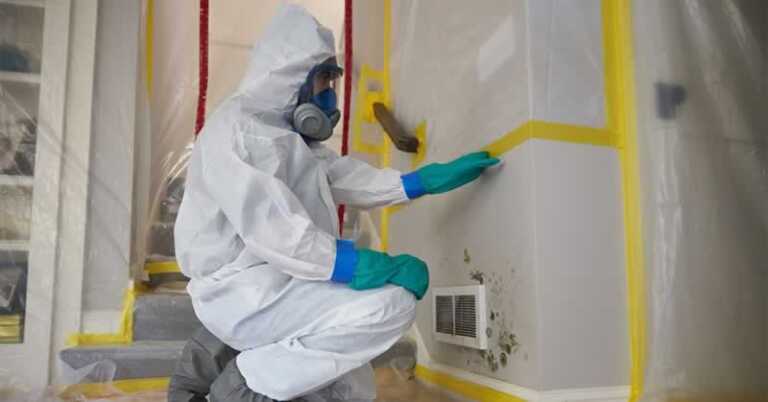
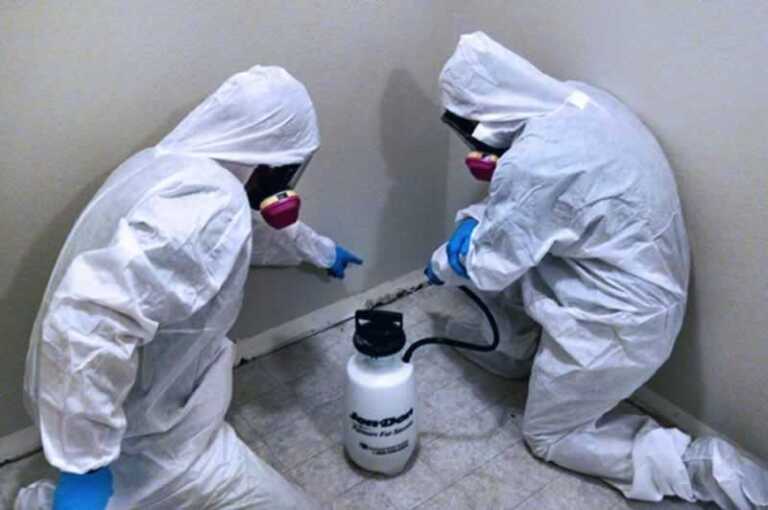
Although these tips can help you in your efforts to prevent mold growth indoors, this is by no means an exhaustive list of actions you can take. If you’re facing a mold problem, it’s crucial to contact a professional mold remediation service to eradicate the issue and keep you and your loved ones safe.