
As real estate appraisers, we see many beautiful decks that enhance the value of a property, providing valuable three-season outdoor living space for relaxing and for parties. Unfortunately, we also see many decks that detract from the value of a home because they have not been maintained properly. If you have a deck and plan to sell your home soon, or you need to get a home appraisal for the purposes of refinancing, you want your deck to look its best. This article tells you how.

To find out the best way to prep a deck for a home appraisal, we spoke with deck contractor John Kang, owner of Superior Deck and Fence. John and his team designs and builds residential and commercial fences and decks throughout South Jersey, Southeastern PA, and Delaware. John has seen his share of neglected decks too, and he was glad to share his 6 steps for inspecting, cleaning, repairing, and maintaining your deck:
Step 1: Clear and Clean Your Deck
First, remove all furniture, BBQ, plants, and anything else you have on it. Start cleaning by sweeping away leaves, thistles, or any other debris that has built up in corners and between boards. Organic material holds moisture and can promote dry-rot, mold growth, and more. Dead leaves also promote insect infestations; even pressure-treated wood can have problems with burrowing insects.
Step 2: Don’t Pressure Wash Your Deck
Once you have swept away all debris, you might be tempted to use a pressure washer to complete cleaning. DON’T, especially if you have wood or pressure-treated wood deck.
Wood is soft and a pressure washer can be too much, blasting paint off and gouging the wood. A conventional spray house will give you enough pressure to clean the deck. If you have stubborn green mildew, you can use a fungicide readily available at your local home store, or, fill a bucket with warm water and either a cup of white vinegar, or a quarter cup bleach, and using a green scrub pad scrub the mildew off. Rinse the deck thoroughly when done.
Step 3: Check for Raised Nails
Once the deck is clean, be sure to inspect it.
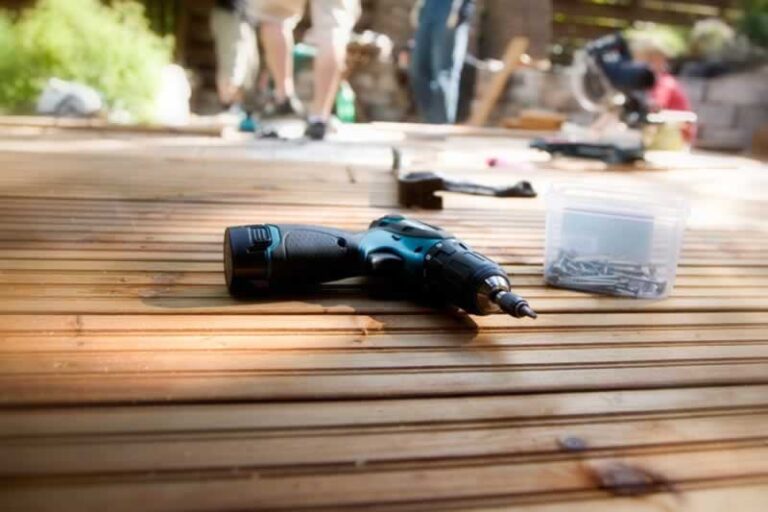
Check for raised nails. If a nail has popped up, drive it back flush or pull it and replace it with a wood screw. Rusty nails sticking up from a deck can lead to cut feet and the potential for tetanus infections. If you decide to use screws, make sure to buy galvanised deck screws, and here’s why: most decks built in the last twenty years use wood pressure-treated with several copper compounds as a rot and termite preventative (as an alternative to the arsenic-treated wood of older decks) which causes ordinary steel fasteners to rapidly corrode.

Step 4: Inspect all Railing and Support Beams
Loose railings can lead to severe injuries. Tighten any bolts that have come loose. If fasteners appear to be rusting or corroded, consider replacing them with galvanized or stainless steel bolts. It’s also important to remember that SMSF property valuations require that barriers and railings meet relevant safety standards. Support beams should also be inspected for loose bolts, rotted wood, and termite damage. Any damaged areas can be replaced with pressure-treated lumber. You can contact Nashville Horizontal Deck Railing for they handle all aspects of the horizontal deck railings design process, from the initial consultation to the final quality and safety inspection.
Step 5: Check for Loose or Cracked Deck Boards
Damaged boards must be repaired or replaced. A loose board can cause injuries if it trips someone on the deck. Missing or loose boards are especially a hazard to pets and small children, whose legs could get stuck in the gap between damaged or missing boards.
Step 6: Paint or Stain Your Deck
No wood deck will last forever, but wood left untreated will need serious repairs or total replacement much sooner than wood protected by a penetrating wood stain or exterior grade paint.
If your deck is bare wood, you should either paint or stain it.
The best time to paint it is in the spring. Exterior paint or stain dries to the touch within hours and is safe to walk on in a day or two, depending on the exact product. Oil-based products will continue to cure for days, and won’t reach their peak durability for at least two weeks–even more if you applied several coats or the weather is humid. By painting in the spring, your deck will be fully protected when summer hits.
If your deck was previously stained, you should reapply a coat of stain every year or two.
If you wait until the bare wood is showing through, your deck is taking unnecessary damage. Stain penetrates beneath the surface of your deck and forms a protective barrier against water, fungal growth, and more.
If your deck was previously painted, long-term maintenance depends on what kind of paint you chose.
If you initially chose oil paint for your deck, know that high-quality exterior oil paint can last five years or more without needing a repaint. And when you do repaint it, you can paint over the old coat without an issue. If you chose latex exterior paint, the color won’t fade, but the finish will begin showing chips and scars. If you decide on a repaint, the old latex finish will need to be completely stripped first, and the deck will probably need to be sanded.