Pool repair is something most pool owners don’t think about until the water stops circulating or the system begins making strange noises. I remember the first time a pool system failed in the middle of summer. The pump suddenly began humming louder than usual, and the water that once looked crystal clear started turning cloudy within a few days. At first it seemed like a minor issue, but it quickly became clear that the entire circulation system needed attention. A swimming pool is a carefully balanced system of pumps, filters, plumbing lines, and electrical components.
When one part fails, everything else begins to struggle. That is why addressing equipment problems early can prevent larger and more expensive repairs later. Scheduling routine inspections or professional pool repair services when small issues appear can help prevent minor equipment problems from turning into major system failures.
Understanding How Pool Equipment Works
A pool’s mechanical system functions like the heart and lungs of the water environment. The pump pulls water from the pool and pushes it through the filtration system, where debris, dirt, and contaminants are removed. Once cleaned, the water returns through the return jets back into the pool. When this process works smoothly, the water stays clear and balanced.
When the equipment begins to fail, water circulation slows down, and chemical balance becomes difficult to maintain. A friend of mine once ignored a weak pump for weeks because the pool still looked usable. Eventually, the filter clogged completely, and the motor overheated. The repair that could have been a simple motor replacement turned into a full equipment overhaul. Situations like that show why routine equipment inspections are important for every pool owner.

Common Signs Your Pool System Needs Attention
Mechanical issues rarely appear without warning. Most systems give small clues that something is wrong before a full breakdown occurs. One of the first signs is weak water flow from the return jets. If the pressure seems lower than normal, the pump or filter may be clogged or worn. Unusual sounds coming from the equipment pad are another warning sign. Grinding, rattling, or high-pitched humming often means internal components are wearing out.
I once visited a neighbor whose pump sounded like a small motorcycle engine. The cause turned out to be a failing bearing inside the motor housing. Catching the issue early prevented damage to the rest of the system. Cloudy water is another signal that something inside the filtration system is not functioning correctly. Poor circulation prevents sanitizing chemicals from distributing evenly throughout the pool. Over time, algae and bacteria begin to grow in stagnant areas. Watching for these small changes can save significant repair costs later.
Pump Problems That Affect Water Circulation
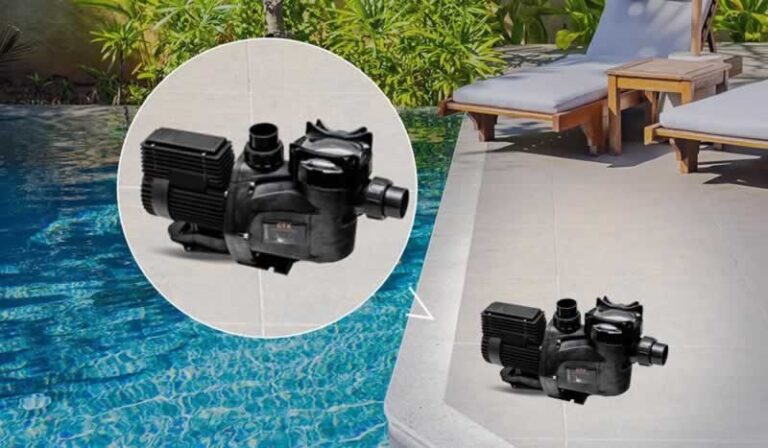
The pump is one of the most critical components of any swimming pool system. It moves thousands of gallons of water through the filtration system every day. When the pump begins to fail, the entire circulation cycle slows down. One common issue is a clogged impeller. Leaves, hair, and small debris can get trapped inside the pump housing and block water movement. Cleaning the impeller often restores normal flow immediately.
Another common problem is motor failure. Pool motors run for many hours each day, especially during warm seasons when filtration cycles are longer. Over time heat and vibration can wear down internal parts. In one case I saw, a motor stopped completely because the capacitor burned out during a heat wave. Replacing that small component restored the system without needing a full pump replacement. Regular equipment inspections help catch these issues before they become major failures.
Filter System Failures and Water Clarity
Filtration plays a major role in maintaining clean pool water. There are several common types of pool filters including cartridge systems, sand filters, and diatomaceous earth filters. Each type removes debris differently, but they all depend on proper maintenance to function effectively. A clogged filter restricts water movement and reduces circulation efficiency. This often leads to cloudy water and poor chemical distribution.
Cartridge filters require periodic cleaning with water or a specialized filter cleaner. Sand filters need occasional backwashing to remove trapped debris from the sand bed. One homeowner I worked with noticed algae forming along the pool steps despite balanced water chemistry. After inspecting the system, the issue turned out to be a heavily clogged filter that had not been cleaned in months. Once the filter media was replaced, the water clarity improved within days. This type of problem is extremely common among pool owners who rely solely on chemicals instead of checking their equipment.

Plumbing Leaks and Circulation Loss
Plumbing lines hidden underground can also create circulation problems. Even small leaks reduce water pressure and strain the pump as it tries to maintain flow. Air bubbles inside the pump basket are often a sign that air is entering the plumbing system. Cracked pipes, loose fittings, or worn seals can allow air to enter and disrupt the water cycle. I once watched a technician track down a tiny leak using a pressure test.
The damaged pipe was buried several feet underground near the equipment pad. After repairing the line, the pump pressure immediately returned to normal levels. This kind of hidden problem can go unnoticed for months if the equipment is not inspected regularly.
Preventative Maintenance That Protects Pool Equipment
Preventative maintenance is the simplest way to avoid costly system repairs. Cleaning pump baskets and skimmer baskets weekly helps prevent debris from reaching sensitive components. Regular filter cleaning improves water circulation and reduces strain on the pump motor. Inspecting seals, valves, and plumbing connections helps catch leaks early. Professional equipment inspections once or twice a year can also identify worn parts before they fail completely.
One pool owner I know schedules a full equipment check every spring before the swimming season begins. That simple routine has kept their system running smoothly for years without major breakdowns. Consistent maintenance protects both the mechanical system and the water quality of the pool.
Why Early Equipment Repairs Matter
Ignoring mechanical issues rarely makes them disappear. Small problems almost always grow into larger ones when left untreated. A clogged impeller can burn out a motor. A dirty filter can strain the circulation system and increase energy costs. A minor plumbing leak can eventually lead to structural damage around the equipment area. Addressing problems early keeps the system running efficiently and reduces long-term repair costs.
More importantly, it keeps the pool safe and enjoyable for everyone using it. A well-maintained pool system operates quietly, circulates water efficiently, and maintains crystal-clear water throughout the season. When pumps, filters, and circulation equipment work together properly, the pool becomes what it was meant to be. A relaxing space for swimming, family gatherings, and warm summer afternoons.