
Construction sites are some of the most dangerous working environments in the UK. This is why there are many laws surrounding the safety of construction workers that you need to be aware of if you work within the construction industry. If you manage a construction site, it’s imperative that you’re well aware of the laws surrounding mobile welfare units. These units provide essential services such as food, water and shelter to workers, and it’s important that they are set up correctly in order to comply with health and safety regulations. In this blog post that SRP Hire Solutions helped us create, we will discuss the law in more detail and explain what you need to do to ensure your workers are safe and healthy.

According to HSE you must provide a welfare space for your workers onsite from the start to the end of the project. The following are some of the things you must provide to meet the health and safety regulations.
Accommodation
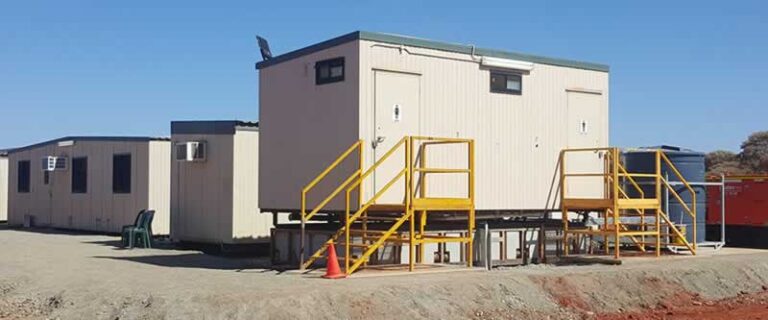
In some cases, your workers will need to work on a project overnight for a period of time. In these instances, it is your responsibility to provide a safe sleeping unit away from the hazards of the construction site. This is where welfare units come into the equation. With a welfare unit you can ensure your workers have a place to sleep and essentially live, whilst they are away from home
Kitchen facilities
It’s also important that kitchen facilities are included in your welfare units. Hygienic places for your workers to prepare their food is a must. You legally must provide a place for your workers to use that includes microwaves, refrigerators, running water, kettles and other essentials for your workers to store and eat their food properly.
General rest areas
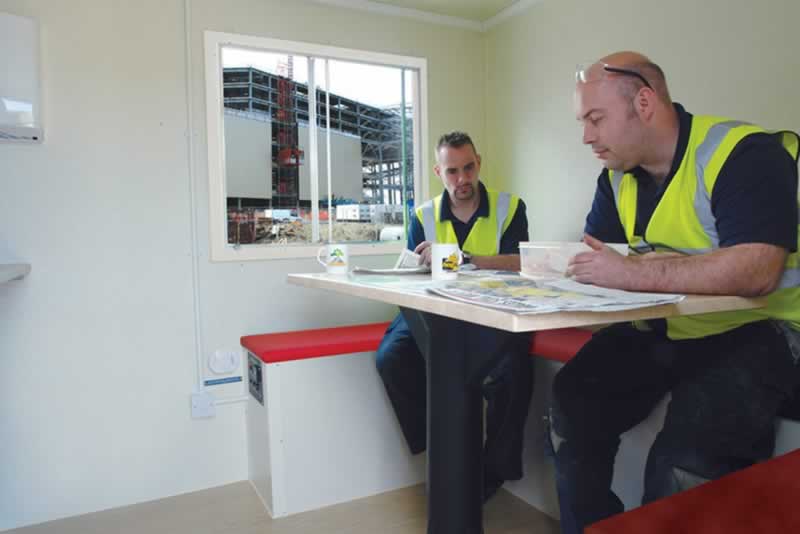
Rest areas situated away from the construction site are essential. A clean and comfortable place for your employees to rest on their breaks is essential for their safety and comfort. You must provide a space for your employees to sit comfortably and relax. There must be adequate seating for all workers and certain facilities should be present. The following are some of the things you should have in a rest area:
- Comfortable seating that’s enough for everyone
- Kettles to make hot drinks and food
- Facilities to store and prepare food such as a microwave
- Plenty of drinking water available and cups to facilitate this
- Toilets in close proximity
Toilets and bathroom facilities
Having enough toilets in close proximity (but at a safe distance) to the construction site is a must. You also must provide facilities such as wash basins, dryers/paper towels, and soap. Your workers need an adequate and hygienic place to use the toilet and wash their hands. Due to the nature of construction work, workers are bound to need to clean up and refresh, so they have a welfare unit to do this.
Here are a few of the things you must provide:
- Sinks
- Toilets
- Soap
- A means to dry hands such as dryers and paper towels
- Changing rooms and lockers
We hope you found this guide helpful.