
Before simply tossing something in the trash, whether it be an aluminum can, a plastic bag, old clothes, or other waste, check if junking or recycling is a possibility. There are several cleaner, more sustainable alternatives to trashing your waste in the Mile High City and beyond, and to make for a healthier and less polluted city, consider calling a company for junk removal in Colorado or tightening up your recycling habits. But there are some rules for what you can junk or recycle. Some things you have to throw in the trash, but cutting it down to the essentials can go a long way in making the state a cleaner environment.

A new 2022 report revealed Denver is currently seventh in the country for polluted U.S. cities, largely due to air quality levels and ground-level ozone pollution. Considering Colorado is known for stunning landscapes, domineering mountains, and clear, flowing creeks running off the Rockies, it’s in the state’s best interest to keep it relatively enchanting.
The first step to improving your waste management tactics is to understand what you’re doing wrong. Below is a list of some of the most common household items that lead to pollution:
- Plastic bags
- Coffee pods
- Paper and plastic plates
- Hand soap
- Toothpaste
- Chopsticks
- Wet wipes
- Batteries
- Tea bags
- Non-biodegradable package stuffing (styrofoam)
- Single-use razors
Use rechargeable batteries when possible, all–organic, microbead-free cleaning materials like soap and toothpaste, limit plastic bag usage or eliminate it altogether, reuse razors, consider using other coffee forms than Keurig pods, and try reusable tea bags.
What’s The Difference Between Junk & Garbage?
Junk generally indicates a large amount of “non-gross” material, like an old couch or busted piano that needs to be removed. Generally, garbage is “gross”, containing old food, liquids, or other germ-attracting substances that are often biodegradable. As a result, there are generally more sanitation concerns with garbage than junk, which could be a safety hazard. Junk generally doesn’t have these concerns.
Junk generally indicates a bigger amount or larger object than garbage. Garbage is easier to dispose of and is picked up by the city, while junk is often picked up by junk removal companies. For example, you can’t set out your old dresser to be picked up on Friday by the city. The phrase “one man’s trash is another man’s treasure”, could be served better by replacing “trash” with “junk”. Usually one man’s trash is trash according to most people.
Junk or Recycle?
In 2019, the average American produced an average of roughly five pounds of waste each day. Unfortunately, less than two pounds of that waste is recycled. Whether it’s carelessly tossing plastics and cans into the garbage can or continuing to buy plastic water bottles at the store, recycling in the United States is a losing battle. But that doesn’t mean you should give up. Below is a breakdown of some items to junk and some items to recycle.
To Junk:
- Furniture
- Electronics
- Carpet and rugs
- Mattresses and box springs
- Exercise equipment
- Pianos and other musical instruments
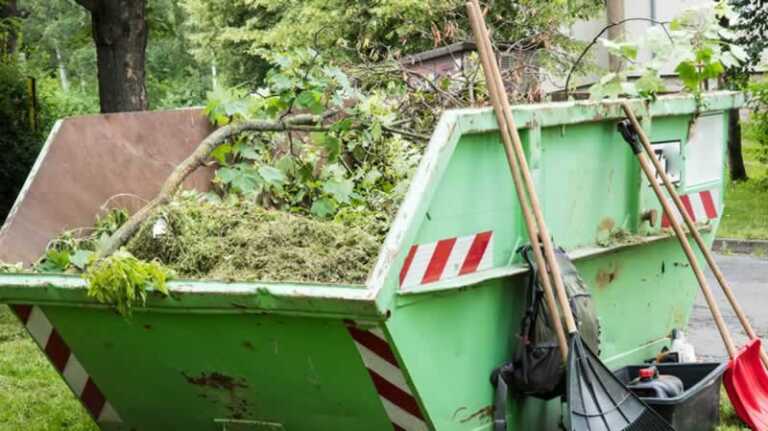
- Garbage and yard waste
- BBQs and grills
- Bicycles
- Hot tubs
- Refrigerators and other appliances
Generally, these items will be broken down and parted out, depending on their materials. Recyclable materials (hopefully, depending on the company you hire) are then sent out for re-use, while hazardous materials are ideally contained and disposed of in the most eco-friendly possible manner, though it’s best to separate hazardous materials if possible.
The remaining items will end up in a landfill. Some items, like bicycles or other appliances, are reused, restored, or donated. Examples of items that junk companies won’t collect include:
- Household cleaners
- Pesticides
- Fuel and oils
- Paint
- Pharmaceuticals and medical waste
- Ammunition
- Fireworks
- Materials with asbestos
- Pressurized containers
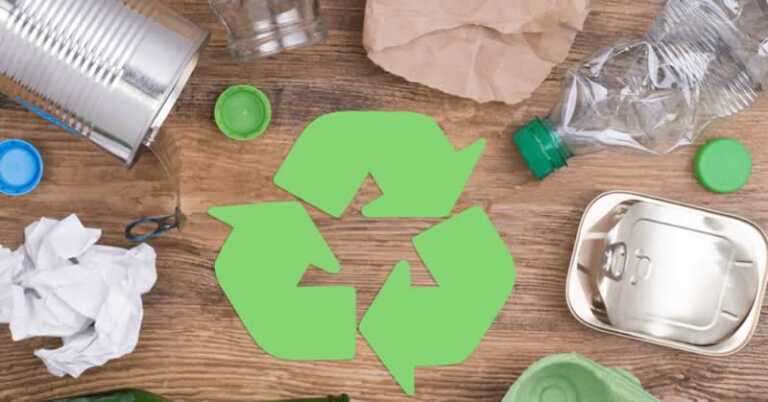
With recycling, many misconceptions come with what can be recycled and what needs to be thrown away. On the City of Denver’s website, there’s a search tool that can be used to determine where to dispose of your waste. Below are a few examples taken from the site.

To Recycle:
- Plastic bottles: Soda, water, shampoo, & soap bottles; milk, laundry detergent, & cat litter jugs; yogurt, sour cream, cottage cheese, & butter tubs; Peanut butter & mayonnaise jars; “To-go” & “take out” plastic drinking cups; Plastic trays like those used for microwave dinners; Clear “Clam-Shell” containers like those used to package strawberries, bakery goods & salads (remove as much of the price sticker from the plastic as possible); and Plastic egg cartons & cookie divider shells.
- Steel and aerosol cans: Aerosol cans must be empty. Labels are okay. Remove plastic caps unless they are part of the can. Spray nozzles are okay.
- Glass bottles and jars: Food & beverage glass bottles and jars only. Remove lids. Large metal lids can be recycled, but still must be removed.
- Aluminum: Aluminum cans, foil, trays, and pie plates. Remove as much food residue as possible. Do not crush aluminum cans.
- Cardboard: Flatten and cut to pieces no larger than two feet by two feet. Only broken down boxes inside the cart will be collected for recycling. Pizza boxes accepted, if not greased through to the other side.
- Paper: All food and beverage cartons including: Milk (dairy, soy & almond), juice, cream, egg white & egg substitute, soup & broth, protein drinks, eggnog, wine, tofu, small juice boxes and ice cream & frozen yogurt. All cold paper cups and hot coffee cups: Paper cups must be clean and empty. Paper cups must be bare — all sleeves, lids, straws and stirring sticks must be removed. Be sure to empty all food & liquid, and remove straws & caps. Do not flatten cartons.
- For newspapers, magazines, catalogs: Remove plastic bags and wrap. Discard non-paper inserts such as magnets or sample packets. Includes phone books. Window envelopes are okay to recycle. Paperclips, stamps, staples, tape and sticky notes are okay. Acceptable items include: Opened mail, greeting cards (non-foiled coated), Postcards, index cards & file folders, Loose leaf & legal pad paper, Stationary, letterhead, copy & typing paper; Paper envelopes (plastic windows okay); and Brochures & glossy ads.
- For paper bags: Remove food wrappings and any food. Department store “non-glossy” type paper bags are okay, but remove rope handles.
For an extended list of non-accepted items for recycling, such as plastic bags (Denver’s No. 1 recycling contaminant), visit the City of Denver’s website. Make sure you brush up on your recycling knowledge before throwing in landfill trash or calling your local junk removal company.