
Wintertime can be a pain with dryness and low humidity, leading to troubles such as clingy clothes, itchy throat, nose bleeding, chapped lips, and high chances of cold and flu. A humidifier can solve all these problems, but it can be costly to purchase and run all day long. Humidifiers increase monthly bills and expenses, so they might be out of your budget. But, that doesn’t mean you can’t humidify your home. There are so many ways to keep your house well-humidified without depending on a humidifier and paying huge bills.

Below, we have listed down five strategies to combat the issues of wintertime dryness.
5 Ways to Humidify Air Without a Humidifier
If you don’t want to invest in a humidifier, there are many DIY humidifier ideas you can use to raise the humidity of the air around you. Here are the top five ways to humidify your house cheaply, without a humidifier.
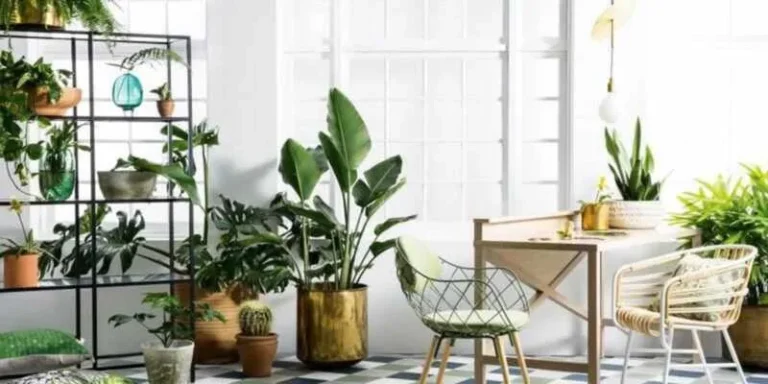
Place Houseplants Around Your House
Houseplants around the house can be a pleasant sight and keep the humidity levels in check. These contain air freshening elements as they release moisture through transpiration. When you water the plants, they only consume a small part of the water and lose the excess through leaves, flowers, and stems. This natural process can be useful to add moisture to the air in your home. However, you will have to water the plants religiously so they can keep up with the dry environment.
Boil Water
Boiling water is perhaps the quickest way to humidify a room. It is an effective method and almost effortless to execute. You simply have to boil some water in a pot, and the steam from it will fuse into the dry air making it moist. If you place the hot pot near a heat source, it will keep the water warm for a longer time.
You can have fun with this method by adding essential oils to the water to make your surroundings even more relaxing. You can start by trying out these essential oils:
- Lavender oil
- Rose oil
- Lemongrass oil
Cook on the Stovetop
Apart from boiling water on the stove, you can increase your stovetop cooking and take advantage of the moisture produced. When you cook foods like pasta, rice, or eggs, the steam from the pot will warm up some part of your house, making it cozy and relaxing. If you are not used to stovetop cooking, you can start by using a tea kettle to make your tea instead of using the microwave. These small changes will eventually lead to a cozier environment.
Dry Your Clothes Inside Your Room
Another easy way to humidify your room without a humidifier is drying your wet clothes inside your room. You can use a drying rack to hang your clothes indoors and leave them to dry on their own. Your wet clothes will release moisture into the surroundings as they dry, boosting the humidity of the area.

Take a Steamy Bath
After you take a nice, steamy bath, don’t drain the hot water in the tub right away. Instead, you can leave the bathroom door open and allow the hot water vapors to fuse into the surrounding air. The moisture will humidify the bathroom as well as the nearby rooms. If you don’t have/use a bathtub, take a steamy shower and leave the bathroom door open. It will also prevent the bathroom mirrors from fogging, so they always remain clear.
Use a Spray Bottle
If you have a spray bottle for your plants or pets, it can be useful to add moisture to your surroundings. You can use the bottle to spray water into the air now and then to keep it humid. A finer spray will be more effective and won’t damage your furniture or bedding. You can also dampen your curtains with the spray and expose them to sunlight so that the water evaporates into your room.
Conclusion
Your home can stay well-humidified even without a humidifier. These five useful methods can be very useful to ensure a healthy environment without much hassle.