

Imagine stepping into your garden and feeling an overwhelming sense of peace and joy, surrounded by vibrant blooms, lush greenery, and the gentle hum of nature. Transforming your outdoor space into a personal paradise may seem like a daunting task, but with the right guidance, it can be a rewarding journey that reflects your style and creates a haven for relaxation. In this comprehensive guide to shaping your dream garden, you’ll uncover essential tips and creative ideas to inspire your perfect outdoor retreat. From selecting the right plants for your climate to designing an inviting layout, we’ll walk you through every step to elevate your yard into a stunning extension of your home. Prepare to dig deep into the art of gardening, where every choice you make contributes to the beauty and functionality of your outdoor space. Let’s embark on this exciting adventure and unlock the full potential of your garden!
Understanding the Importance of Garden Design
Garden design is often perceived as an art form, a creative process where nature’s beauty is sculpted into a living masterpiece. It’s not just about planting flowers and trees; it’s about creating an environment that resonates with your personal style and enhances your lifestyle. A well-designed garden can serve as a sanctuary, a place to escape the hustle and bustle of everyday life and reconnect with nature. Moreover, it reflects your personality and taste, making your home a more inviting and harmonious space.
The significance of garden design also lies in its functional benefits. A thoughtfully planned garden can improve the usability of your outdoor space, providing areas for relaxation, entertainment, and even growing your own food. By strategically placing plants, paths, and seating areas, you can create a seamless flow that encourages outdoor living. This not only enhances your quality of life but also increases the value of your property, making it a worthwhile investment.
Furthermore, garden design plays a crucial role in environmental sustainability. By choosing native plants, implementing water-saving irrigation systems, and incorporating eco-friendly materials, you can create a garden that supports local wildlife and reduces your ecological footprint. A well-designed garden can also mitigate the impacts of climate change by providing shade, reducing heat islands, and improving air quality. In essence, garden design is a powerful tool that blends aesthetics, functionality, and sustainability to create spaces that are beautiful, practical, and environmentally responsible.
If you are not satisfied how the newly decorated room looks you can completely redecorate it with few simple things but in the garden the procedure is much more complicated. Once shaped garden can’t be easily reshaped and it is surely not cheap. Therefore, before you start with shaping of your garden take your time to read these few simple instructions and after that to carefully plan every part of the future garden before starting with the project. Garden should be shaped so it looks like a place for relaxation and enjoying. If you are decorating the garden yourself without professional help then take your time to read these few simple rules and guidelines:

Designing Garden Layouts: Tips for Optimal Flow
The layout of your garden is like the blueprint of a building; it dictates the flow and functionality of the space. Start by sketching a rough plan of your garden, including existing features and the areas you want to develop. Consider the sightlines from different vantage points, such as from inside your home or from the garden entrance. This will help you create focal points and pathways that guide the eye and enhance the overall design.
Creating distinct zones for different activities is a fundamental aspect of garden layout design. For example, you might have a seating area for relaxation, a dining area for outdoor meals, a play area for children, and a dedicated space for gardening. Use elements like hedges, walls, or plantings to define these areas and create a sense of structure. Pathways can connect these zones, providing a logical flow and making it easy to navigate the garden.
Proportion and scale are also important considerations. Ensure that the size of your garden elements is in harmony with the overall space. Large trees or structures can overwhelm a small garden, while tiny plants or decorations can get lost in a larger space. Use a variety of plant heights and forms to create layers and interest. Additionally, consider the balance between hardscaping and softscaping; too much of either can disrupt the harmony of the garden. By thoughtfully designing your garden layout, you can create a cohesive and inviting outdoor space that feels natural and intuitive.
The shape of the garden must be in accordance with the natural surroundings and it is even better when you plan your garden as an extension of the elements in the surroundings. In that way your garden will look more natural and in harmony with the surroundings. Be careful when selecting plants always choose plants which are native or adapted for your climate conditions. Always choose more types of plants and your garden will look beautiful through all four seasons.
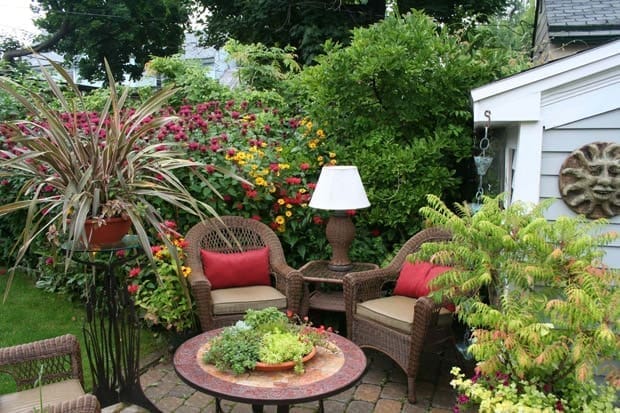
Adding Personal Touches: Decor and Garden Art
Personal touches and garden art can elevate your garden from a beautiful space to a truly unique and enchanting retreat. Garden decor allows you to express your personality and creativity, making your outdoor space feel like an extension of your home. Start by choosing a theme or style that resonates with you, whether it’s whimsical, rustic, modern, or eclectic. This will help you select decor items that complement your overall garden design.
Consider incorporating garden art, such as sculptures, mosaics, or wind chimes, to add visual interest and focal points. These pieces can be strategically placed to draw the eye and enhance the overall aesthetic. For example, a well-placed sculpture can create a striking centerpiece, while a mosaic stepping stone can add color and charm to a pathway. Additionally, consider using recycled or upcycled materials to create unique and eco-friendly garden art.
Functional decor items, such as garden furniture, lighting, and planters, can also enhance the beauty and usability of your garden. Choose pieces that are not only stylish but also durable and weather-resistant. Outdoor furniture should be comfortable and inviting, encouraging you to spend more time in your garden. Lighting can create a magical atmosphere in the evening, highlighting key features and ensuring safety. Decorative planters and containers allow you to add greenery to patios, decks, and other hardscaped areas, bringing the beauty of plants to every corner of your garden.
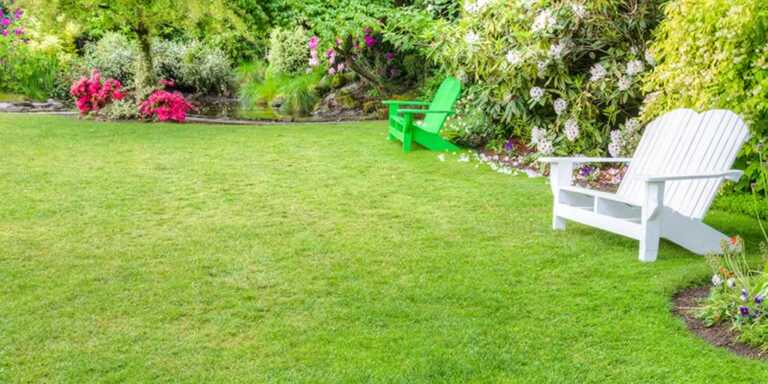
The part of the garden intended for relaxation and hanging out must be located in the south, south-east or south-west part of the garden. Also it is good that this area has the direct link to the kitchen for practical reasons. If you entering the house through the garden then make special attention when shaping it because it is the mirror of your house. Make extra attention to details like driveway, paths, parking area, garden lights etc.

Sustainable Gardening Practices for a Greener Space
Incorporating sustainable gardening practices is essential for creating an eco-friendly and resilient garden. One of the key principles of sustainable gardening is water conservation. Implementing efficient irrigation systems, such as drip irrigation or soaker hoses, can significantly reduce water usage. Additionally, collect rainwater in barrels and use it to water your plants. Mulching your garden beds helps retain moisture and reduce the need for frequent watering.
Another important aspect of sustainable gardening is soil health. Healthy soil supports robust plant growth and reduces the need for chemical fertilizers. Incorporate organic matter, such as compost or aged manure, to improve soil structure and fertility. Avoid using synthetic pesticides and herbicides, which can harm beneficial insects and soil organisms. Instead, practice integrated pest management (IPM) techniques, such as encouraging natural predators and using organic pest controls.
Biodiversity is also a cornerstone of sustainable gardening. Plant a variety of species to create a balanced ecosystem that supports pollinators, birds, and other wildlife. Include native plants, which are well-adapted to your local environment and provide habitat for local fauna. Additionally, consider creating a wildlife-friendly garden with features like birdhouses, insect hotels, and water sources. By adopting sustainable gardening practices, you can create a garden that is not only beautiful but also beneficial to the environment.
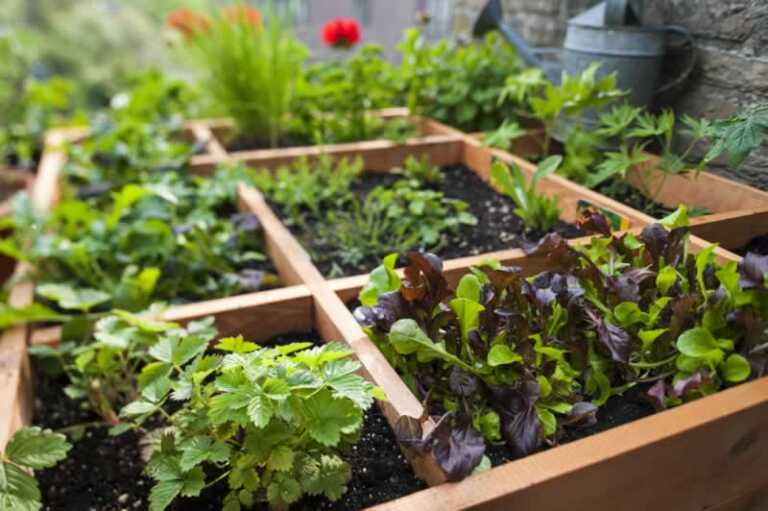
If you are planning a vegetable garden place him on the borders of your garden except if you want to use it like a decoration like in the picture above. It is best to have a vegetable garden in wooden or plastic boxes because it is nice to look at and because there is almost no mess.
Garden paths are one of the key elements of every garden. You must adapt the shape of the paths with the composition of surrounding plants (trees, hedges, etc.). If you have a small garden then it is best to put the path near the border area of the garden because otherwise you will ruin the shape of the garden. It is also a good idea to add some garden furniture to enjoy your outdoor space in comfort.

Maintenance Tips for a Thriving Garden
Maintaining a beautiful and healthy garden requires regular care and attention. One of the most important aspects of garden maintenance is proper watering. Ensure that your plants receive the right amount of water, taking into account their specific needs and the weather conditions. Overwatering can lead to root rot and other issues, while underwatering can cause stress and poor growth. Using a moisture meter can help you determine when and how much to water your plants.
Pruning and trimming are essential for keeping your plants healthy and looking their best. Regularly remove dead or diseased branches, and trim back overgrown areas to encourage new growth. Different plants have different pruning requirements, so it’s important to research the best practices for each species in your garden. Additionally, deadheading spent flowers can promote continued blooming and improve the overall appearance of your garden.
Fertilizing your plants is another key aspect of garden maintenance. Use organic fertilizers or compost to provide essential nutrients and improve soil health. Be mindful of the specific needs of different plants, and avoid over-fertilizing, which can cause nutrient imbalances and harm your plants. Regularly check for pests and diseases, and address any issues promptly using organic or integrated pest management techniques. By following these maintenance tips, you can ensure that your garden remains vibrant and thriving throughout the seasons.
Always plan a garden keeping in mind the maintenance works. Your garden will not be beautiful for a long time if you have no space to maintain it. When sowing plants keep in mind to put the tall one in the back and the low ones up front. Also keep in mind the amount of sun for the specific area and always read the manual on the seeds to learn how much sun a specific plant needs.
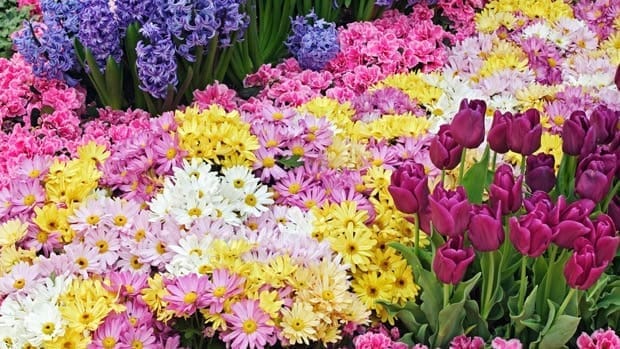
Also be careful when choosing flowers and keep in mind the colors of the flowers. Saw the colors that match next to each other and you will have a nice contrast in the garden. Also, with the appropriate line of colors you can make your garden look bigger or smaller depending on your wishes.
A boring garden is not the effect you want to achieve, so choose something pleasing and full of interest. Be sure to look around you. The surrounding landscape is one of the best resources for your garden design. Take note of its contours and its curves. Mimic these in the garden for a more natural appearance.
Gardens require a sense of direction. If the garden lacks focus, regardless its shape, it will also appear boring. Gardens without a sense of direction are best fixed by giving them some definition, a purpose or function. Focal points, such as benches, sculptures or large architectural plantings, help achieve this. Create focal points that draw the eyes toward the garden’s most attractive features. Add seating to areas where you want others to view.
Hide unattractive areas with creative screening. Repeating features, such as similar plants and objects, can also provide interest. A well-focused garden is a great way to spruce up a dull layout.
One of the greatest things about the garden is the fact that it can easily change whenever needed. So if the current garden shape design isn’t what you’d like it to be, if it seems uninviting or lacking something, don’t let it burden you. Take comfort in the fact that this is an easy fix with the right garden shape ideas.
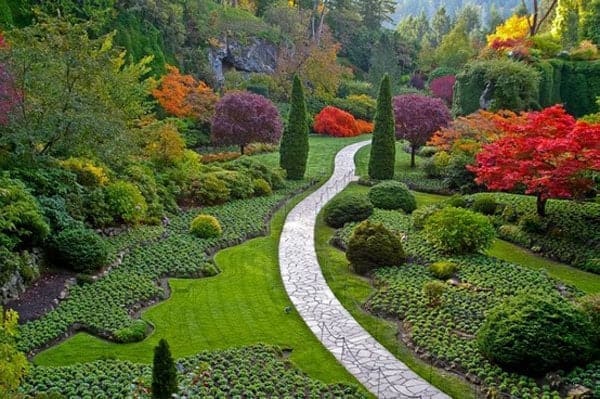
It doesn’t matter if your garden is small or big you can always play with garden elements like fences, paths, ponds, fountains, benches, little walls etc. But keep in mind that the garden is a place for relaxation and don’t over do it with the elements. We hope that these advices will make you want to decorate your garden right now but we advise you to write it all down and sketch it on paper before you start your shopping and shaping your garden. When your visualization of your unique garden is complete you can start with the project and good luck.
Conclusion: Bringing Your Dream Garden to Life
Transforming your outdoor space into a dream garden is a rewarding journey that requires careful planning, creativity, and dedication. By understanding the importance of garden design, assessing your space, setting clear goals, and choosing the right plants, you can create a garden that reflects your style and meets your needs. Thoughtful garden layouts, hardscaping elements, and sustainable practices will enhance the beauty and functionality of your space.
Adding personal touches with decor and garden art will make your garden truly unique and inviting, while regular maintenance will ensure its continued health and vitality. Remember that gardening is a dynamic and ongoing process; it’s an opportunity to learn, experiment, and connect with nature. As you embark on this exciting adventure, take the time to enjoy each step and celebrate the beauty and tranquility that your dream garden brings to your life. With patience and passion, you can unlock the full potential of your outdoor space and create a sanctuary that you and your loved ones can cherish for years to come.


Good idea! i like…