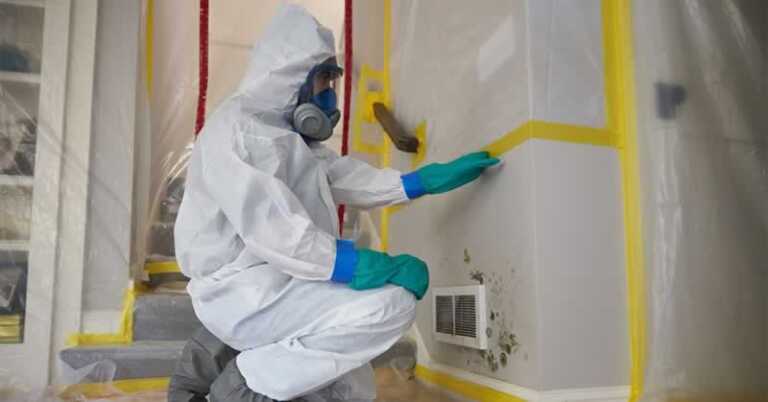
Mold and mildew can be everywhere and they can be tricky to remove. They appear and disappear, come in different colors and they seem to vanish whenever you decide to deal with them. Not only are these common household problem unsightly, they also bring threats to you and your family’s health, which is why dealing with them head on is a must. In some cases, mold and mildew have grown so big that they seem impossible to clean and the help of professionals is already in order. But before it comes to that, there are some things that you can do before mold and mildew grow to overwhelming proportions.

The following are simple and easy steps to get rid of mold and mildew in your home. They don’t require much effort or expensive cleaning solutions, but they are recommended to be done regularly to avoid horrendous mold and mildew growth.
Throw Away Absorbent or Porous Materials From Your Home
Mold and mildew thrive in places and objects that provide moisture. This is the basic characteristic of this unsightly mess that you need to know. That being said, you must know that by getting rid of objects which mold can live on will considerably reduce the chances of them growing inside your home. Look at absorbent and porous materials inside your living room and kitchen and decide which ones are due to be thrown out, while ensuring that the rest are well stored. As well, clean up where these objects were previously stored to completely rid of any possibility of mold and mildew growth.
Use Cleaning Solutions Easily Found in Your Kitchen
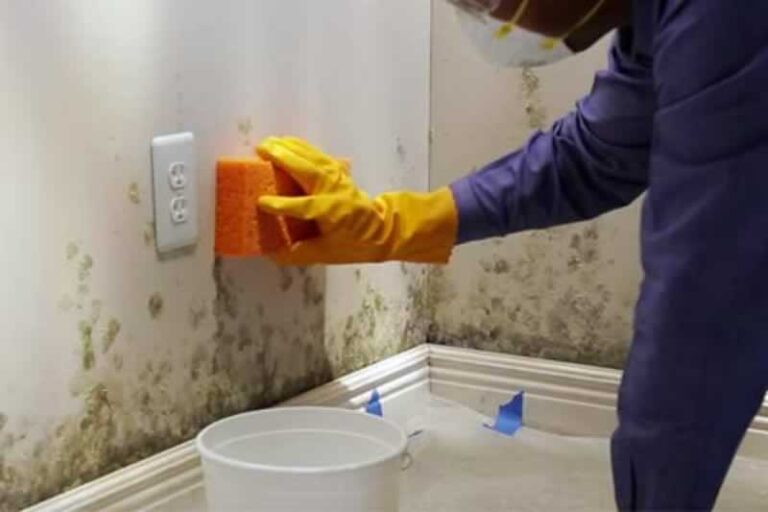
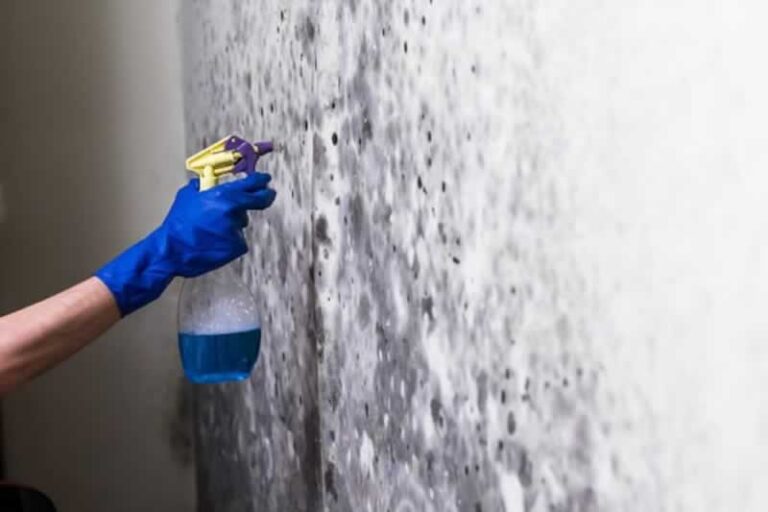
While there are lots of available cleaning products specifically made for mold and mildew, you don’t need to spend money to buy one. Not to mention the fact that some of these products are made with low quality and can’t really do the job. Try out solutions of warm water and bleach, while a vinegar solution can also be a good alternative. Other common substances used to deal with mold and mildew include Borax solution, ammonia, baking soda, and hydrogen peroxide.
Clean Out Uncommon Places and Areas
Mold and mildew commonly grow not only in hard to reach areas when cleaning your home, but also in places that are less commonly cleaned. Keep in mind that the most effective way to deal with mold and mildew is cleaning and when you fail to exercise this on some parts of your home, you give them a chance to survive. Check out uncommon places like under your sink, moldy air ducts, underneath heavy appliances like refrigerators and all other areas. Other objects that need some cleaning are clothing, books, and leather. For as long as there is moisture, chances are, mold and mildew will grow.
For a more effective approach, do the above steps regularly and look out for other possible places inside your home where mold and mildew can grow. Finally, make sure that places where your kids’ sleep, play, eat or do activities on are regularly cleaned to avoid health risks.