HVLP stands for High Volume Low Pressure Spray Guns. Painters prefer HVLP spray guns to refinish their work. It is also used by professional painters to get the most out of their paints as these guns can be very useful for detailed and precise work. There are several benefits to using an HVLP spray gun, but at the same time, it also comes with multiple drawbacks. Today we are going to discuss everything a person needs to know about HVLP spray guns. Then let’s get started:

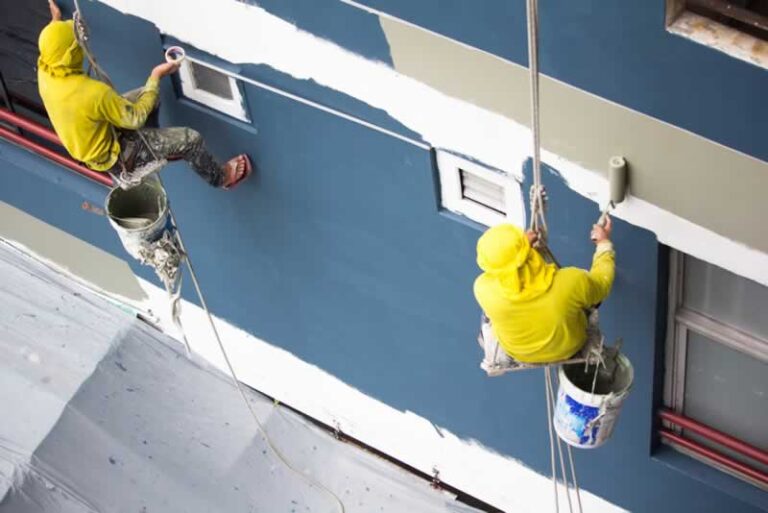
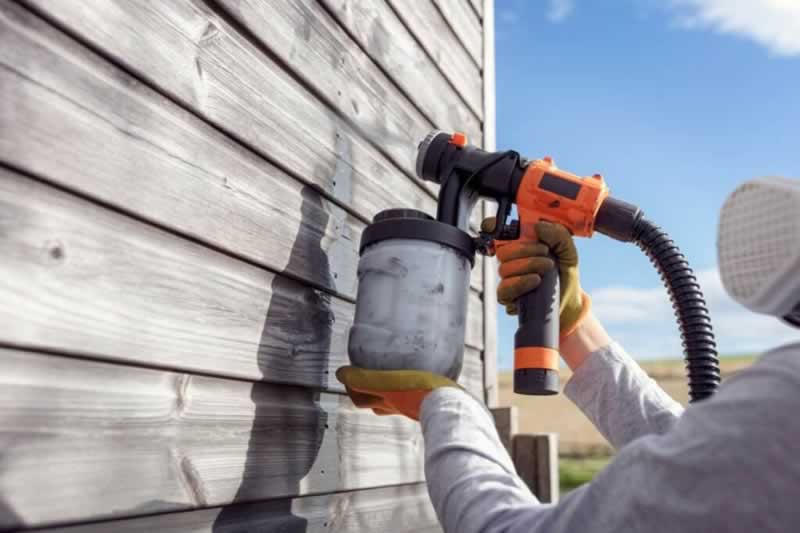
An HVLP spray gun is suitable for both exterior and interior painting jobs as it provides efficient coverage and produces less noise. Compared to the other airless sprayers, it stands out much more as it can be used for both exterior and interior painting, while the other sprayers are only suitable for outdoor art.
Operating Principle
The atomization process is when spray paint guns turn liquid paint into thousands of tiny droplets. Paint can be applied almost at the molecular level to the surface through the use of atomized droplets. HVLP Paint Sprayers are equipped with several components that work together in unison. HVLP Paint Sprayers have the most advanced spraying technology and are therefore the most efficient. Other older technologies include gravity feed and pressure siphon sprinklers. HVLP spray guns are said to be modifications of conventional spray guns. The first operation of the HVLP spray gun relies on the air compressor as it atomizes the paint to spray at high volume and low pressure as desired. HVLP Paint Sprayers are equipped with several components that work together in unison. HVLP Paint Sprayers are the latest spraying technology and therefore the most efficient. Other older technologies are pressure siphon sprinklers and gravity feed sprinklers. In pressure guns, the fluid was pressurized and then allowed to flow through a small opening, controlled primarily by a valve that could be operated by hand. In siphon guns, the airflow past the reservoir creates a low pressure that sucks up the paint, breaking it up into small particles as it exits the gun opening.
Settings
When operating the paint spray gun, there are three things to remember; air pressure, paint flow, and fan size. Most manufacturers recommend an inlet pressure of 30 psi to 50 psi. Higher air pressure will cause the paint to atomize more, but it will also cause overspray. The “orange peel” phenomenon is also increased by excessive atomization. This happens because the solvents in the paint dry faster than the pigments in the paint. A wider fan will result in a decrease in the amount of material being distributed. This means that you may need to spray the same area twice to achieve the desired finish. Now you can adjust the paint flow. This will only be possible if you use the right paint. It should be set once you have done it. The final component of the spray is the air cap. Holes are precisely drilled and positioned for the best spray pattern.
Performance
An HVLP compressor spray gun helps to get the best quality coverage and excellent quality paints. But the best part about these guns is that with the air compressor you can achieve any pressure you want. People use HVLP spray guns especially when their goal is to achieve a fine spray. It was about the air compressors, but when we talk about the turbine units of the HVLP spray guns, we must know that they are portable. They can be transported anywhere and the hot air produced by the sprayer helps to dry the paint faster than usual, which means there will be no clogging problems in the paint gun hose. The only problem with HVLP spray guns is that they don’t work with thick paints and require thinned paints to spray. Due to the presence of an air compressor and turbine, the HVLP spray gun produces very low or minimal noise, while the presence of a piston for spraying paint in airless sprayers creates noise.
Material Viscosity
You may know that before applying some paints, we need to dilute them to get better quality and coverage. And the same should be done with HVLP spray guns. When a painter works with an HVLP spray gun, he needs to thin the paint as the pressure of the HVLP spray gun is low. And when it comes to an airless sprayer, he does not need to thin the paint for these sprayers as they spray paint at high pressure. Thick paints like latex or enamel require thinning with the help of mineral spirits or thinners.
Precautions
When it comes to paints, you should be aware that they are made from harsh chemicals that can harm a person’s eyes or any other part of the body if they come into contact. To avoid any mishaps or any other injuries, a person should make sure to take all the precautions mentioned on the paint package label as advised by the manufacturers. And one more thing you need to follow is to wear the proper protective gear to avoid contact of the paint with any sensitive part of the body. Protective equipment such as safety glasses, rubber gloves, protective shoes, and a face mask must be worn to prevent injury, as safety is the priority for every individual.
Conclusion
While these three features are helpful in creating the perfect pattern, it’s important to prepare your painting correctly and test it with various settings. Once you have the pattern right, you can never go wrong with that paint setup. Once you try to paint with a paint sprayer you’ll never take the brush into your hands again.