Looking to add some extra oomph to your next DIY project? Check out these six interesting heavy machines that can help you get the job done. From excavators to skid steers, these powerful tools can help you tackle even the most challenging projects. So why not give one a try on your next project?

You might be surprised at how helpful they can be.
Excavators
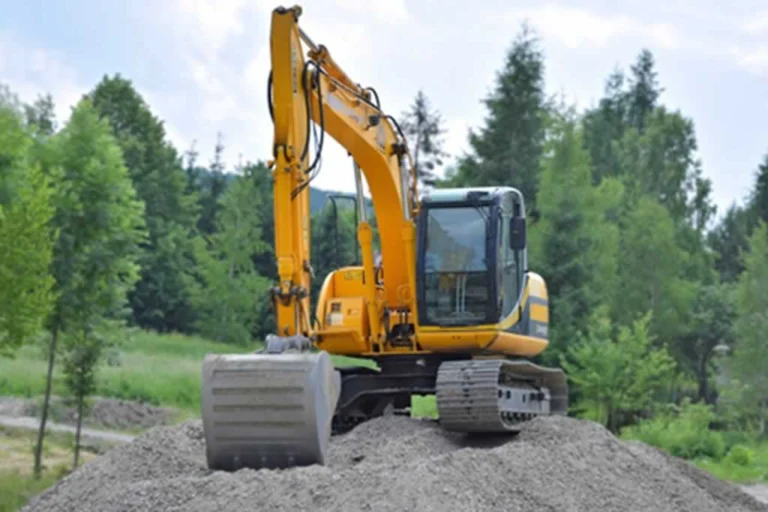
Clearing the site before a big DIY project is essential for finishing a job successfully. Lots of people are also getting additional excavator rubber track pads in order to reduce the damage to driveways, sidewalks, and other surfaces. Excavators are great heavy machines used for digging out dirt, grading land, demolishing structures, and more. They come in different sizes and shapes depending on their purpose. The smaller excavators can be used for landscaping projects while the larger excavators are suited for construction tasks. They are ideal for performing excavations, earthmoving, digging trenches, and loading trucks with excavated material. Excavators can also be used to move materials around the worksite quickly and efficiently. An excavator is a versatile machine that can help you tackle many DIY projects in your yard or garden, such as clearing land for a new shed, digging foundations, and excavating for a pool. It can also be used to excavate an area for a patio or deck, dig a trench for a fence or irrigation system, or excavate material to fill in holes or low-lying areas.
Skid Steer
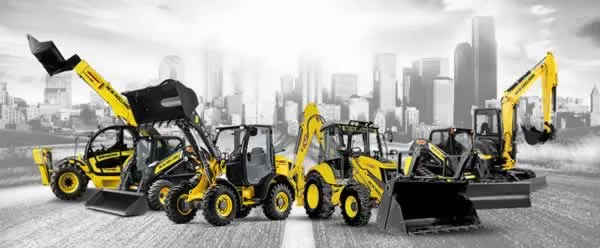
A skid steer is a heavy machine great for DIY projects. They are typically smaller in size and have wheels that skid easily across the ground, allowing them to move around quickly and efficiently. Skid steers come equipped with a hydraulic arm that can be used to lift, scoop, and carry material from one area of your yard or garden to another. These machines can help you tackle many DIY projects in your yard or garden, such as digging trenches for drainage systems or irrigation lines or grading an area for a new shed or pool. They’re also great for removing stumps and roots, hauling away debris, building earthen dams, filling in low-lying areas with soil or gravel, and backfilling foundations.
Compact Tractor
This particular machine can be useful for various jobs. These are the following:
- Landscaping
- Farming
- Groundskeeping
- Plowing Snow
- Digging Holes
- Land Clearing
- Augering Stumps and Fences
- Moving Heavy Objects
Compact tractors are particularly great for homeowners and DIY projects. They offer greater maneuverability than larger equipment, allowing you to get into tight spaces and complete projects quickly. Additionally, compact tractors have a lower weight capacity than their larger counterparts, meaning they are less likely to damage your yard or property while in use. Compact tractors are also more affordable than other types of heavy machinery and can be used for multiple tasks.

Power Trowel
A power trowel is an essential power tool for any DIY project. It is a heavy machine that can be used to finish concrete or asphalt surfaces and provides a smoother, flatter, and more consistent finish compared to hand trowelling. With their power motor and large blades, power trowels are capable of covering very large areas in much less time than traditional methods. They also have adjustable handlebars that make it easier to control the speed and direction of the power trowel at any height.
Concrete Mixer
Mixing concrete is an integral part of many DIY projects, and a concrete mixer is a perfect tool for getting the job done quickly and efficiently. It is a heavy machine that uses an electric or diesel motor to mix concrete with aggregates in order to make a concrete slurry. The concrete slurry can then be used in any construction project, from an outdoor patio to a full-scale residential building. The advantages of using a concrete mixer are numerous: they are easy to use, require minimal setup time, and do not require additional labor or specialized skills. Furthermore, they offer improved speed and efficiency when compared to manual mixing methods.
Generator
You always want to have a spare source of power in case of emergencies, which is why a generator can be a great addition to your home. Whether you are looking for some DIY projects or just to have a generator as a backup power source, it is the way to go. It’s an incredibly powerful machine and its design makes it easy to use and reliable even under varying conditions. Plus, the generator comes equipped with many additional features like low-noise operation, overload protection, automatic shutoff, or adjustable output voltage that make it perfect for any job. It’s lightweight and portable so you can take it anywhere you need and start working right away.
DIY projects require a lot of equipment if you want them to be executed smoothly. All these can be of great help for a number of jobs you may want to do around your home. Make sure to do some research to see what to get and read the manuals so you know how to use them!