

Do you have a crack in your foundation? Are you dealing with a sunken or sloping floor? Are your doors or windows getting stuck now and then? Whatever the problem you are facing with your foundation, plan to fix it as soon as possible. Otherwise, you risk paying for massive house repairs.

Still, when these issues catch you off guard, you may opt to repair the foundation yourself to cut repair costs. So, do you know the tools that you’ll need to get the job done correctly and ensure it lasts for long? If you aren’t sure, consider the following five essential tools recommended by Professional Foundation Repair.
A Crack Injector System
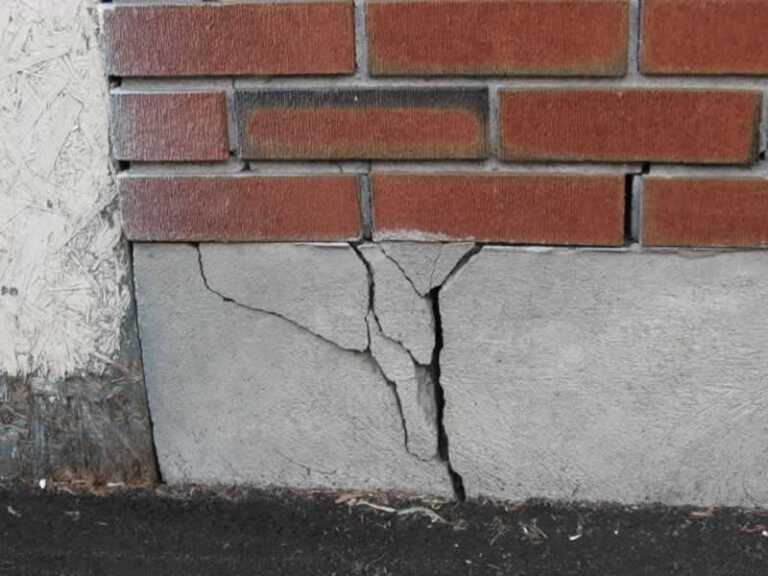
Cracked foundations are caused by a wide range of factors. No matter the cause, such cracks are entry points for water, gas, or pesky insects. Besides, if not checked, they can metamorphose into major structural issues. It takes more than quick surface treatments to fix such rifts. You need something that can fill the entire depth of the crack. A high or low-pressure crack injector system will do just that. This crack injector system works by injecting a liquid polymer substance that hardens with time and seals the crack completely. Choose between the two crack injector systems depending on the thickness of the split.
The Injection Products
Once you’ve picked your crack injector system, you’ll then need to find a crack injection material to seal the gap. The material makes the crack-resistant to water, fuel, oil, or any other nearby substance that can leak into it. There are two main types of resins that are often used as crack injection materials: polyurethane or epoxy. Choose between the two resins for a flexible or rigid result depending on the outcome you want. To be sure of the quality of your gum, check on the label for proof of certification.
Carbon Fiber
Most professional contractors prefer using carbon fiber on the foundation cracks. A carbon strap is installed on the basement wall to take any pressure from the walls, reinforcing the resin. Since the strongest carbon fiber is ten times stronger than steel, it works amazingly well to seal horizontal or bowed wall cracks. After the installation and stabilization, use a coat of paint or drywall to hide the carbon fiber sheet.
Bowing Basement Walls Solutions
Bowing basement walls happen when the foundation is under extreme pressure or strain, resulting in cracks. To address this, you need a reliable solution that can make the wall resistant to earth or frost pressure or hydrostatics. The usual remedy for this includes an Abe Jack, which corrects any local displacement by stamping pressure at the tipped area.

Secondly, there is the Helical Tieback, which are screw anchors that provide a basis for holding the wall in place. Whatever choice you make, ensure that it uses pressure in the right direction. Else, you may end up increasing the crack instead.
Pilings
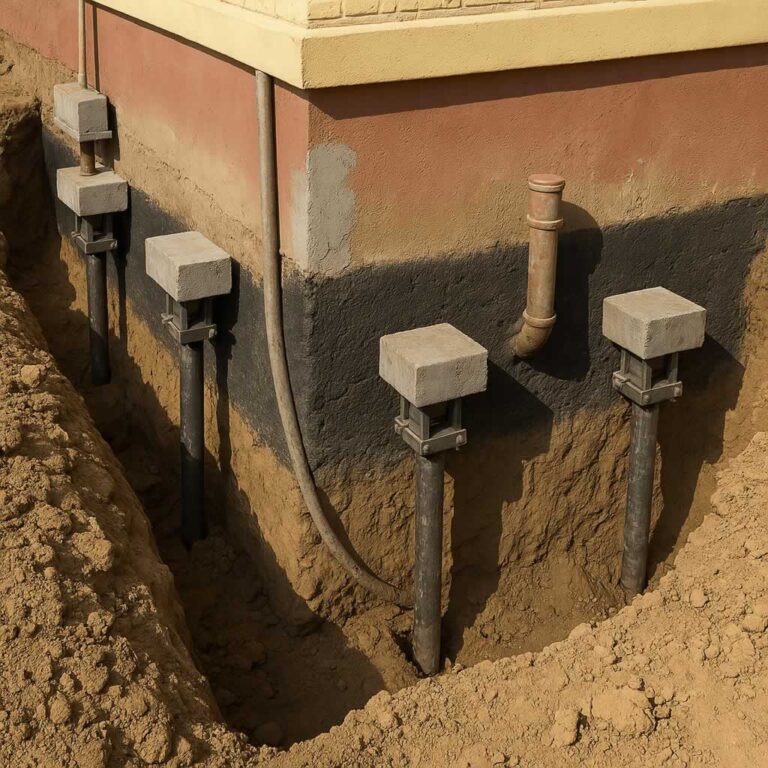
Pilings or underpinning is a method that works to repair faulty foundations by excavating pits at the affected areas and putting concrete in them to underpin the wall. They work best to repair foundation cracks measuring more than ¼ inches wide. In some cases, brackets or screw piles may be used instead of concrete. You may need a helping hand or have to hire a mini excavator when installing the screw piles or brackets. Other ways to underpin the foundation include using a piled raft. This method is best where the soil is difficult to excavate. However, it is important to note that this process is quite delicate. Therefore, you need to follow the user manuals’ instructions to the letter. Also, ensure you seek professional help when you aren’t sure of a procedure.
Conclusion
If you want to do a DIY foundation repair like a pro and stay confident that it stays intact for long, ensure you have the right tools for the job. We’ve listed the five tools to help you seal your foundation crack completely. Nevertheless, like any other construction job, it is always sound to seek expert advice. This way, you are sure that the tools are particularly ideal for the kind of crack or foundation issue you want to fix.



Such an informative post about daily foundation repairs, It will be helpful for everyone those are in trouble to get repair their home appliances. Keep giving updates.