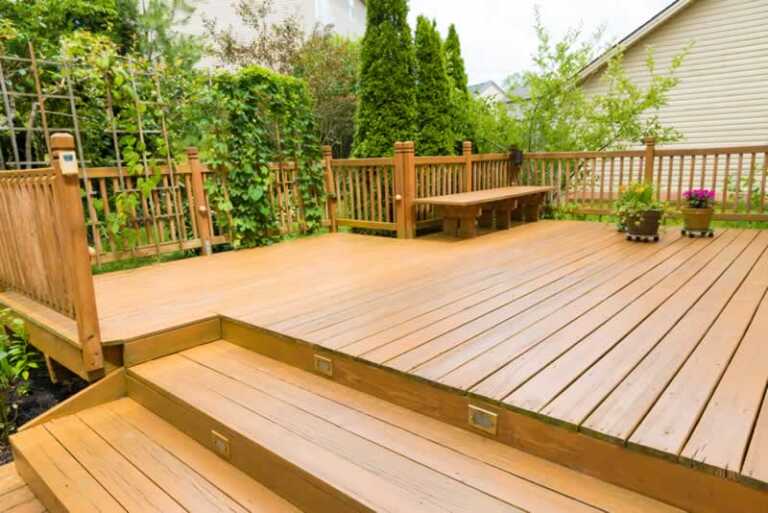

Your deck is more than just an outdoor space—it’s where you gather with friends, relax in the sunshine, or enjoy a weekend BBQ. But over time, exposure to the elements can take its toll. Boards warp, nails come loose, and surfaces start to fade. When that happens, the question arises: Should you opt for deck repair, or is it time for a full replacement?
At Independent Construction, we’ve helped countless homeowners across [Your Service Area] make smart, cost-effective decisions when it comes to restoring their outdoor living spaces. Let’s take a closer look at the factors that help determine whether deck repair or full replacement is the best option for your home.
When Is Deck Repair the Right Choice?
In many cases, deck repair is all you need to extend the life of your current structure—especially if the overall frame is still strong and stable. Repairing a deck can be quicker and more affordable, allowing you to fix trouble spots without rebuilding the entire thing.
Consider repair if:
- Only a few boards are warped, cracked, or splintered
- Railings are loose, but the main frame is secure
- There’s minor water damage or surface staining
- You’re dealing with cosmetic issues like fading or paint peeling
- The structure is under 10–15 years old and passes safety inspections
At Independent Construction, our skilled team can assess the damage and perform targeted repairs that restore both the safety and visual appeal of your deck—often without the need for a full overhaul.

When a Full Deck Replacement Makes Sense
While repairs are great for isolated issues, a deck replacement may be the better option when the damage is widespread or the structure no longer meets safety standards.
You may need to replace your deck if:
- The support structure is rotting, shifting, or unstable
- You notice signs of widespread wood decay or insect damage
- The deck is over 15–20 years old and has had multiple repairs already
- Boards are consistently warping, cracking, or pulling away
- You’re planning to upgrade materials (like switching from wood to composite)
Replacing your deck gives you the opportunity to start fresh, choose upgraded materials, and even redesign your space to better fit your needs. It also offers peace of mind knowing your new structure is safe, compliant, and built to last.
Factors to Evaluate: Repair vs. Replace
When faced with the decision to repair or replace your deck, several factors should be evaluated to determine the best course of action. One of the first considerations is the extent of the damage. Minor issues such as small cracks, loose boards, or surface mold can often be addressed with repairs. However, if the damage is widespread or affects the structural components of the deck, replacement may be necessary to ensure safety and longevity.
Another critical factor is the cost. While repairing a deck is generally less expensive than replacing it, the long-term costs should be considered. If the deck requires frequent repairs or if the cost of repairs approaches the cost of a new deck, replacement might be the more economical choice in the long run. Additionally, the availability of materials and the potential for future maintenance costs should be factored into your decision-making process.
The desired lifespan and usage of the deck also play a significant role in this decision. If you plan to use your deck extensively and want it to last for many years, investing in a replacement with high-quality materials might be the best option. On the other hand, if you’re looking for a temporary solution or if the deck is not a primary feature of your home, repairs may suffice. Evaluating these factors helps you make a well-informed decision that aligns with your needs, budget, and long-term goals.
Cost Analysis: Repairing vs. Replacing Your Deck
Understanding the cost implications of repairing versus replacing your deck is crucial for making an informed decision. Repairs typically involve costs related to materials, labor, and any necessary permits. Common repair expenses include replacing damaged boards, fixing loose or corroded fasteners, and addressing issues such as mold or rot. While these costs can add up, they are generally lower than the expense of a full deck replacement.
Replacing a deck, on the other hand, involves more significant financial investment. The costs include demolishing the old deck, purchasing new materials, and labor for construction. Additionally, you may need to obtain permits and pay for inspections, depending on local regulations. However, a new deck can offer better durability and lower maintenance costs in the future, potentially offsetting the initial expense. It’s essential to consider the long-term value and benefits of a new deck when evaluating the cost.
It’s also important to factor in the potential increase in property value that a new deck can provide. A well-designed and durable deck can enhance your home’s appeal and attract potential buyers if you decide to sell. In contrast, a deck that requires frequent repairs or appears worn can detract from the overall value of your property. By conducting a thorough cost analysis and considering both immediate and long-term expenses, you can make a financially sound decision that meets your needs and budget.
How to Decide Between Deck Repair and Replacement
Making the right call depends on your goals, the condition of your current deck, and your budget. The best first step is to schedule a professional inspection. At Independent Construction, we provide a thorough assessment and walk you through your options, so you can make an informed decision without pressure.

Some of our clients start with repairs and plan for a full replacement down the road. Others choose to replace right away, especially if they’re preparing their home for sale or investing in long-term curb appeal.
Long-Term Benefits of Repairing vs. Replacing
Evaluating the long-term benefits of repairing versus replacing your deck is essential for making a decision that aligns with your goals and budget. Repairing your deck can extend its lifespan and maintain its functionality and appearance. This option is often more cost-effective in the short term and allows you to address specific issues without the need for a complete overhaul. Regular maintenance and timely repairs can help you enjoy your deck for many years to come.
However, replacing your deck offers several long-term advantages that may outweigh the initial investment. A new deck can provide improved durability, safety, and aesthetics, making it a valuable addition to your home. Modern materials and construction techniques can enhance the deck’s performance and reduce maintenance requirements, saving you time and money in the long run. Additionally, a new deck can increase your property’s value and appeal, making it an attractive feature for potential buyers.
Ultimately, the decision to repair or replace your deck depends on various factors, including the extent of damage, cost considerations, and your long-term goals. By carefully weighing the benefits of each option and considering your specific needs, you can make an informed choice that ensures your deck remains a cherished and functional part of your home for years to come. Whether you opt for repairs or a complete replacement, investing in your deck’s longevity and performance is a decision you won’t regret.
Conclusion: Making an Informed Choice for Your Deck
Deciding whether to repair or replace your deck is a significant decision that requires careful consideration of various factors. By understanding the importance of deck maintenance, recognizing the signs of damage, and evaluating the extent of issues, you can make an informed choice that ensures the safety, functionality, and beauty of your outdoor space. Whether you choose to repair minor issues or invest in a complete replacement, the goal is to create a deck that meets your needs and enhances your home’s value.
Cost analysis plays a crucial role in this decision-making process. Comparing the expenses of repairs versus replacement, along with considering the long-term benefits and potential increase in property value, helps you make a financially sound choice. Choosing the right materials and deciding between a DIY approach or professional help further influence the outcome of your project. By addressing environmental considerations and selecting sustainable options, you can contribute to a healthier planet while enjoying a beautiful and functional deck.
Ultimately, the decision to repair or replace your deck comes down to your specific circumstances and goals. By carefully evaluating all the factors and seeking expert insights, you can confidently make a choice that ensures your deck remains a cherished part of your home for years to come. Whether you breathe new life into your existing structure or embark on a brand-new project, your investment in your deck will provide lasting enjoyment and value.