
Whether you’re looking to buy a new air conditioner or heat pump, you’ll need to know how to compare the two. Aside from the price, there are several factors to consider. Read on to find out the difference between air conditioner and heat pump.

What is an air conditioner?
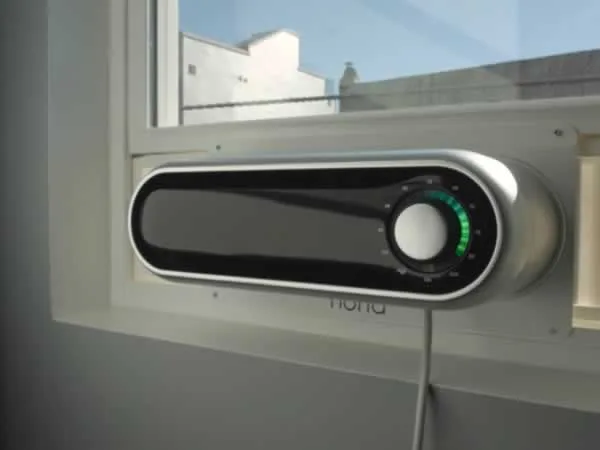
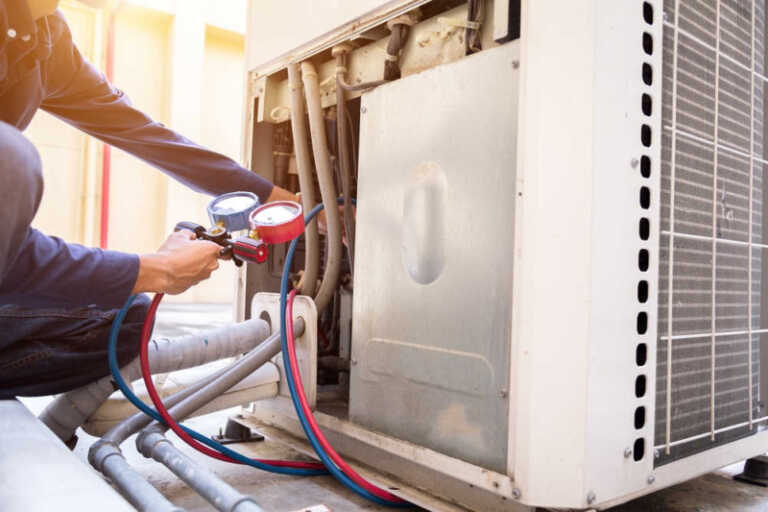
Generally speaking, air conditioners are used to cool homes and other buildings. They work by using a special chemical called refrigerant. A refrigerant absorbs heat when it is in a liquid state and converts it back into a gas when it is heated. Air conditioners can be installed inside your home or outside your home. In either case, the unit is connected to your home by refrigerant lines. The unit can be a small wall-mounted unit or a large central unit. A basic air conditioning system contains three main parts: the indoor unit, the outdoor unit, and the air handler. Each part has a different role in the cooling process. A typical air conditioning system includes a compressor, condenser, evaporator, fan, and an air handler.
The compressor, also known as the heart of the system, works to pump refrigerant from the outdoor unit to the evaporator coil. The compressor works by raising the refrigerant gas temperature. When heated, the refrigerant turns into a gas that can be expelled from the outdoor unit. An air handler is the brain of the system, and it moves the cooled air into your home. It is often confused with your furnace. Air conditioners are available in a variety of sizes, and are available as single-stage or multi-stage. A two-stage air conditioner is more energy efficient than a single-stage. When the indoor temperature exceeds the thermostat’s setting, the two-stage air conditioner turns on. When the job is done, the two-stage air conditioner automatically turns off.
What is a heat pump?
Using a heat pump can make your home more comfortable. It’s also less harmful to the environment than burning fossil fuels, such as coal or natural gas. It can save you money on your energy bills and can last for years. A heat pump can be used to provide heat for your home, cool your home, or even heat water. It uses refrigerant and electricity to transfer thermal energy from one location to another. It also has a reverse function, which means that it works in the opposite direction, removing heat from the outside. A heat pump can be combined with a furnace for energy-efficient heating. The two systems are a great way to reduce greenhouse gas emissions.
The technology of heat pumps has come a long way. Heat pumps are three times more efficient than gas boilers. Heat pumps are also quieter inside the house. A heat pump can be used to heat your home in the winter, and cool it in the summer. It works by pumping heat out of the outdoors. It can also act as a whole home dehumidifier on humid days. A heat pump can reduce your energy bills by up to 30%. It can also save you money on maintenance and repair costs. However, you will need to consider a few factors before deciding to install one in your home.

What are the pros and cons
Whether you’re new to air conditioning or are thinking about replacing your old unit, there are some things you need to know about this type of home comfort system. Among the most important is how to choose a unit that is best for your home. A standard air conditioning unit has a compressor and an evaporator coil. These components convert a refrigerant gas into a liquid and use it to cool air. A heat pump uses the same components, but it has a different reversing valve to help reverse the flow.
Heat pumps are known for their low maintenance and energy-efficient capabilities. They also reduce carbon emissions, which makes them a good choice for both heating and cooling. The first thing you need to understand about heat pumps is that they do not operate as well in colder climates. However, they are more efficient in moderate climates. While they have a high upfront cost, they can save you money over time. In fact, a heat pump can save you up to $667 a year on your utility bills. Another benefit of a heat pump is that it works year-round. It is more efficient to run a heat pump than it is to run an air conditioning unit. Another thing you need to know about heat pumps is that they have a high SEER rating. This is the measurement of how efficiently the system operates, similar to the miles per gallon rating on a car.
Conclusion
When it comes to air conditioning, there are a lot of things to consider. You need to decide which type of system is best for your home, and you need to know how to choose the right air conditioner unit. In this blog post, we have outlined the pros and cons of standard air conditioning units and heat pumps. We have also provided information on how to choose the best unit for your needs.