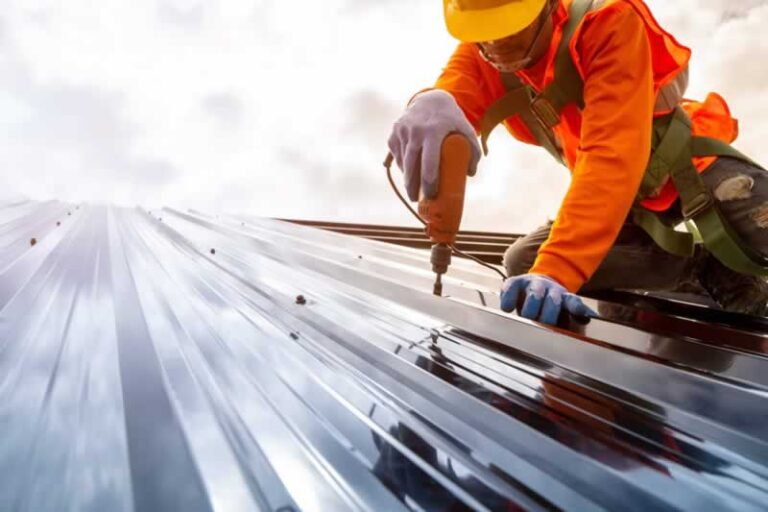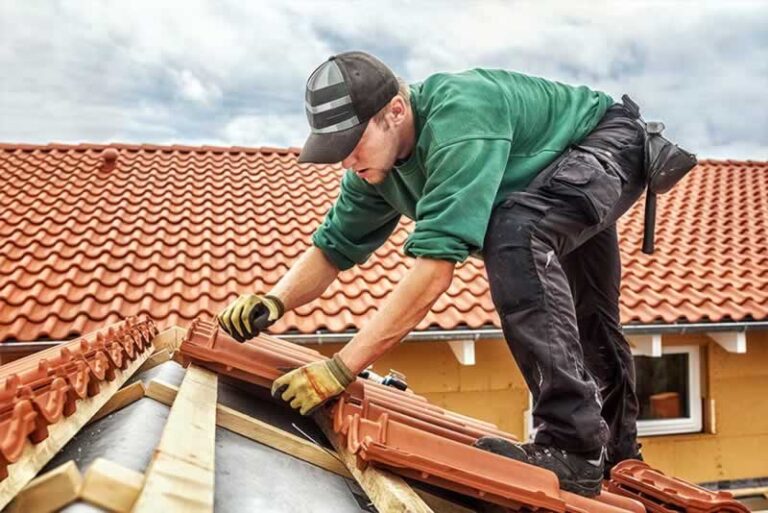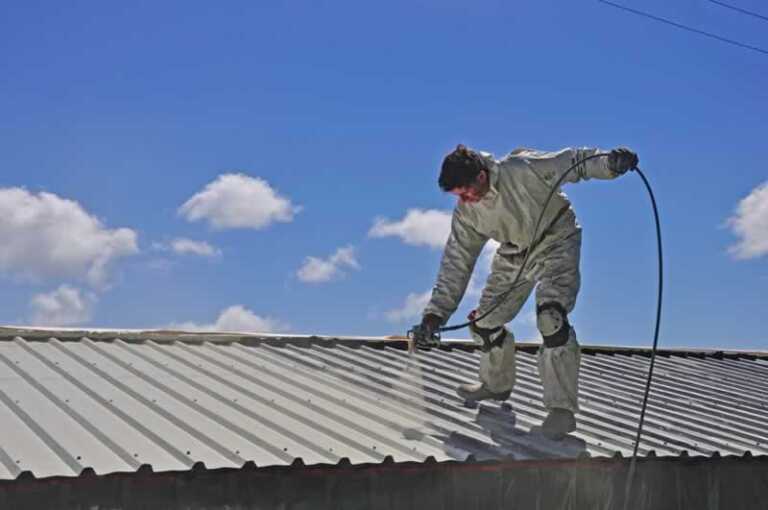

Commercial roofing encompasses a wide range of roofing systems specifically designed to meet the needs of commercial buildings, industrial establishments, and other non-residential structures. Unlike residential roofing, commercial roofs often cover much larger areas and must support heavy equipment like HVAC systems, thus requiring robust materials and engineering. The primary objective is to provide a durable, long-lasting protective layer that shields the building from environmental elements, such as rain, wind, snow, and extreme temperatures.
There are various types of commercial roofing systems available, each with its own set of advantages and disadvantages. These systems include traditional options like built-up roofing (BUR), modified bitumen, and single-ply membranes like TPO, EPDM, and PVC. Emerging technologies and materials are also gaining popularity, offering enhanced performance and sustainability. Understanding the unique requirements of your building and the specific benefits of each roofing type is crucial to making an informed decision.
Selecting the right commercial roofing solution, like Serva Health – roofing contractors NH, involves careful consideration of several factors, including the building’s design, geographical location, climate conditions, and intended use. Additionally, budget constraints and long-term maintenance needs play a significant role in the decision-making process. By thoroughly understanding the landscape of commercial roofing, property owners and facility managers can better navigate the complexities of choosing the ideal roofing system for their buildings.
Importance of Quality Roofing for Building Longevity
A high-quality roofing system is a critical investment for any commercial property, as it directly impacts the building’s overall integrity and longevity. A robust roof acts as the first line of defense against harsh weather conditions, preventing water infiltration, structural damage, and energy loss. Poorly installed or substandard roofing can lead to significant issues, including leaks, mold growth, and compromised structural integrity, which can be costly to repair and pose serious safety risks.
Energy efficiency is another crucial aspect tied to the quality of commercial roofing. A well-insulated and properly installed roof can significantly reduce heating and cooling costs by maintaining a stable indoor temperature. This not only lowers energy bills but also contributes to a more comfortable working environment, enhancing employee productivity and well-being. Additionally, energy-efficient roofing solutions can help businesses reduce their carbon footprint, aligning with broader sustainability goals.

Investing in a high-quality commercial roofing system also adds value to the property. A durable and well-maintained roof can enhance the building’s curb appeal and market value, making it more attractive to potential buyers or tenants. Furthermore, a reliable roofing system minimizes the need for frequent repairs and replacements, ensuring that the building remains in optimal condition for years to come. Ultimately, prioritizing quality roofing is a proactive step towards safeguarding the longevity and value of your commercial property.
Types of Commercial Roofing Solutions
Commercial roofing solutions come in various forms, each tailored to meet specific needs and preferences. Built-up roofing (BUR) is one of the oldest and most reliable options, consisting of multiple layers of bitumen and reinforcing fabrics. This type of roofing offers excellent durability, resistance to UV radiation, and low maintenance requirements. However, it can be relatively heavy and may require structural reinforcement in some cases.
Modified bitumen roofing is another popular choice, known for its flexibility and ease of installation. It consists of asphalt modified with polymers, which enhances its strength and elasticity. Modified bitumen roofs are typically installed in multiple layers, providing superior waterproofing and resistance to extreme weather conditions. This type of roofing is ideal for buildings with flat or low-slope roofs and can be applied using various techniques, including torch-applied, cold-applied, and self-adhered methods.
Single-ply membranes, such as TPO (thermoplastic olefin), EPDM (ethylene propylene diene terpolymer), and PVC (polyvinyl chloride), are increasingly popular due to their lightweight, energy-efficient, and environmentally friendly properties. These membranes are typically installed in a single layer, making them easier to install and repair compared to multi-layer systems. Each type of single-ply membrane has its unique advantages: TPO is known for its energy efficiency and resistance to UV radiation, EPDM offers excellent durability and flexibility, and PVC provides superior chemical resistance and ease of maintenance.
Key Features to Consider in a Commercial Roof
When selecting a commercial roofing system, several key features should be taken into account to ensure optimal performance and longevity. Durability is paramount, as the roof must withstand various environmental stressors, such as heavy rainfall, strong winds, and temperature fluctuations. Materials with high tensile strength and resistance to punctures, tears, and impact damage are essential for maintaining the roof’s integrity over time.
Energy efficiency is another crucial factor, particularly for businesses looking to reduce operational costs and minimize their environmental impact. Reflective roofing materials that deflect sunlight and reduce heat absorption can significantly lower cooling costs during hot weather. Additionally, proper insulation and ventilation are vital for maintaining a stable indoor climate and preventing energy loss. Energy-efficient roofing solutions not only save money but also contribute to a more sustainable and eco-friendly building.
Ease of maintenance and repair is also an important consideration. A roofing system that requires minimal upkeep and can be easily repaired in case of damage will save time and money in the long run. Look for materials that are resistant to common issues like mold, mildew, and algae growth, as these can compromise the roof’s integrity and appearance. Additionally, ensure that the roofing system is compatible with any existing structures or equipment, such as HVAC units, to avoid complications during installation and maintenance.
Innovative Roofing Materials and Technologies
The commercial roofing industry continues to evolve, with innovative materials and technologies paving the way for more efficient, durable, and sustainable roofing solutions. One such advancement is the development of cool roofing materials, which are designed to reflect more sunlight and absorb less heat compared to traditional roofing materials. Cool roofs can significantly reduce the urban heat island effect, lower cooling costs, and improve indoor comfort, making them an excellent choice for buildings in hot climates.
Green roofs, or vegetative roofing systems, are another innovative solution gaining popularity for their environmental and aesthetic benefits. These roofs consist of a waterproof membrane covered with soil and vegetation, creating a natural, living roof. Green roofs provide excellent insulation, reduce stormwater runoff, and improve air quality by filtering pollutants. They also offer a unique and visually appealing green space that can be utilized for recreational or social activities.
Advancements in roofing technology have also led to the development of smart roofing systems, which integrate sensors and monitoring devices to provide real-time data on the roof’s condition. These systems can detect moisture, temperature changes, and structural stress, enabling property owners to address potential issues before they become significant problems. Smart roofing technology enhances preventive maintenance efforts, reduces the risk of unexpected failures, and extends the overall lifespan of the roofing system.

Cost-Effective Roofing Solutions for Businesses
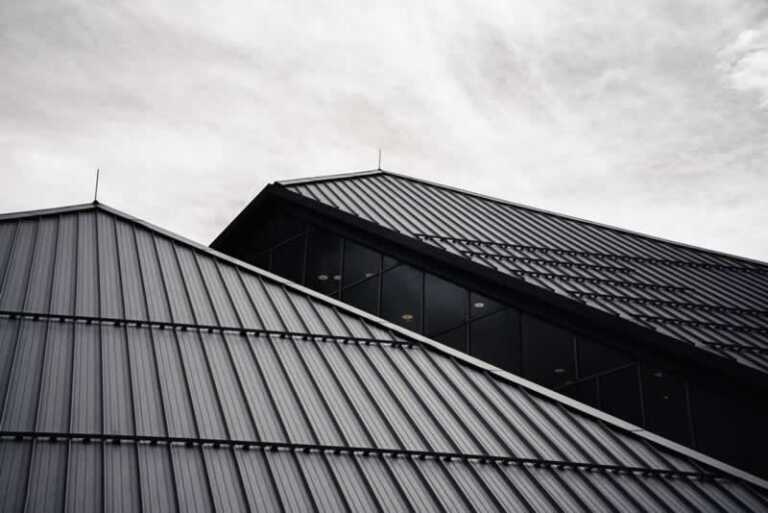
Balancing quality and cost is a common challenge for businesses when selecting a commercial roofing solution. Fortunately, there are several cost-effective options available that provide excellent performance without breaking the bank. One such option is metal roofing, which is known for its durability, energy efficiency, and low maintenance requirements. Metal roofs can last up to 50 years or more with proper care, making them a cost-effective long-term investment.
Another affordable roofing solution is the use of single-ply membranes, such as TPO and EPDM. These materials offer a good balance of cost, performance, and ease of installation. Single-ply membranes are lightweight, flexible, and resistant to various environmental stressors, making them suitable for a wide range of commercial applications. Additionally, their reflective properties can help reduce energy costs, providing further savings over time.
Built-up roofing (BUR) and modified bitumen are also cost-effective options, particularly for flat or low-slope roofs. While the initial installation cost may be higher compared to single-ply membranes, these systems offer excellent durability and longevity, reducing the need for frequent repairs or replacements. Businesses can also explore financing options, grants, and incentives available for energy-efficient and sustainable roofing solutions to further offset the costs.
Conclusion: Investing in Your Building’s Future
Investing in a high-quality commercial roofing system is a crucial step in protecting your building and ensuring its long-term value. By understanding the different types of roofing solutions available, considering key features like durability and energy efficiency, and prioritizing regular maintenance, businesses can make informed decisions that safeguard their property and enhance its performance. Embracing innovative materials and technologies further contributes to a sustainable and cost-effective roofing solution.
Choosing the right roofing contractor is equally important, as their expertise and reliability directly impact the success of the project. By addressing common roofing problems proactively and implementing preventive measures, property owners can avoid costly repairs and extend the lifespan of their roofing system. Ultimately, a well-maintained and high-quality commercial roof is an investment in the future of your building, providing peace of mind, financial savings, and long-term protection.
With the right approach, businesses can navigate the complexities of commercial roofing and select a solution that meets their unique needs and budget. By staying informed and proactive, you can ensure that your commercial roofing system remains a reliable and valuable asset for years to come, contributing to the overall success and longevity of your property.