Your home is your castle and so security is an essential consideration, especially when it comes to the locks in your home. But when choosing a new locking system, it’s not a simple case of one lock type fits all. Installing a new door lock depends on a host of factors you need to consider.

So, if you’re looking to upgrade your home security, we show you how to know the best lock for your needs and how easy they are to get hold of online with sites like FastKeys.
The main types of locks available
At a basic level, there are two types of mechanical lock – deadbolts and knobs/levers. A deadbolt lock is your ‘frontline’ security, while knobs and levers are secondary. Most external front and back doors have a combination of both.
Mechanical locks come in a range of styles, including the main designs:
Mortice locks – as a standard deadbolt lock, a mortice is widely used on main external doors and is lockable from either side. The key operates an internal lever in the lock, which throws a bolt across to keep the door locked within the doorframe. Sash locks, which includes a handle, are another type of mortice lock.
Cylinder locks – this type of lock uses a mechanism with different length pins which follow a key’s pattern. When inserted, the pins line up with the key so it can be turned to open the door.
Night latches – also known as yale locks, these are predominately used as a secondary lock, accompanying the main mortice lock. A yale lock is a cylinder lock that allows you to lock the door when it is closed, locking the latch internally for extra security.
Multi-point locking systems – typically used with uPVC doors, a multi-point locking system has three or more internal locking points, which simultaneously lock when the key is turned. They can also work with a cylinder lock so that when the door handle is turned up, the system is engaged to lock the door.
Digital locks – the latest type of smart technology security lock, digital locks enable you to access your home remotely, without the need for keys.
Consider where you need to lock
As well as knowing the different types of locks available, you also need to consider where in your home you intend to secure – whether it’s an external entry point, or internal doors such as a bathroom, bedroom or home office. When locking a door, you have three main functions when it comes to security and access – entry, passage or privacy. Knowing which applies to the door in question will identify the level of lock security you need; for example, interior doors (passage) require less security and simpler locking mechanisms than an external front door (entry), which may need both main and secondary security locks. And a bathroom could well just need a simple but effective sliding bolt on the inside, to ensure privacy.

Ensure the lock meets safety standards
Whichever door lock you need to buy, always ensure it meets the latest safety standards for the maximum security and quality. For example, a mortice or deadbolt system should come with a Grade 1 rating, meaning it meets current EN safety standards.
Still unsure? Get professional advice
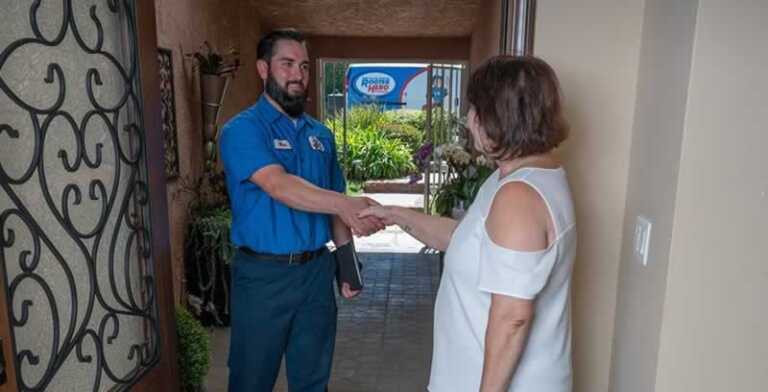
When choosing a new door lock, it’s also essential it complies with the requirements of your home insurance so if you are in any doubt, always get professional advice. A locksmith will not only ensure you get the right lock for your needs but will also professionally install the new system, giving you peace of mind that your home is safe and secure.