
A home is often defined by its windows – the portals that connect our private sanctuaries with the outside world. However, as any homeowner in Montreal, Toronto, or Vancouver can attest, windows are also the primary source of domestic frustration. A common dilemma perfectly captures this: a beautiful detached home can feel like a sun-drenched paradise on a Sunday afternoon, yet transform into a “fishbowl” the moment the interior lights flicker on after dark. Especially with north-facing orientations and large glass spans, many people feel perpetually on display to the street.
The modern resident rarely wants the heavy, dust-collecting bulk of traditional velvet curtains. They aren’t usually looking for a high-tech, overly motorized solution that requires a degree in engineering to operate. They simply want a practical middle ground. This is exactly where window blinds shine. Unlike curtains, which are often “all or nothing,” blinds function as precision instruments. They solve the everyday issues that impact your quality of life: the annoying glare on your 2:00 PM Zoom call, the harsh reflection of low-angle winter sun off the snow, and the loss of privacy that occurs when the sun sets and your home becomes a lantern for the neighborhood.

In Canada, we deal with extreme seasonal swings that dictate how we live. A long summer evening in mid-June can stay bright until late at night, fundamentally altering the mood of a room. Conversely, the winter sun sits low and sharp on the horizon, creating intense glare that can make a living room unusable for hours. This guide is built for real homes – condos, older heritage houses, and modern open-concept spaces – where the goal is to make the window “behave” while enhancing the aesthetic of the room.
Canadian homes are subject to two shifting forces: daylight patterns and temperature fluctuations. Understanding these is the first step in high-level home planning. In the summer, early sunrises can disrupt sleep patterns, especially in nurseries or for shift workers. In the winter, the “Albedo effect” – sunlight reflecting off white snow – can double the brightness entering a south-facing window, leading to significant eye strain. The right window blinds help you control the light you feel, not just the light you see. While window coverings are not a substitute for high-quality double or triple-pane insulation, they do create a critical thermal buffer. By trapping a layer of air between the blind and the glass, you can make a seating area near a large window feel significantly less drafty in January and less like an oven in July.
There is also a profound psychological difference between a bare window and one with a tailored blind. A bare window at night can feel “hard” and exposing. By adding a textured blind, you soften the edges of the room. This “enclosure” effect makes spaces feel more inviting and secure. For street-facing windows, the goal is often “daytime seclusion” – the ability to see out while preventing passersby from seeing in. Slatted blinds are the undisputed champions of this “middle setting,” allowing for light filtration without total closure.
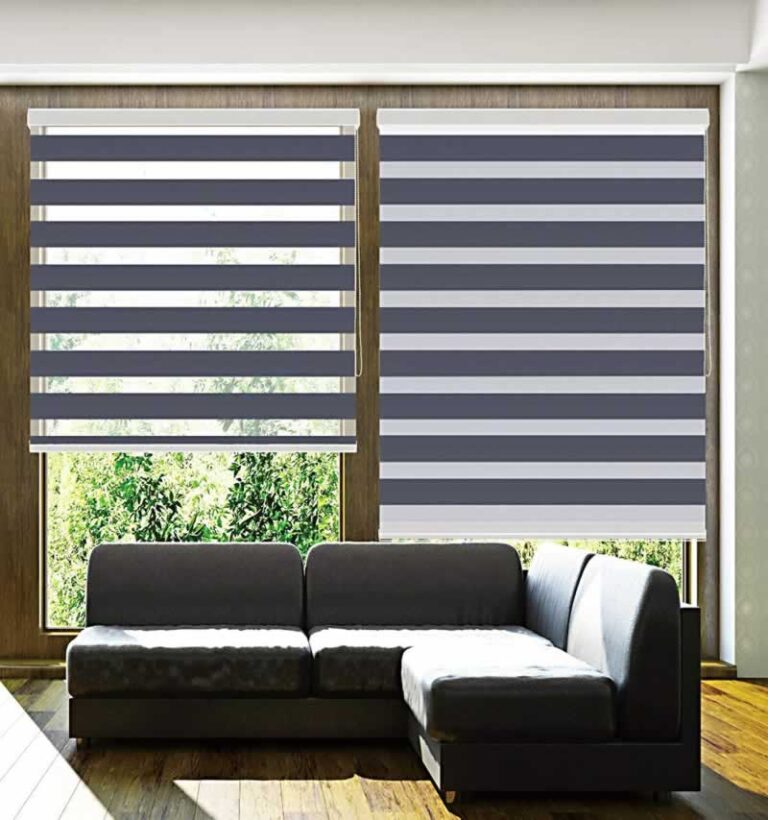
When choosing blinds, most people make the mistake of choosing by color first. To ensure long-term satisfaction, it is better to use a framework that separates three distinct goals: Light Style, Privacy Timing, and Maintenance. Slatted control is about redirecting light. If you have a home office or a TV room, you want the ability to tilt the slats upward. This bounces the light off the ceiling, illuminating the room naturally while removing the direct line of sight to your screen. On the other hand, fabric filtering is about smoothing light. Think of it like a “softbox” in photography. It takes harsh, direct sunlight and turns it into a warm, even glow. This is ideal for dining rooms or north-facing rooms that are naturally a bit dim.
Privacy timing is equally crucial. Ask yourself: When do I need coverage? If it’s a bathroom, you need 24/7 privacy. If it’s a second-story bedroom, you might only care about nighttime coverage. If it’s a street-level living room, you need a solution that handles the transition from “bright and open” at noon to “closed and cozy” at 8:00 PM. Then there are the maintenance realities. Every window covering is a dust magnet to some degree. Real wood and dark-colored slats show dust almost immediately, while faux wood and aluminum are “wipe-and-go.” In kitchens and bathrooms, steam is your enemy. Fabric can mildew, and real wood can warp. Faux wood (PVC/Composite) is often the only logical choice for these “wet” zones.

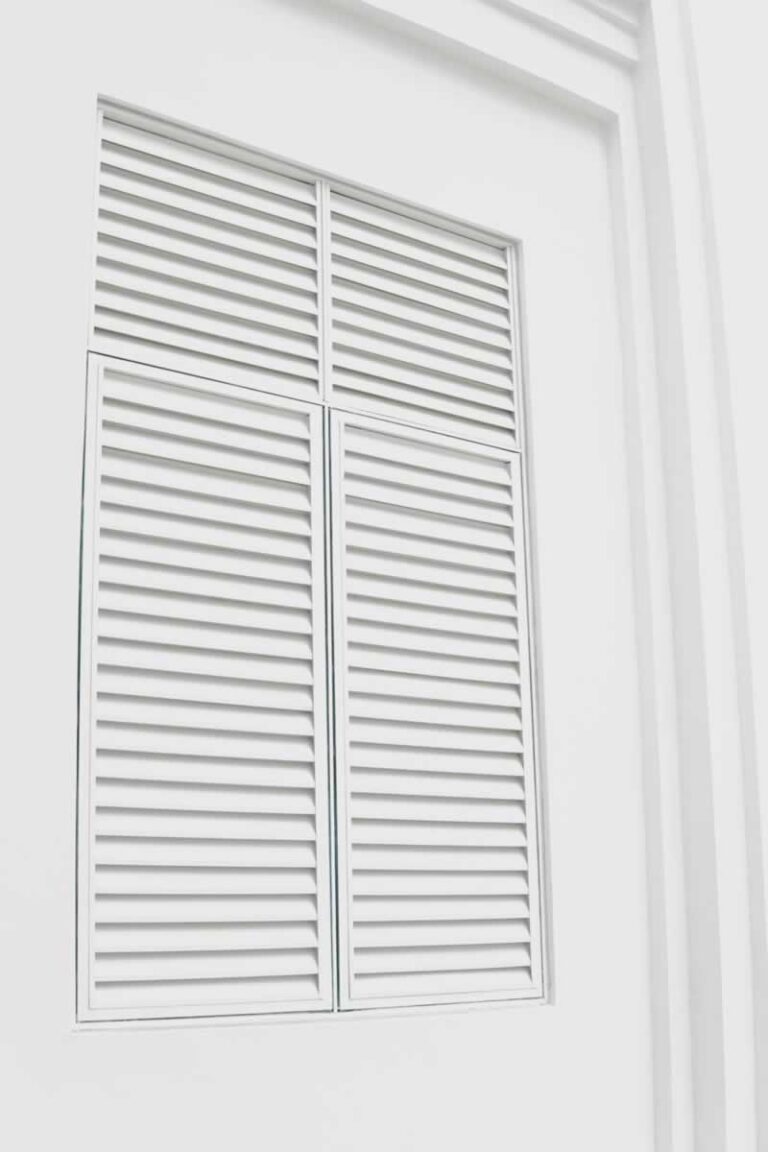
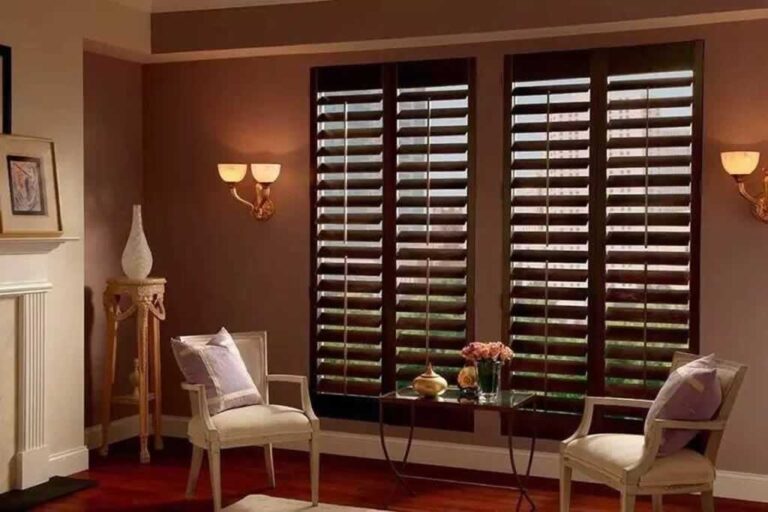
Faux wood blinds are the most popular choice for a reason. They offer the classic, architectural look of 2-inch slats but are made from durable polymers. They are virtually indestructible, humidity-proof, and significantly more budget-friendly than real wood. However, they are heavier than real wood, which can make them harder to lift on very large windows. For those seeking the premium choice, nothing quite matches the grain and warmth of authentic North American hardwood. Real wood is lightweight (easier to operate), provides natural insulating properties, and offers a furniture-grade finish. But it is expensive and sensitive to extreme moisture. Over time, in a high-humidity environment, real wood slats can “bow” or twist.
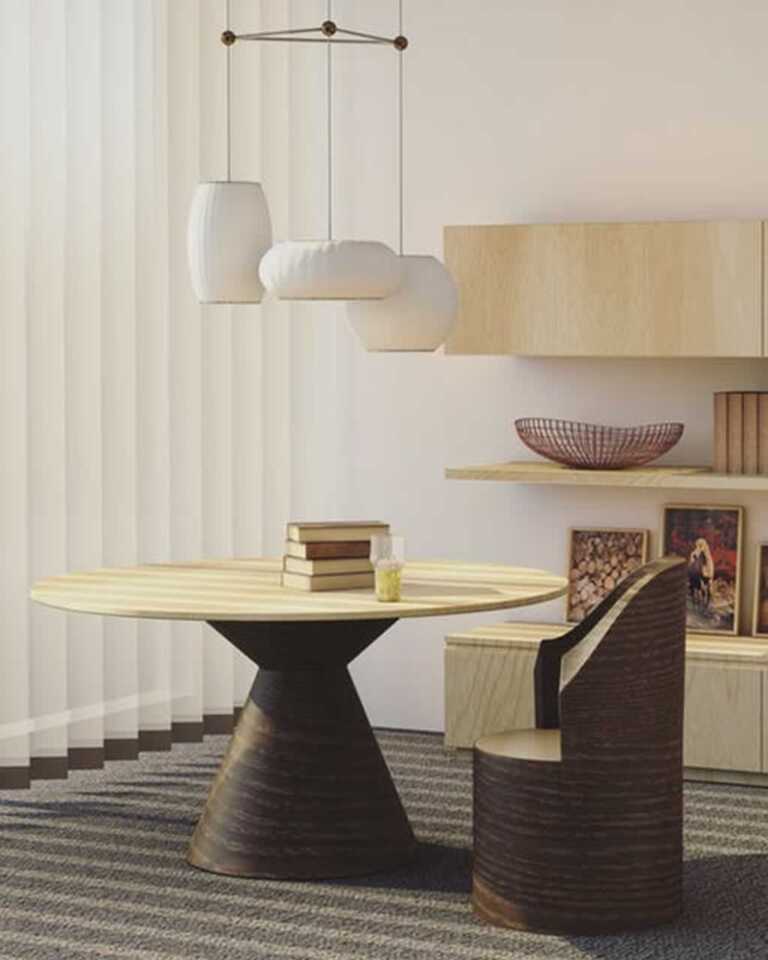
Aluminum is the minimalist and modern pick. Often unfairly associated with cheap office rentals, modern aluminum blinds are sleek, durable, and incredibly functional. They have an extremely thin profile, which is great for shallow window frames, and they come in hundreds of colors. The main downside is that slats can bend if handled roughly by pets or children. For large patio doors or wide openings, vertical blinds – especially modern fabric versions – remain one of the most practical answers available.
In the era of remote work, the home office has become the most important room for window management. If your desk faces a window, you face eye strain. If your back is to the window, your webcam shows a silhouette. The solution is usually 2-inch slatted blinds. By tilting the slats slightly upward, you manage the glare on your monitor while keeping the room bright enough that you don’t need overhead lights. In a nursery, the challenge is tactical. You need total darkness for midday naps, but you also need a system that is 100% safe. Cordless cellular shades or cordless faux wood blinds with an outside mount are ideal. The cordless feature removes the safety risk for toddlers, while the outside mount ensures that no slivers of light wake the baby at 5:00 AM.

Kitchen windows are usually located over the sink, making them hard to reach and prone to splashes. Faux wood or aluminum is best here because you need something you can spray with a mild cleaner and wipe down without worrying about ruining the finish. Avoid fabric in the kitchen, as it will absorb cooking odors over time. Operation style also affects satisfaction more than most people expect. Cordless options keep the window area cleaner and feel easier in busy households. For tall windows or hard-to-reach placements, smoother lift systems – or motorized options – can turn an annoying routine into a one-touch habit.
A “bad blind” story is almost always a “bad measurement” story. To get that clean, custom look, you must follow the three-point rule. Inside mount means the blind sits inside the window casing, looking sleek and professional. However, it requires a certain depth to sit flush. Outside mount means the blind is mounted on the wall or the trim. This is the best choice for blocking out the most light and for hiding uneven window frames. For an inside mount, measure the width at the top, middle, and bottom, then record the smallest number. For the height, measure left, center, and right, and record the largest number.
Have you ever installed a blind and noticed a small gap on one side? This usually happens because the window frame is “out of square.” Most houses settle over time. If you notice your frame is uneven, an outside mount is your best friend. It masks the architectural flaws of the house. Also, pay attention to the hardware quality. The “boring” parts – the headrail, the brackets, and the internal cords – determine longevity. High-quality blinds use steel headrails that won’t sag. Cheap versions often use plastic components that become brittle and break after a few years of UV exposure.
To keep your blinds looking new for a decade or more, adopt a simple cleaning habit. Use a microfiber cloth once a week. If you wait months, the dust combines with ambient moisture to create a “grime” that is much harder to remove. For faux wood or aluminum, you can actually take them down and rinse them in a bathtub with mild soap once a year. For real wood, never use excessive water; use a high-quality wood polish instead. When operating the blinds, always pull cords straight down, not at an angle, to prevent fraying and mechanical wear.
While white is a safe choice, don’t be afraid to use window coverings to anchor the room’s design. Match the undertones of your walls and trim. If your walls are a warm beige, don’t choose a “cool” blue-white blind; it will look mismatched. A popular high-end design trick is to use a functional blind for light control and layer a decorative, non-functional curtain panel on the sides. This adds “softness” to the room while keeping the precision of the blind.
Ultimately, window blinds are not just “window dressings.” They are the interface through which you experience the world outside. By choosing the right material, measuring with precision, and understanding the specific “job” of each room, you transform your home from a place that is sometimes comfortable to a sanctuary that works for you 24/7. Whether you are looking for the durability of faux wood, the elegance of real hardwood, or the sleek utility of aluminum, remember that function should lead the way. A quick “day-in-the-life” check can prevent the wrong purchase. Picture a long summer evening: if your choice handles the morning brightness, the midday glare, and the nighttime privacy without fuss, you have found the perfect fit.
The comfort felt near a window is partly psychological. A bare window can feel “hard,” especially in winter. Coverings soften the edges of the room, reduce the feeling of being exposed, and make seating near windows feel more inviting. It won’t replace insulation, but it often changes how the room feels in a way you notice immediately. Tilt control is the signature advantage of blinds. If sunlight is hitting a screen, you don’t have to close the room – you can angle slats upward to bounce light, or downward to keep views limited. This gives you a middle setting that curtains and many shades cannot replicate.
A practical budget strategy is to spend where you’ll notice the win the most. Main-floor street-facing windows, home offices, and bedrooms are usually high-impact areas where you should invest in quality. Utility rooms and low-use spaces can use simpler, more budget-friendly options. This approach improves daily comfort without turning a whole-home update into a runaway project. Installation preparation is also underrated. Before you order, check what’s around the frame: handles, locks, deep trim, and nearby cabinetry. Then decide whether the control should be on the left or right based on where you naturally stand when you open the window.
If you have kids or pets, choose for durability and easy cleaning first. Wipeable materials reduce stress. Cordless systems reduce dangling cords and also look cleaner. For fabric shades, consider how paw prints, dust, or splashes will be cleaned without leaving marks. If something feels off after installation, check three things. First: measurement – was the width measured in three spots and the correct smallest number used? Second: mount choice – would an outside mount overlap solve the light lines you’re seeing? Third: operation – are you pulling evenly, and is the covering level? Small adjustments here can change the experience significantly.
In the end, the goal of any window treatment is to eliminate the “annoyance factor.” When you no longer have to squint at your laptop, when you no longer feel like your neighbors are watching your dinner, and when your room feels warm and enclosed on a cold winter night, the blinds have done their job. It is a subtle but powerful upgrade to the way you interact with your living space every single day.
The remainder of this guide focuses on the technical nuances of installation and maintenance to ensure your investment stands the test of time.

When we talk about light control, we often overlook the physics of reflection. In a home with large windows, the interior walls act as reflectors. If you have dark walls, they absorb the light, making the blind’s job easier but potentially making the room feel smaller. If you have white walls, they bounce the light everywhere. This is why tilt control is so vital – it allows you to direct that energy where it serves you best. If you choose a material with a high gloss finish, it will reflect even more light. For a softer look, matte finishes on faux wood or aluminum slats are becoming increasingly popular in modern Canadian interior design.
Furthermore, let us consider the longevity of the lift mechanism itself. There are three main types: standard cord, cordless, and motorized. Standard cords are becoming less common due to safety regulations, but they are still found in many existing homes. If you have these, the key to maintenance is checking for tangles and avoiding sudden, jerky movements which can snap the internal gears. Cordless systems use a tension spring. These are wonderful but can lose their “memory” if left in one position for months at a time. It is a good habit to fully open and close your cordless blinds once a week to keep the springs active.
Motorized blinds are the peak of convenience, especially when integrated with smart home systems. They allow you to set schedules – for example, closing all south-facing blinds at 1:00 PM to prevent heat buildup while you are at work. While the initial cost is higher, the energy savings in cooling costs and the protection of your furniture from UV fading often pay for the upgrade over several years.
Finally, do not underestimate the importance of the color of the headrail. Most people assume the headrail will be covered by a valance or “dust cover,” but in many modern minimalist styles, the headrail is exposed. Choosing a color that matches the slats exactly, or matches the window trim, creates a seamless look that makes the blind look like a part of the architecture rather than an afterthought. These small details are what separate a professional installation from a DIY project that feels slightly “off.”