
Welding is work with the risk of hazards and has contributed to both recorded on-site injuries or long-term effects on welding workers. The on-site hazards are usually related to the fire which may occur during welding but more risks actually do exist either.

Even with so high advancements in welding technology, there are still risks on the welding operation. At this point, there are some safety essentials you should take into account when welding.
No Bare Hands, Stay Grounded, Stay Dry
Never touch the welder with your bare hands while welding, especially the electrical parts. It’s very important to use the gloves during the operational and wear boots and/or always stay grounded on rubber or wooden mat. In other hands, it’s very important to keep the welding area wet-free. Electric shock is a hazard most welder deal with, so it requires proper precautions. It’s more fatal to the workers before it sets on fire to the area. That’s why pre-welding precautions are very important before you start welding.
Proper Ventilation
The welding area should be in the open space and well-ventilated due to the high possibility of hazardous gases and fumes creation during the operation which could be deadly. A closed space would trap the substances make them easier to inhale so open space is the excellent one. If it’s in a hangar or workshop, proper ventilation is a must since it allows those harmful substances to flow out from the welding area and keep the safe working space.
Fire Precautions
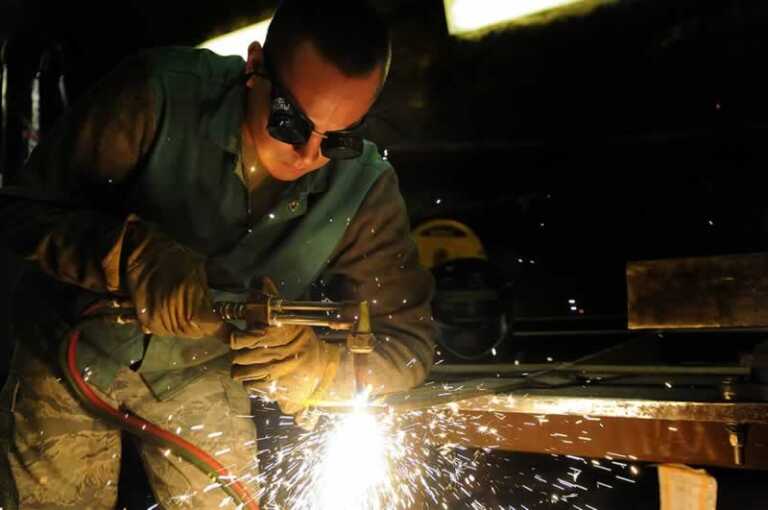
It’s pretty clear that welding sparks are the sign of well-operating welder but they could be hazardous either. A small number of flammable materials or even debris could set on fire. Any gas leaks would create quickfire or even explosions.

At this point, you should keep the area free of those matters and keep the fire precautions as well. Wear fire retardant clothing and keep fire extinguishers across the area or nearby. Ensure the fire precautions are set before you start welding.
Protection Equipment
If you use an arc welder, you’ll be exposed to the hazardous rays which could be harmful to your eyes, skin, and overall health. At this point, you should wear a quality filter lens, helmet, and specific protective clothing while welding. Special welding wears come with inflammable materials and protect you from the harmful rays. It’s very important to apply inflammable partitions if you weld in sections. Even if you’re not welding but still in the area, it’s better to still keep the protection equipment intact. Welding helmets in particular are the most crucial item as they protect your eyes whilst welding as you should not look directly at an arc being made by the welder.
Clearing The Welding Area
It’s very important to keep the working area free from hazardous elements or flying flammable sparks. Set up a pre-welding procedure as a guide to prepare the welding area or you can simply follow the welding regulation. Keep both welding tools, cables, materials, and equipment well-organized. Ensure the availability of the safety gear and equipment in the working area. Being diligent on preparing the working area would significantly reduce the hazards and enhance welding safety.