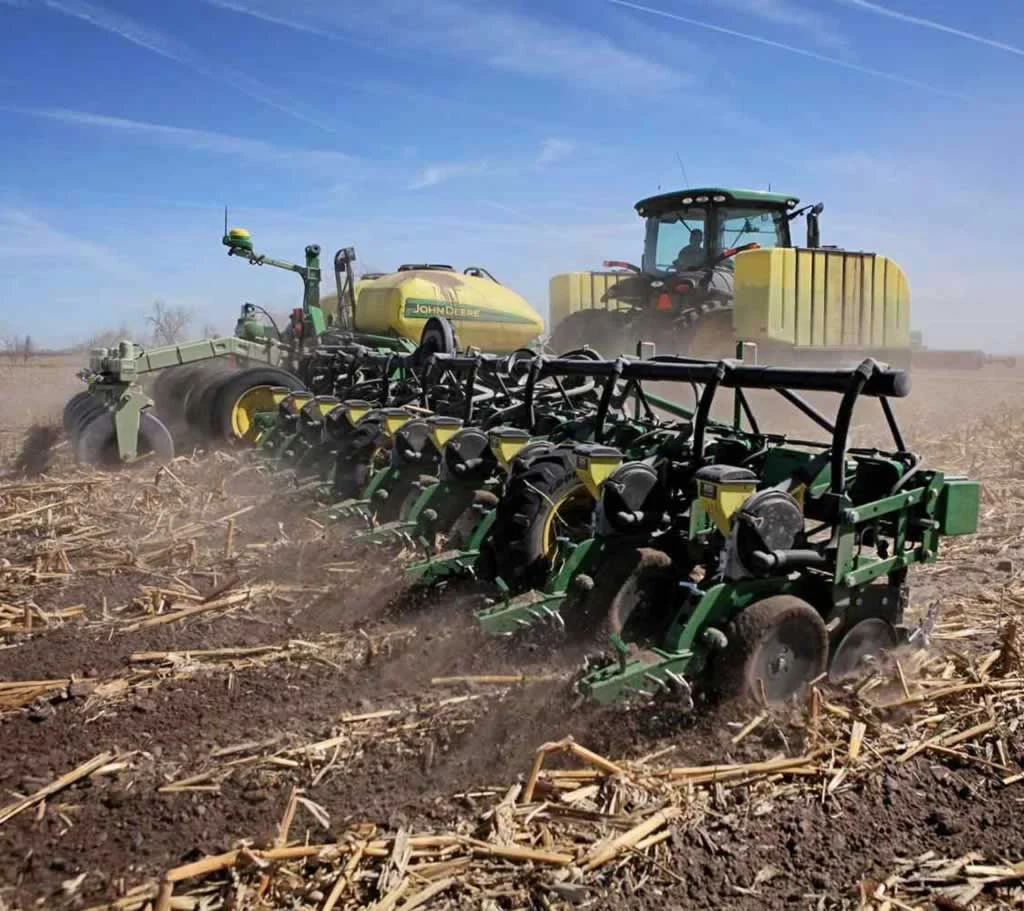
Planting season is one of the most important moments in the farm calendar. A field can be prepared carefully, seed can be selected with attention, and weather can be watched closely, but the final result still depends on placing seed accurately, efficiently, and at the right time. That is why planting equipment carries so much weight in modern agriculture. It influences stand quality, input efficiency, field timing, labor needs, and the confidence farmers have when a narrow planting window finally opens.
For many operations, the smartest path is not always buying new. Used equipment can offer practical value when it is selected with care, inspected properly, and matched to the acreage, crop plan, tractor setup, and maintenance capacity of the farm. A used planter, grain drill, air seeder, or related planting tool can help farms improve capability without taking on unnecessary cost. The key is to treat the purchase as a production decision rather than a quick bargain hunt.
Why Planting Equipment Shapes the Whole Season
Planting is not a single job that ends when the equipment leaves the field. It affects everything that follows. Seed spacing, depth control, row consistency, soil contact, residue handling, and field speed all influence emergence and early plant strength. A planting mistake made in spring can echo through the season like a bootprint in wet clay.
This is why equipment condition matters so much. Worn openers, tired meters, damaged closing wheels, loose linkages, weak hydraulics, and uneven row units can reduce precision. Used equipment can still perform well, but only when buyers understand what to inspect and how the machine fits their crop system. A lower purchase price loses its charm quickly if the equipment creates uneven stands or misses the planting window because repairs were overlooked.
The Practical Value of Buying Used
Used planting equipment can make sense for expanding farms, diversified operations, first-time acreage owners, and producers who want to add capacity without committing to the cost of a new machine. It can also help farms test new cropping plans, add backup capacity, or replace aging equipment while keeping capital available for seed, fertilizer, fuel, repairs, labor, and land improvements.
For farmers comparing cost, acreage demands, field conditions, and seasonal timing, used planting equipment can offer a practical way to strengthen planting capacity while keeping investment decisions grounded in real production needs. The right machine should support accurate seed placement, dependable field performance, and a maintenance plan that fits the operation before the first pass is made.
Inspection Should Come Before Excitement
Used equipment buying rewards patience. Before focusing on price, buyers should study the machine’s condition, service history, compatibility, and parts availability. The frame should be checked for cracks, repairs, wear, and alignment. Row units should be inspected for looseness, wear points, and consistent movement. Seed meters, discs, bearings, chains, sensors, hoses, tires, and electrical systems should all be reviewed with the same seriousness as the purchase price.
Compatibility Is Not a Minor Detail
A planter or seeder may be in good condition and still be a poor fit for the farm. Tractor horsepower, hydraulic capacity, hitch setup, monitor compatibility, transport width, field size, crop type, row spacing, and residue levels all matter. A machine that does not match the operation can slow work, complicate repairs, or require upgrades that erase the original savings.
Farmers should also consider how quickly they can get parts and service support. A used machine is only useful when it can be kept running. If common wear components are difficult to source, downtime may become a recurring visitor with muddy boots.
Better Crop Decisions Need Better Information
Equipment decisions should not be separated from crop planning. Markets, weather patterns, input prices, land conditions, technology trends, and crop demand all influence whether a planting investment makes sense. A farm that follows only habit may miss opportunities, while a farm that follows every trend without analysis may take on unnecessary risk.
This is why reliable agricultural information matters. Guidance on using agriculture news for smarter crop investment decisions highlights the importance of staying informed before committing money, labor, and land to a production plan. Equipment purchases should fit that same mindset. A used planter should serve the farm’s real direction, not simply fill space in the shed.
Technology Is Changing Expectations in the Field
Modern agriculture is moving toward more connected, data-driven, and automated equipment. Even farms buying used machinery are affected by this shift. Monitors, sensors, mapping tools, precision meters, guidance systems, and digital controls have changed what many operators expect from field equipment. The goal is no longer only to cover acres. The goal is to place seed with consistency, measure performance, reduce waste, and make decisions with better information.
The direction of farm technology is visible in reports about phone-controlled tractor technology, where automation and remote operation point toward a future of increasingly intelligent farm machines. Not every operation needs the newest system immediately, but every buyer should understand how technology may affect compatibility, resale value, and long-term equipment planning.
Maintenance Turns Used Equipment Into Reliable Equipment
The value of used planting equipment depends heavily on maintenance. Before planting season, owners should inspect meters, openers, closing systems, seed tubes, bearings, chains, belts, tires, hydraulic lines, electronic connections, and calibration settings. Small issues should be addressed before the machine enters the field, because planting windows rarely pause politely for repairs.
A service log can help track replacement parts, adjustments, field performance, and recurring problems. Over time, those notes create a clearer picture of machine behavior. If one row unit wears faster, if a sensor fails repeatedly, or if seed placement changes under certain soil conditions, the record helps the operator respond before yield potential is affected.
Brand Section: H&R Agri-Power
H&R Agri-Power supports farmers and landowners who need equipment decisions to make sense in practical working conditions. Used planting and seeding equipment requires more than a quick comparison of model names. Buyers often need to think through acreage, crop rotation, tractor setup, maintenance access, field conditions, technology needs, and service support before selecting a machine.
That kind of guidance can help buyers avoid mismatches and make stronger long-term decisions. A planting tool should match the farm’s goals, not simply appear affordable on paper. With knowledgeable support, buyers can evaluate condition, fit, and future service needs more clearly, turning a used equipment purchase into a thoughtful investment rather than a seasonal gamble.
Conclusion
Used planting equipment can be a smart choice when it is selected carefully, inspected thoroughly, and matched to the farm’s actual production plan. It can help improve capacity, manage costs, and support timely fieldwork without requiring the highest possible upfront investment. The strongest results come when buyers think beyond price and consider accuracy, compatibility, maintenance, parts support, and long-term crop goals.
Planting is too important to leave to guesswork. The machine, the seed, the soil, the weather, and the business plan all meet in the field. When those pieces are aligned, used equipment can help farms move into planting season with confidence, control, and a better chance of turning careful planning into productive acres.