
Hot, cold, doesn’t matter what the weather is outside, you want to feel comfortable inside. Winter is here, but for some, it’s never a true winter season when you consider how hot it can get. Even then, summer is on its way which means sweltering heat and the need to keep cool to beat it. One of the most surprising things that people can learn about insulation is that it isn’t in your home to just keep in the warmth and make sure your home isn’t freezing.

It’s actually a necessary way to help keep the home cool too. This is a surefire way to beat the heat, but you might be wondering what kind of insulation you’ll need. Here are some things to think about for insulation installation.
Consider the Climate
Not every area is just hot, there are varying degrees of heat and types of heat. In Nevada, it’s a dry heat because of the desert, and in Florida, it’s a humid heat because of moisture in the air. This can mean the difference between 10 degrees, which is quite a lot, especially considering how the heat feels. You want to check your local weather forecasting station to see the temperature and climate trends, and determine just how hot or cold it can get where you live. Sometimes you might not get as intense of a climate, which means less insulation is needed, or the opposite. It’s a good idea to consult with an insulation company to determine the best course of action depending on what they’d reasonably think.
Types of Insulation
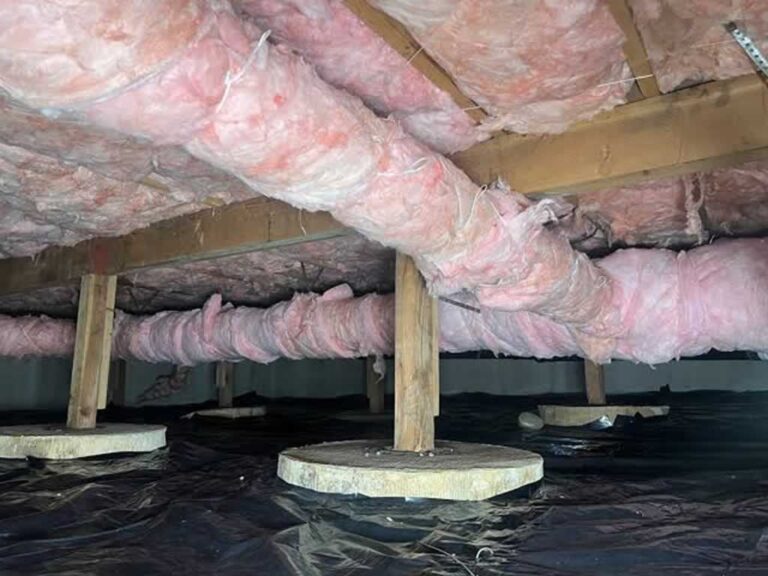
If you’ve ever crawled into your attic or have seen behind your walls, you’ve likely noticed big fluffy pink stuff. You know this is insulation, but it’s only one kind of insulation. The specialists behind All Seasons Insulation say that foam insulation could be a good idea for your home as it can withstand various temperature ranges. So, if you do live in the scorching hot Nevada sun, then it might be of use. It also depends on how much you need because the insulation installation process needs to be thorough. There’s also a value per inch rating that they can discuss with you and help clue you into the whole process.
Where Your Home is Most Vulnerable
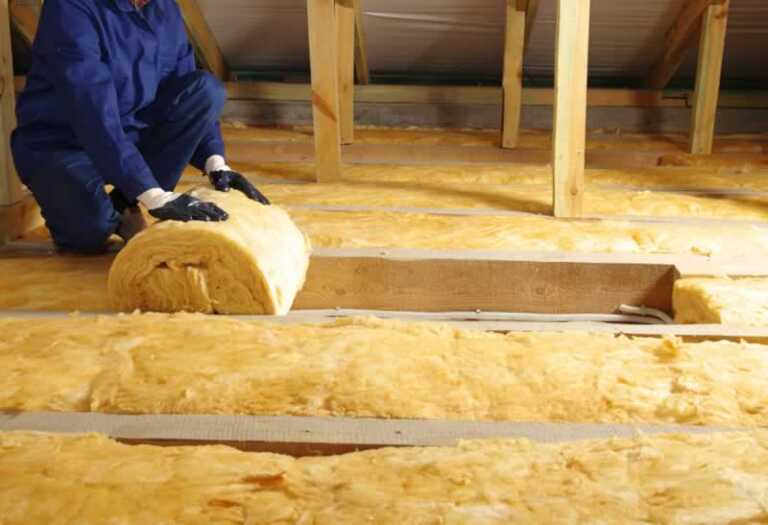
In the simplest sense, there are plenty of places in your home that are going to need more insulation because they are most vulnerable. You can probably guess which places already, but if not, they include the attic, the basement, crawlspaces, and in the walls. In particular, the attic floor is one of the most important because heat rises and it gets lost out of the roof. Basements are bad too because warm or cold ground affects the foundation of a home and that translates to heating or cooling of the entire home. Walls are also important and need to be insulated to keep in heat or cool temperatures too.

Can You Do it Yourself?
Yes, you can install insulation yourself but it comes with plenty of warning beforehand. Installing insulation yourself is not a job that is uncommon for many people who want to ensure their home is climate-controlled, but it can be hazardous to your health too. Inhaling the dust or fiberglass particles can seriously damage your lungs long term, and irritate your nasal passageways or eyes. It’s recommended that you wear a respirator and protective goggles while doing it. Similarly, dusty areas can be hard to see so a headlamp is a good call when installing it in your attic.
What Other Things You Should Consider
The cost of insulation is something you always need to consider, but the price is going to pale in comparison to the peace of mind you will get when you know your home is nice and protected from the scorching heat. This will translate to much more friendly energy bills. Similarly, you should consider your options with getting an installer or doing it yourself. You can learn the skills needed but often it’s best to just leave it to the professionals as they have the gear and the knowledge to do the job right the first time. Insulating your home is often thought of as a way to keep it warm, but in fact, it actually helps a home stay cool too. If you live in a hot area, this information can help you figure out how to insulate properly.