
The first step to starting a home renovation is deciding what changes take priority. If being more sustainable is high on your list, you’re in good company. 77% of people say they’d like to live more sustainably. That’s not surprising given that sustainable lifestyles and architecture have gained popularity in more cities and states in recent years. New Jersey, for example, gets 6% of its power from solar energy. That’s enough clean energy to run over 500,000 homes.

So how can you get on board during your green renovation? Here are five sustainable ideas you should consider to help you go green.
1. Install Reclaimed Wood
Reclaimed wood is wood that has been used before for other projects. Using it decreases the demand for lumber, which means fewer trees are cut down. Installing reclaimed wood is a great way to lower your environmental impact. There are more benefits to reclaimed wood than just sustainability. It tends to be sturdier than new wood because it comes from older trees. Additionally, reclaimed wood adds to the sustainable aesthetic of your home. Especially when combined with other eco-friendly features like solar energy and efficient appliances.
2. Replace Your Power Source
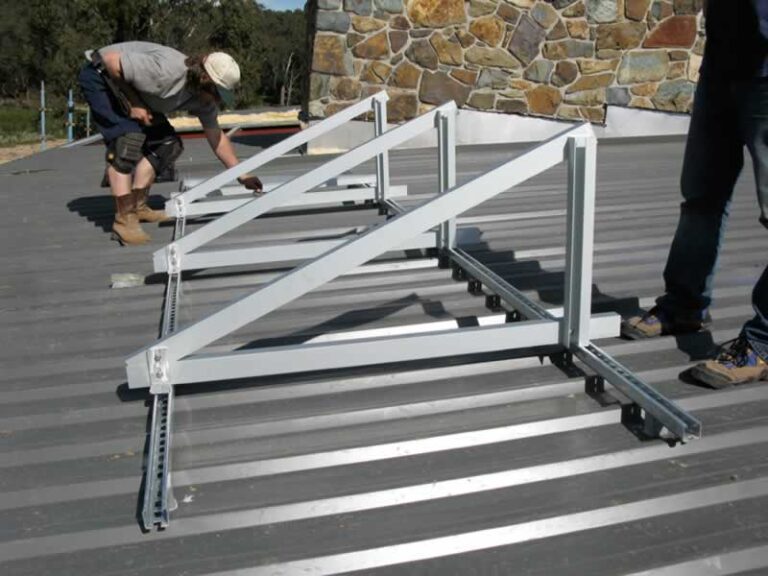
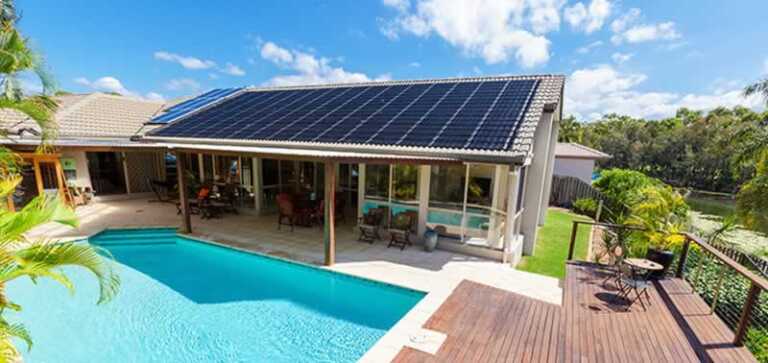
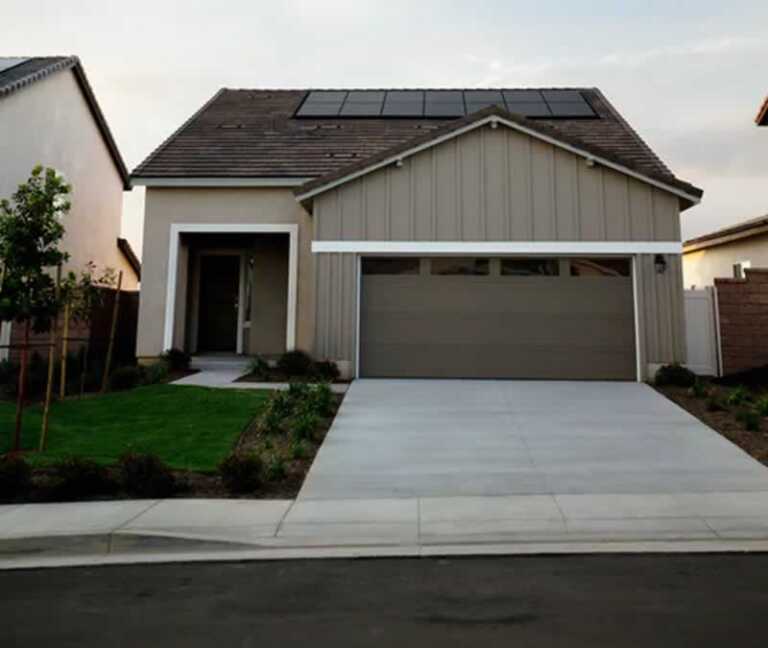
One of the most unsustainable features of modern homes is their electricity use. Traditional power accounts for more than 30% of CO2 emissions in the U.S. alone. Luckily, people are moving in a more eco-friendly direction. 89% of the population of New Jersey lives in municipalities that are committed to a sustainability plan. That explains why the state produces over 3,000 megawatts of solar energy every year. Since you’re already in the process of making renovations, now is the perfect time to replace your power supply and join over 11,000 satisfied solar customers. Going solar now is the biggest sustainable change you can make to your home, so don’t hesitate to make the call.
3. Create An Indoor Garden
Indoor gardens are a great sustainable feature to add to your home. They can purify your air, help lower your stress, and allow you to grow some of your food. All you need to create an indoor garden is a south-facing window and a few shallow containers with drainage holes. If you don’t have a south-facing window, invest in an energy-efficient grow light to keep your plants healthy. When combined with solar energy, it’ll still be a sustainable setup. Remember to let your containers sit outside or in the bathtub when you water them so they don’t drain on your floor.

4. Incorporate Passive Design
Passive design uses the natural environment to make your home greener. Essentially, the process uses the sun’s rays to help heat your home, so you can cut down on power use. Think of it as a natural thermostat. It’s a great technique to combine with solar energy to drastically reduce your environmental impact. To incorporate passive design in a colder climate, install more windows on the south side of your house. Allowing more light to get in will naturally heat those rooms. To use the design in a warmer climate, place windows on the north side to keep more sunlight out and keep your home cooler. If you live in an area with a more moderate climate, like New Jersey, choose the option that will work the best with your temperature preferences. If you’re always cold, put the windows on the south side, and the opposite if you’re always warm.
5. Furnish Responsibly
Furniture is a great way to make a statement in your home. So, consider furnishing in a way that makes a sustainability statement. When buying sustainable furniture, choose ethically sourced materials. Bamboo is a great choice because it’s easy to re-grow and extremely versatile. If that’s not your style, you can also look for furniture that has been marked as certifiably sustainable. This means that the piece was created from ethically sourced wood, which has a lower impact on the environment. Sustainably made furniture is manufactured by many companies and comes in all styles. You can find the perfect piece to complement your eco-friendly design. If you’re going green, these five renovation ideas can help you create the perfect sustainable home.