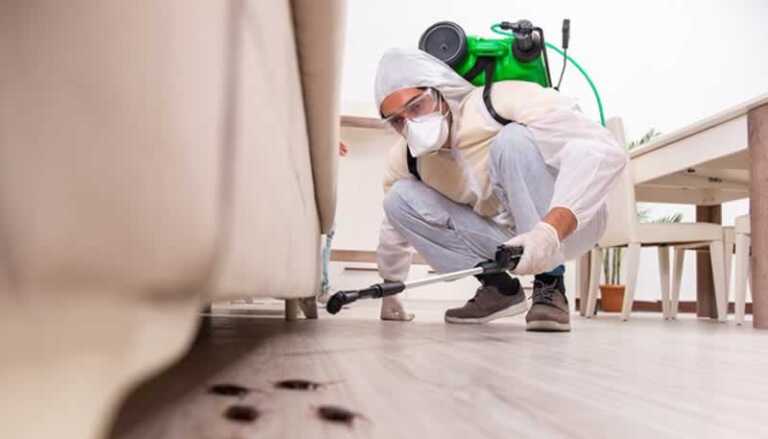
Pests cause thousands of dollars worth of damage to houses and gardens every year. That’s why there is such a large industry devoted to eliminating and protecting you and your homes from these pests.

However, as with all things in life, there are some things you should do, and some that you shouldn’t when dealing with pests.
DO Get To Know Your Local Professional
You can and should find out more info about your local professional. The better you know them the more likely it is you’ll get a quick response when you need it. But, it’s also important to be in touch with your local pest control expert as they’ll forewarn you about issues that are occurring in your area.
DO Get A Regular Inspection
Even if you don’t think you have a pest issue you should get the local pest control expert to inspect your home. They are trained and may spot something that you’ve missed, potentially preventing an infestation before it causes major issues. In addition, the professionals can help to ensure your home is well protected against pest entry. Prevention is always better than cure!
DO Read Labels
Whether you’re handling products from your pest control expert or something you’ve picked up in a store, read the label. These products can be dangerous, it’s essential that you take all reasonable precautions and use them properly. Equally, you should always dispose of old canisters and partially used containers properly.

DO Prevent First
Just as your local professional can help you to spot entry issues and fix them, you can also help to prevent pests from being attracted to your home. The key is to ensure all food is stored in sealed containers. You should also check that you have no water leaks, moisture will attract pests, if your home is dry it will be less appealing. It’s also a good idea to wash dishes straight away and wipe all surfaces and floors down with a disinfectant spray. If there is no food or water present there is no reason for the pests to visit.
DON’T Overdo It
The instructions are there for a reason, putting extra chemicals down won’t kill more pests but it can cause an array of other issues. Use only what the label says you should.
DON’T Move Containers
Pesticides should always be stored in the container they arrived in. This will ensure you, and others know what they are. It is never a good idea to move the pesticide to another container as it is impossible to know who will inadvertently use it. This can happen no matter what precautions you think you’ve taken.
DON’T Use Outdoor Chemicals Inside
Outdoor chemicals are generally much more powerful than indoor ones. That’s why you shouldn’t use them inside. The potency of the chemical could theoretically harm you and your family as well. That’s not an appealing prospect. The best path is to speak to a professional and follow their advice, this will give you a pest-free home and peace of mind.