
According to data from the Census Bureau, vinyl siding and stucco are the most common exterior wall materials used on new homes in the US. While they are both great options for homes, there are differences between stucco and siding that could make one a better option in certain circumstances. Understanding their differences is key to knowing which one is best for your house.

Keep reading to learn the differences between stucco vs siding.
What is Stucco?
Stucco is a mixture of cement, sand, and lime that creates a plaster. Once applied, it dries to create home siding. Applying the plaster with a trowel or brush creates the distinctive finish that stucco is known for. Stucco comes in a wide range of colors. Color is either added directly to the plaster mix or stucco can be painted after it’s applied to a house.
What is Vinyl?
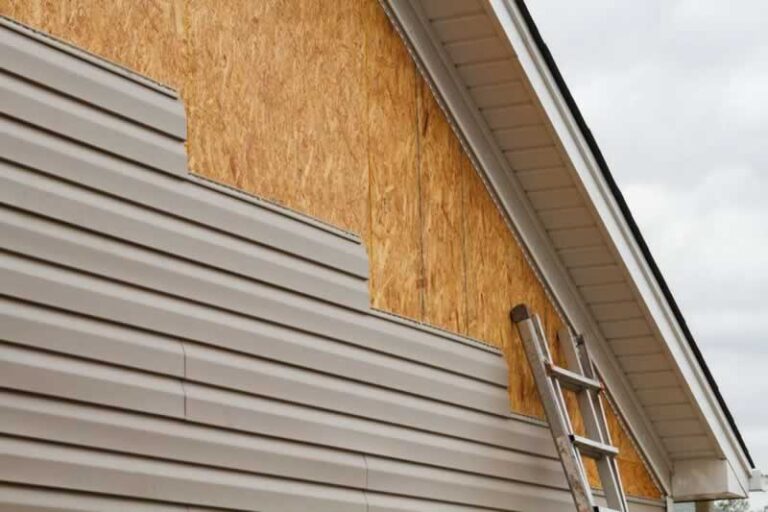
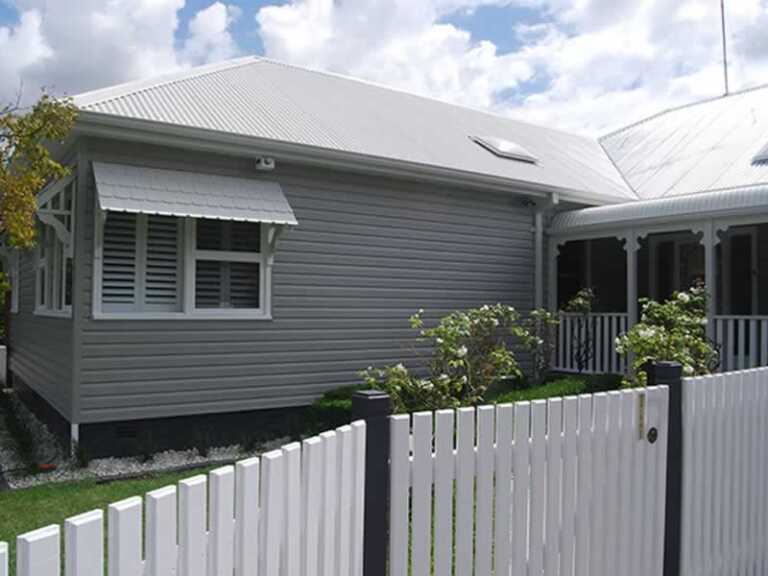
Vinyl siding is a plastic exterior wrap for houses. It is made of polyvinyl chloride resin (PVC) and it comes in a variety of colors and styles. Vinyl siding can mimic the look of other materials.
Cost
Vinyl is much more cost-effective and affordable than stucco. Insulated vinyl costs between $7.50 and $12.50 per square foot. On average, stucco can cost as much as $14.50 per square foot.
Installation and Repair
Vinyl siding is easy to install. You could even take it on as a do-it-yourself project. Vinyl is also easy to repair, as a single panel can easily be removed and replaced. In contrast, stucco installation is a labor-intensive job. While damage to stucco is rare, repairs are difficult and require an expert. You need a professional stucco company for installation and repair.

Durability
Stucco and vinyl are both very durable materials, but overall stucco holds up better over time. Stucco can withstand higher wind speeds and offers better impact resistance than vinyl. Be aware that large pieces of hail can crack or chip stucco. With proper installation and maintenance, vinyl lasts between 20 and 40 years. Be sure to look up siding tips to get the most out of your vinyl siding. Stucco can last from 60 to 100 years under the same conditions. Typically, stucco does better in dryer climates and vinyl is better suited in wet climates.
Energy-Efficiency
Stucco and vinyl are both energy-efficient materials, but foam-back vinyl is much better at insulating homes. If you’re looking to keep your home at a comfortable temperature at all times and want to save on your monthly energy bills, foam-back vinyl is the way to go.
Stucco vs Siding: Differences Explained
Now that you know stucco vs siding differences, are you ready to choose one for your home? Depending on your specific needs and where you live, one of them is sure to be a great option. If you’re interested in reading more articles like this, check out the rest of our blog!