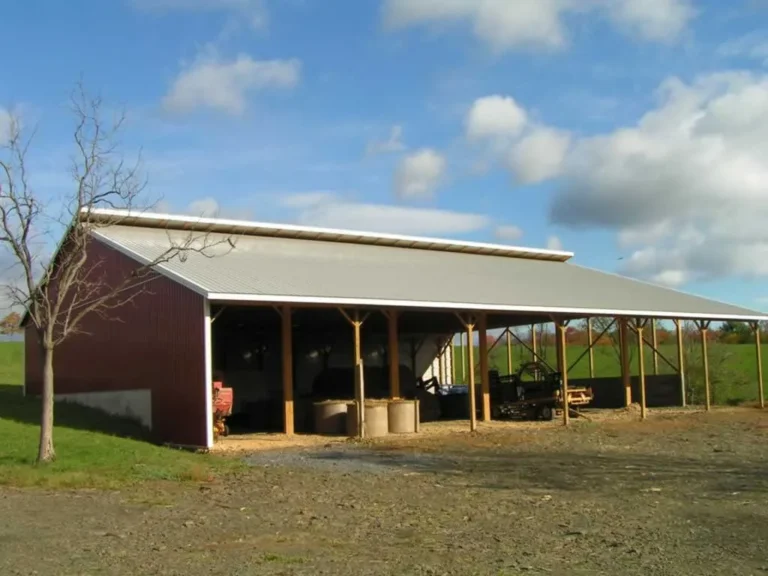

Modern farming demands efficiency, flexibility, and reliable infrastructure. As operations expand and equipment becomes more sophisticated, agricultural buildings must keep pace. Two of the most popular farm structures today are storage barns (typically steel-framed) and traditional pole barns (wood-framed). While both provide essential space for equipment, feed, livestock, and seasonal storage, they differ significantly in performance, durability, and long-term value. Many farmers turn to engineered steel solutions from companies like US Patriot Steel because they deliver greater resilience and predictable lifetime costs—key priorities for modern agricultural operations.

If you’re deciding which option is best for your farm, here’s a detailed breakdown of how storage barns and pole barns compare.
What Is a Storage Barn?
A storage barn—often referred to as a steel barn—is a fully engineered, prefabricated steel structure designed for long-term agricultural use. These barns are known for their:
- Clear-span interiors
- High wind and snow load ratings
- Resistance to pests, rot, and moisture
- Low maintenance requirements
Storage barns are suitable for hay storage, equipment protection, feed, livestock areas, workshops, and even multipurpose agricultural facilities.
What Is a Pole Barn?
A pole barn is a wood-framed structure built using large wooden posts buried in the ground or set on concrete piers. The walls and roof are typically covered with metal panels. Pole barns are a traditional solution in agriculture, valued for their simple construction and lower initial cost.
However, because the frame is wood-based, these structures are more sensitive to environmental factors and require more ongoing maintenance.
Durability: Steel Outperforms Wood Every Time
The most significant difference between the two structures is durability.
Storage Barn (Steel):
- Does not rot, warp, or attract termites
- Withstands moisture exposure
- Engineered for decades of use
- Maintains structural integrity in harsh climates
Pole Barn (Wood):
- Posts can rot over time, especially when placed in the ground
- Vulnerable to pests and mold
- Susceptible to warping in extreme conditions
- Shorter structural lifespan
For farms located in wet, humid, coastal, or high-snow regions, steel barns typically provide a more reliable long-term solution.

Strength & Weather Resistance
Farms depend on buildings that can face unpredictable and severe conditions.
Steel Storage Barn
Engineered to meet or exceed local code requirements:
- High snow load capacity
- Superior wind resistance
- Fire resistance
- Better protection for high-value equipment
Pole Barn
- Structural strength depends on the quality of wood and construction
- Posts weaken with age and moisture
- More vulnerable to heavy winds and storms
For regions exposed to tornadoes, hurricanes, or heavy snowfall, steel barns offer a clear advantage.
Maintenance Requirements
Steel Storage Barn
- Minimal maintenance
- No repainting or sealing required
- Corrosion-resistant panels and frames
- Easy cleaning and upkeep
Pole Barn
- Wood posts require sealing and regular inspection
- Potential for rot where posts meet the soil
- Risk of pest damage (termites, beetles)
- Possible metal panel replacement due to movement of wooden frame
Farmers with busy schedules often prefer the low-maintenance reliability of steel.
Cost: Upfront vs. Lifetime Value
Pole barns generally cost less upfront. This is their strongest selling point.
However, long-term costs tell a different story.
Pole Barn Costs Over Time:
- Wood replacements
- Post rot remediation
- Pest control treatments
- Roof and panel realignment
- Higher insurance rates
Storage Barn Costs Over Time:
- Predictable, minimal maintenance
- No structural replacements
- Longer lifespan
- Better resale value
For operations planning to stay on the property long term, steel barns typically deliver a stronger return on investment.
Interior Space & Usability
Steel Storage Barn
Clear-span engineering allows uninterrupted interior space—ideal for:
- Large machinery
- Bulk storage
- Livestock movement
- Workshops
- Multi-functional uses
Pole Barn
Interior posts may limit layout flexibility and make equipment movement more difficult.
Which Is Better for Modern Farms?
Pole barns may work for:
- Short-term or temporary structures
- Farms with tight initial budgets
- Storage of non-sensitive items
Steel storage barns are better suited for:
- Long-term agricultural planning
- Harsh-weather regions
- Equipment protection
- Hay storage with moisture concerns
- Mixed-use farm buildings
- Farms prioritizing durability and ROI
Modern farming demands efficiency, safety, and reliability—all areas where steel storage barns consistently outperform traditional pole barns.
Conclusion
While both structures have their place, steel storage barns are becoming the preferred choice for modern farms due to their superior durability, low lifetime cost, and adaptability. As agricultural operations expand and equipment becomes more valuable, investing in a structure that will last for decades—without the risk of rot, pests, or structural fatigue—makes practical and financial sense.
If you’d like the next post from your topic list or want variations for guest posting on different sites, just tell me the next topic.