

You might enjoy taking on woodworking craft but perhaps you don’t have a good workspace and woodworking tools to set the ball rolling. In this case, starting a small woodworking shop is the best place to get started as a beginner. It will help you keep your space organized plus you will have a nice space to take on wood projects. The beauty is that it isn’t that hard and we are here to help you set up that sumptuous bespoke workspace.

We have compiled this quick guide covering some core basics of setting up your woodworking shop.
Map out your space
Now that you have decided to start a woodworking shop, it would be best to determine how much space you have and how you will make it work for you. Remember that stationary power tools and workbenches can take up quite some floor space. You also need to determine a suitable storage space for your handheld tools and small items such as screws. It would also be wise to consider where you will store the wood for your project so that it dries properly and won’t rot.
Invest in top quality woodwork tools
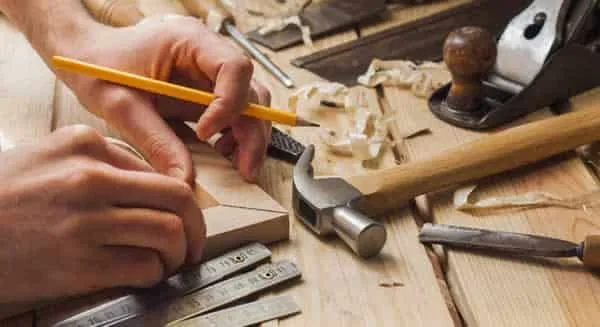
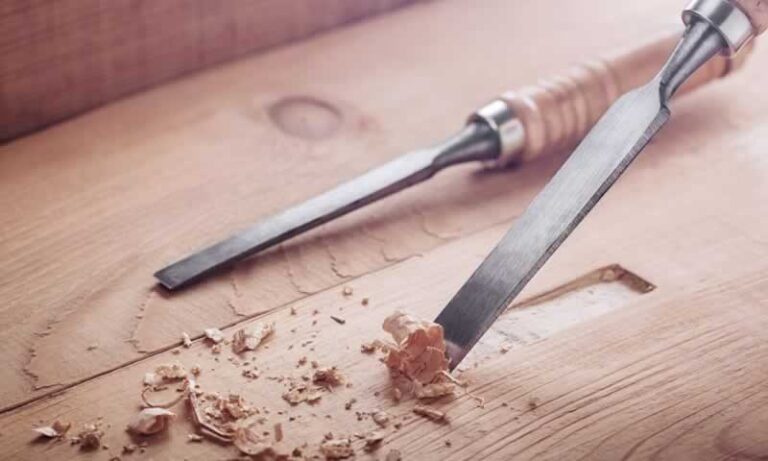
It is impossible to run a woodworking shop without proper tools. Even though there are many power tools in the market today, it wouldn’t hurt to own a few handheld tools just in case. Especially hand tools for cutting wood, like the ones featured in The Woodwork Zone. Apart from cutting tools, you will also need many measuring equipment such as rulers, T-squares, and measuring tapes. We couldn’t forget to mention box levels, which help keep your work level when installing shelves or using hand planes to level any wood surface.
Expand your knowledge base
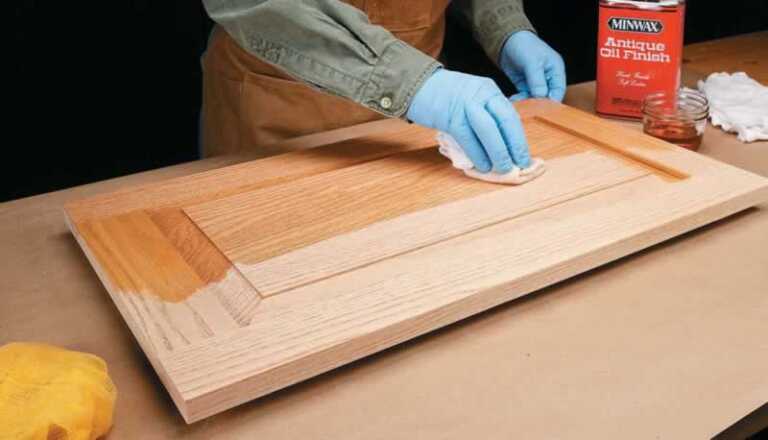
Woodworking can be pretty daunting, especially if you are a beginner. You wouldn’t want to waste precious wood or hurt yourself in the middle of a project. Therefore, it would be wise to enroll yourself in the right beginner woodworking courses to help you get started. These courses will help you learn more about the different types of wood, how to use basic tools, different ways you can make a joint, and how to add the finishing touches to furniture.

Ensure you have the right power outlets
Unless you plan to use traditional woodworking tools such as hand saws and hammers, you will need plenty of power to operate your power tools. Many of the handheld tools in the market will require a standard 110V power outlet. Therefore, it would be wise to install 110V outlets and at least one 220V outlet in your woodwork shop for larger power tools. Ensure you install your power outlets at the maximum recommended height so that you won’t have to get down on all fours to plug in your power tools.
Organize your space
You need an organized workshop. After all, you want to spend more time working on your projects instead of searching for a misplaced tool. Your shop will also be a safer place to spend your time as you are less likely to get a nasty cut from something like an angle grinder that you left lying around. Well, you could invest in a tool chest to store any equipment, not in use. Another excellent alternative would be to install a pegboard on a blank wall to store your wrenches, clamps, and handheld tools. You can also use plastic storage containers, magnetic holders, and more. The idea is to create storage vertically to maximize space.
Wrapping up
That’s it! You can now get started with Wood DIY projects. Who knows, you might even go as far as monetizing your craft. Again, it’s best to set up a good foundation. Invest in a good beginner workshop and enroll in the right woodworking courses to help fine-tune your skills. Don’t forget to put safety first!



the article is so helpful to setting up for the shop.
Working on something similar in my shop. I love all of the raw wood custom look you have going!