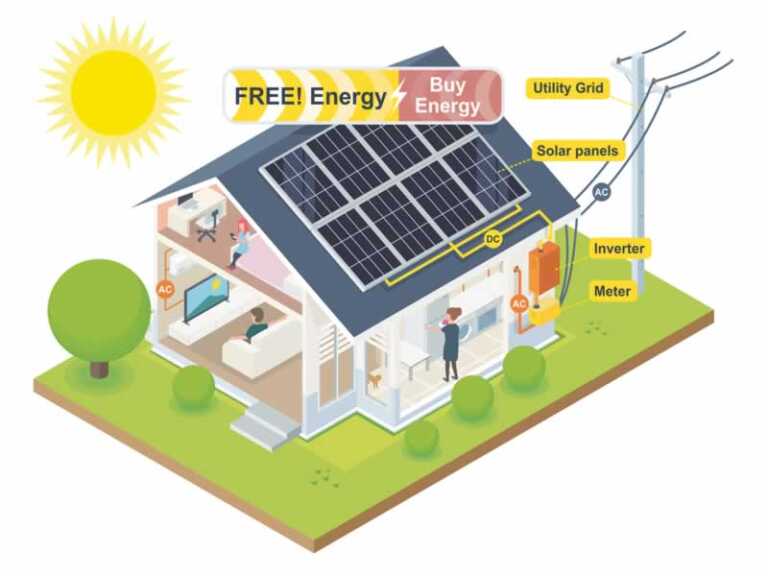
Installing a home solar system is a practical way of keeping your electricity bills low for an extended period. With a solar system, you can cushion your home against rising utility rates while boosting your home’s value and conserving the environment. Although the initial installation costs may seem high, the long-term benefits make the investment worthwhile. However, there are several ways to reduce initial solar installation costs. Over the years, homeowners’ uptake of solar energy has gained traction. This has made solar systems affordable with the availability of more financing options and incentives.

If you’re keen on reducing the cost of your home solar system, here are practical ways to do so:
1. Compare Solar System Installation Bids
One way to reduce the cost of a home solar system is to compare solar system installation bids to identify affordable installers. The cost of a solar system largely depends on who does the installation work. If you decide to install a solar system in your home, shop for available options and costs. Most small solar system installers charge lower prices than big contractors. The price of your solar system will also depend on how much different components cost. To ensure you don’t incur high charges, get bids from various installers that provide high-quality solar panels and equipment at reasonable prices. You could also use buyer guides to check out different equipment. Their inverter price guide ranks different brands against parameters like price and performance, allowing buyers to make better purchase decisions.
For those with a constrained budget, consider leaving out the battery storage at this stage, as it would increase your upfront costs significantly. Compare bids from different solar system installers; pay attention to pricing, warranty, and the equipment they provide and pick the most reasonable offer.
2. Assess Your Home For Energy Efficiency
In most cases, solar installers examine electricity use in households to determine the size of the solar system a home needs. This means the higher your electricity usage, the bigger the system and the higher the installation cost. You can reduce the cost of your home solar system by assessing your home’s energy efficiency. Get your historical electricity usage data and add it up. You can work with data from one year of electricity bills. Because you can keep costs low by reducing the size of the solar system, start examining areas with energy inefficiencies and take action. Pay attention to the energy usage of bulbs, electronics, air conditioners, and appliances. If you still use halogen or incandescent light bulbs, consider replacing them with LED bulbs.

Ensure you unplug idle electronics and turn off computers when not in use, as these continue to use power even when on standby mode. Heating systems and air conditioners are heavy energy consumers, so keep energy consumption low by using window treatments to keep the home cooler during summer and set temperatures high but comfortable. During winter, keep your thermostat as low as you can and keep yourself warm while in the house. Moreover, check your appliances for energy efficiency. If you have old and inefficient appliances, consider replacing them with new, Energy Star-rated ones. Replace ordinary water heaters with low-flow fixtures or use cold water whenever possible.
3. Maximize Solar Tax Credits
You can reduce the cost of your home solar system by maximizing tax credits offered by federal and state governments. In 2020, the federal government allowed homeowners to deduct 26% of their solar system costs from their taxes. This dropped to 22% in 2021 and is set to hit a 10% drop in 2022. Although you may have missed out on higher deductions in previous years, you can still take advantage of the 10% credit and significantly reduce your solar system costs. Consider reducing your costs further by checking out what solar tax credits exist in your state. Different states offer varying credit rates that can be recovered from state income tax. Some states also exempt homeowners from taxes on solar equipment or installation, driving the cost of solar systems further down.
Final Thoughts
Although installing a home solar system is a huge commitment, it could be the best decision you make toward making your energy costs sustainable. Reviewing your current electricity costs is the best place to start when working toward determining the size of the solar system you need in your home and reducing installation costs. You’ll also need to get quotes from different installers and compare their offers. Opt for small installers as their charges are more reasonable and flexible than large installers.