
Starting your journey into chainsaw carving begins with equipping yourself with the right tools. The most critical tool, of course, is the chainsaw itself. For beginners, a lightweight chainsaw with a guide bar length of 12 to 16 inches is ideal. This size is manageable and versatile enough for various carving projects. Opt for a model that offers good balance and maneuverability, as these features will significantly enhance your control and precision.
In addition to the chainsaw, several other tools and equipment are necessary for a successful carving experience. Protective gear is paramount; this includes safety goggles, hearing protection, sturdy gloves, and steel-toed boots. Chainsaw carving can be hazardous, and prioritizing your safety cannot be overstated. A safety helmet with a face shield is also highly recommended to protect against flying debris.
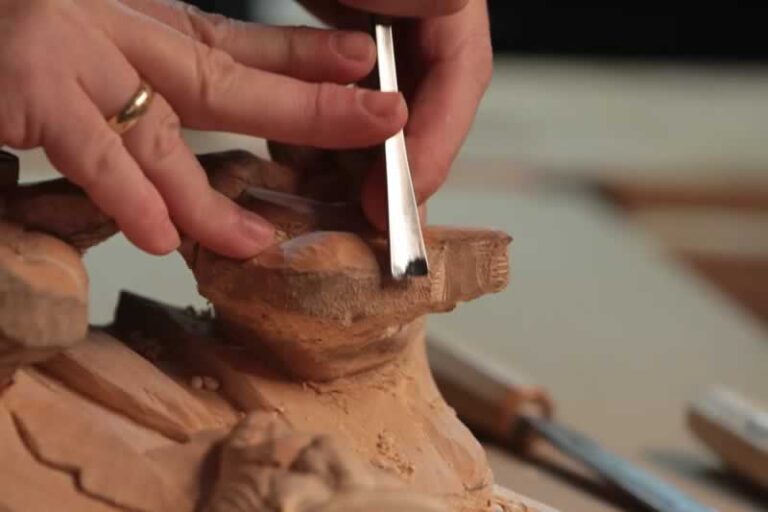
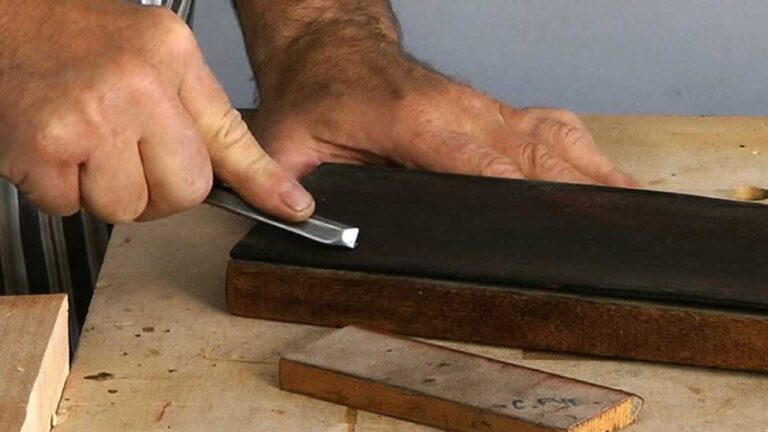
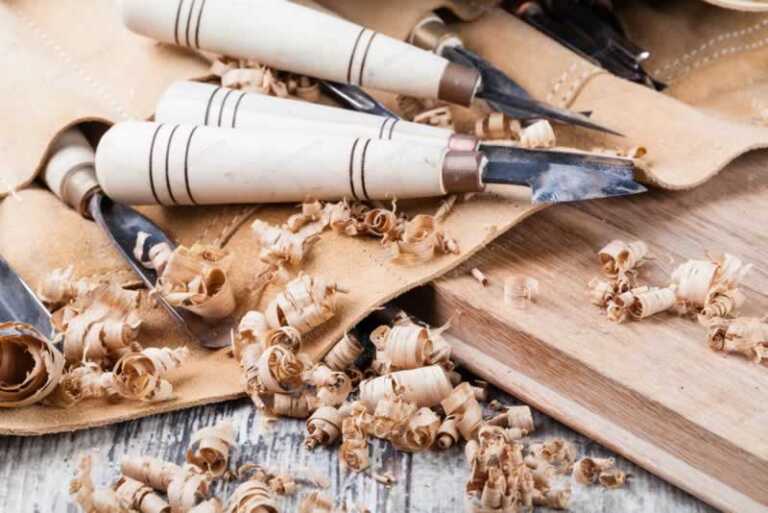
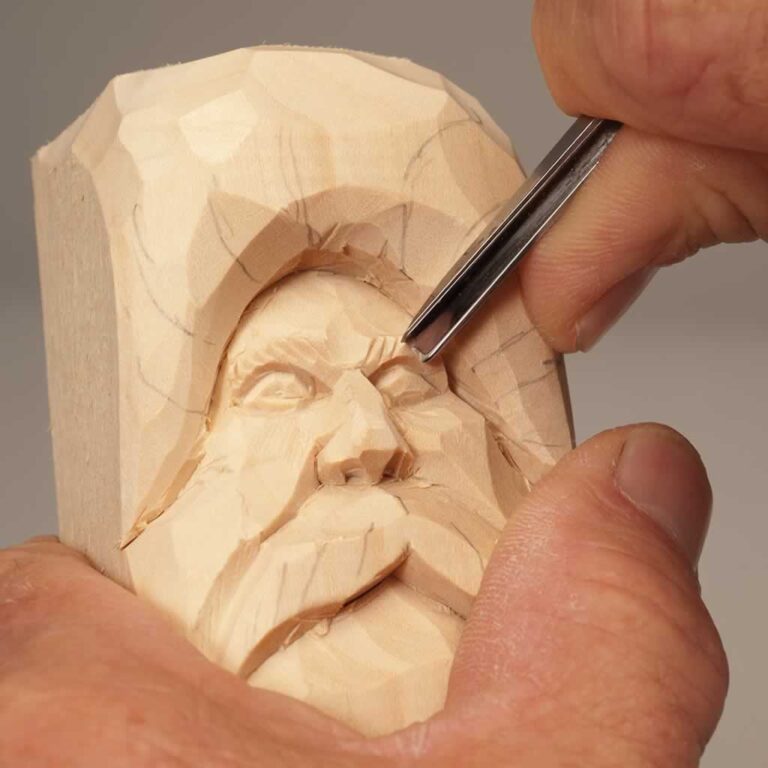
Chisels, gouges, and a mallet are essential for adding fine details to your carvings. These hand tools allow for intricate work that a chainsaw cannot achieve. Additionally, you will need a sturdy workbench or a carving stand to secure your wood piece. This setup provides stability and reduces the risk of accidents. Finally, having a sharpening kit on hand is crucial for maintaining your tools’ sharpness and efficiency. A dull chainsaw or chisel can hinder your progress and compromise the quality of your work.
Safety Precautions and Best Practices
Safety should be your top priority when engaging in chainsaw carving. Before you begin, familiarize yourself with the operation manual of your chainsaw. Understanding its functions, safety features, and maintenance requirements is essential. Always conduct a pre-use inspection to ensure the chainsaw is in good working condition. Check the chain tension, oil levels, and overall cleanliness of the tool.
When carving, always wear your protective gear. Safety goggles will shield your eyes from sawdust and wood chips, while hearing protection will guard against the loud noise produced by the chainsaw. Sturdy gloves provide a better grip and protect your hands from cuts and abrasions. Steel-toed boots are essential to safeguard your feet in case the chainsaw slips or you drop a heavy piece of wood.
It’s crucial to adopt proper chainsaw handling techniques. Always use both hands to operate the chainsaw, maintaining a firm grip. Position your body to the side of the cutting path to avoid potential kickback injuries. Keep your work area clean and free of obstructions, as tripping hazards can lead to accidents. Take regular breaks to prevent fatigue, which can impair your focus and reaction time. Lastly, never carve when you are tired, under the influence of alcohol, or taking medication that affects your alertness.

Understanding Different Types of Wood
Selecting the right type of wood is a fundamental aspect of chainsaw carving. Different woods have varying characteristics that can significantly impact your carving experience and the final result. Softwoods, such as pine, cedar, and spruce, are popular choices for beginners. These woods are easier to carve due to their softer texture and are generally more forgiving, allowing for smoother cuts and easier shaping.
Hardwoods, such as oak, maple, and walnut, present more of a challenge but can yield stunning results. These woods have a denser structure, which offers greater durability and a finer finish. However, carving hardwoods requires more strength, patience, and skill. It’s advisable for beginners to start with softwoods and gradually progress to hardwoods as their confidence and technique improve.
Moisture content is another critical factor to consider. Green wood, which has a high moisture content, is softer and easier to carve but can lead to shrinkage and cracking as it dries. Seasoned wood, which has been dried over time, is more stable and less prone to warping but can be harder to carve. Each type of wood brings its own set of challenges and advantages, so experimenting with different varieties will enhance your skills and broaden your artistic possibilities.
Basic Chainsaw Techniques for Carving
Mastering basic chainsaw techniques is essential for creating smooth, precise carvings. The most fundamental technique is the straight cut, used for making initial rough cuts and shaping the outline of your design. Hold the chainsaw firmly with both hands, position the guide bar perpendicular to the wood, and apply steady pressure as you cut. Maintain a consistent speed and avoid forcing the chainsaw, allowing the tool to do the work.
The plunge cut is another important technique, particularly useful for creating deep recesses or hollow areas within your carving. To execute a plunge cut, start by positioning the tip of the guide bar against the wood at a slight angle. Gradually increase the angle while applying gentle pressure until the tip penetrates the wood. Once the chainsaw is fully engaged, pivot it to create the desired cut. This technique requires practice and control to avoid kickback and ensure safety.
Detailing cuts are crucial for adding intricate features and refining your carving. For these cuts, use the tip or the lower portion of the guide bar, applying light pressure and making gentle, controlled movements. Take your time and focus on accuracy, as detailing requires precision. It’s often helpful to switch to a smaller chainsaw or a specialized carving bar for more delicate work. By mastering these basic techniques, you’ll establish a strong foundation for more advanced carving methods.
Step-by-Step Guide to Your First Chainsaw Carving Project
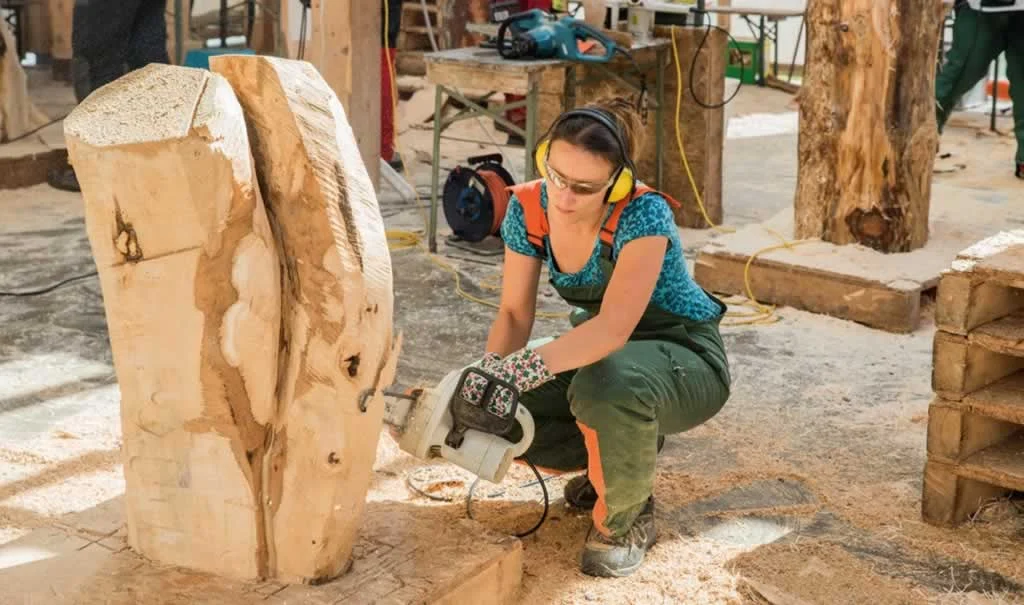
Embarking on your first chainsaw carving project can be both exciting and daunting. To ensure a successful outcome, follow this step-by-step guide. Begin by selecting a simple design, such as a basic animal shape or geometric pattern. Sketch your design on paper and then transfer it onto the wood using a pencil or chalk. This outline will serve as a guide during the carving process.
Secure your wood piece on a stable workbench or carving stand. Ensure it’s firmly in place to prevent movement while you work. Start with the rough cuts to outline the basic shape of your design. Use the straight cut technique to remove large sections of wood, gradually revealing the form. Take your time and work methodically, focusing on achieving the general shape before moving on to finer details.
Once the rough shape is established, switch to detailing cuts to refine your carving. Use chisels and gouges for intricate features that require precision. Pay attention to the grain of the wood and carve along its natural lines to enhance the overall appearance. Regularly step back and assess your progress, making adjustments as needed. Sand the final piece to smooth out any rough edges and enhance the finish. Applying a wood sealant or varnish will protect your carving and give it a polished look.
Common Mistakes to Avoid as a Beginner
As a beginner, it’s natural to make mistakes, but being aware of common pitfalls can help you avoid them. One common mistake is rushing the process. Chainsaw carving requires patience and careful planning. Take your time to study your design, understand the wood’s characteristics, and execute each cut with precision. Rushing can lead to errors, uneven cuts, and potential safety hazards.
Another frequent mistake is neglecting tool maintenance. A dull chainsaw or chisel can hinder your progress and compromise the quality of your work. Regularly sharpen your tools and keep them in good condition. Proper maintenance ensures efficient cutting and reduces the risk of accidents caused by faulty equipment. Additionally, always check the chain tension and oil levels before starting your carving session.
Failing to prioritize safety is a critical mistake. Always wear your protective gear, work in a clean and organized space, and follow proper chainsaw handling techniques. Accidents can happen, but taking proactive measures significantly reduces the risk. Another common error is choosing overly complex designs for your initial projects. Start with simple shapes and gradually progress to more intricate carvings as your skills improve. This approach allows you to build confidence and master basic techniques before tackling advanced projects.
Inspiration: Famous Chainsaw Carvings and Artists
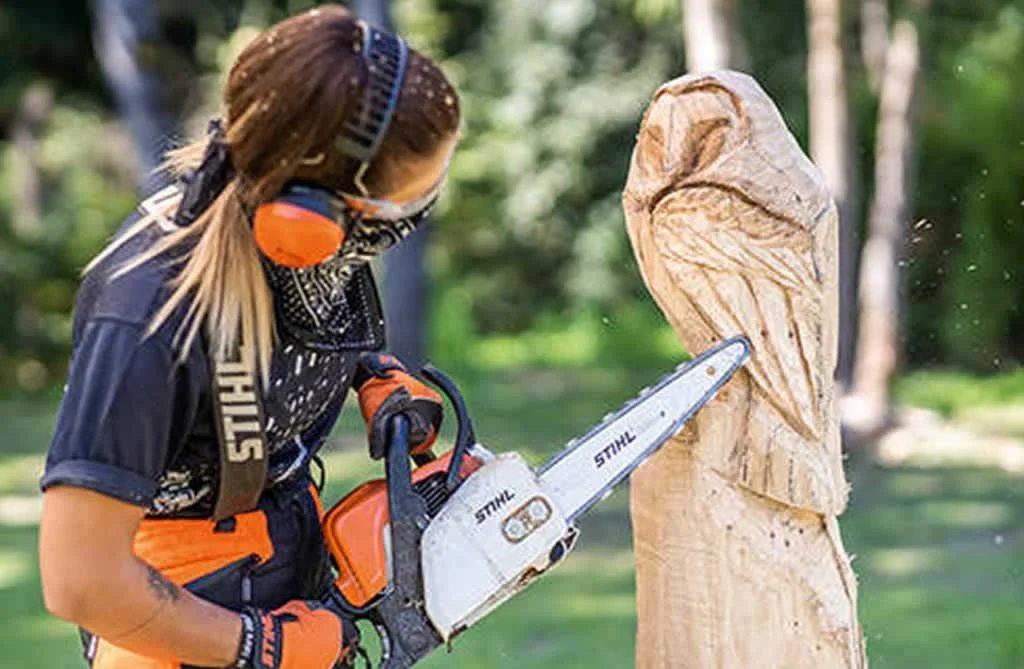
Drawing inspiration from renowned chainsaw carvers and their masterpieces can fuel your creativity and passion. One of the most famous chainsaw carvers is Ray Murphy, known for his intricate and lifelike animal sculptures. His work showcases the incredible detail and realism that can be achieved with a chainsaw. Murphy’s dedication to his craft and his ability to capture the essence of his subjects have earned him international acclaim.
Another influential artist is Griffon Ramsey, whose innovative approach to chainsaw carving has pushed the boundaries of the art form. Ramsey’s work often features pop culture references and whimsical themes, demonstrating the versatility of chainsaw carving. Her ability to blend technical skill with artistic vision has made her a prominent figure in the chainsaw carving community.
Japanese artist Keiji Kidokoro is also renowned for his extraordinary chainsaw carvings. His work often incorporates traditional Japanese motifs and contemporary elements, resulting in unique and captivating pieces. Kidokoro’s meticulous attention to detail and his ability to convey emotion through his carvings have earned him widespread recognition. Exploring the works of these and other talented artists can provide valuable insights and inspire your own creative journey.
Resources for Further Learning and Improvement
To continue developing your chainsaw carving skills, take advantage of various resources available to beginners. Online tutorials and instructional videos are excellent starting points. Websites like YouTube offer a wealth of content created by experienced carvers who share their techniques, tips, and project ideas. Watching these videos can provide visual guidance and help you understand the nuances of different carving methods.
Books and magazines dedicated to chainsaw carving are valuable resources for in-depth learning. They often include step-by-step guides, detailed illustrations, and expert advice. Some recommended titles include “Chainsaw Carving a Bear: A Complete Step-by-Step Guide” by Jamie Doeren and “The Art of Chainsaw Carving” by Jessie Groeschen. These publications cover various aspects of chainsaw carving, from basic techniques to advanced projects.
Joining a chainsaw carving community can also be immensely beneficial. Online forums, social media groups, and local clubs provide opportunities to connect with fellow carvers, share experiences, and seek advice. Participating in workshops and carving events allows for hands-on learning and direct interaction with experienced artists. These communities foster a supportive environment where you can continuously learn, improve, and find inspiration.
Conclusion and Encouragement for New Carvers
Embarking on the journey of chainsaw carving is a rewarding and fulfilling experience. As a beginner, mastering the essential basics will set a solid foundation for your artistic endeavors. Equip yourself with the right tools, prioritize safety, and understand the characteristics of different types of wood. Practice basic carving techniques and gradually take on more complex projects as your skills improve.
Don’t be discouraged by initial challenges or mistakes. Every carver, no matter how experienced, started as a beginner. Embrace the learning process and celebrate your progress, no matter how small. Draw inspiration from renowned artists, and continuously seek opportunities for growth through various resources and communities.
Chainsaw carving is not just a craft; it’s a form of artistic expression that allows you to transform raw wood into stunning masterpieces. With dedication, practice, and a passion for the art, you can create works that reflect your unique vision and creativity. So, pick up your chainsaw, stay safe, and enjoy the exhilarating journey of mastering chainsaw carving.